



Philippine President Calls for Removal of System Loss Charges, Pushes Further Simplification of Rooftop Solar Installation
Manila, July 27, 2026 - In his fifth State of the Nation Address (SONA), Philippine President Ferdinand Marcos Jr. laid out a series of major initiatives aimed at lowering household electricity costs and accelerating the adoption of residential solar power - sending a positive signal to the country's distributed solar market.
Call to Remove System Loss Charges from Household Bills
President Marcos stated clearly that system losses incurred in power transmission and distribution should not be borne by ordinary consumers. He urged Congress to immediately amend the 25-year-old Electric Power Industry Reform Act (EPIRA, Republic Act No. 9136) to prohibit distribution utilities from passing system loss charges - along with the corresponding value-added tax (VAT) - on to consumers.
Marcos noted that system loss is an inherent operating cost for power companies and should not be shifted onto ordinary Filipino households as an additional burden. The remarks sparked widespread discussion on social media in the Philippines, resonating strongly with the public amid the backdrop of the country recording the highest residential electricity rates in Southeast Asia this past June and electricity bills continuing to climb.
Championing the "Sariling Kuryente" Act to Simplify Rooftop Solar Installation
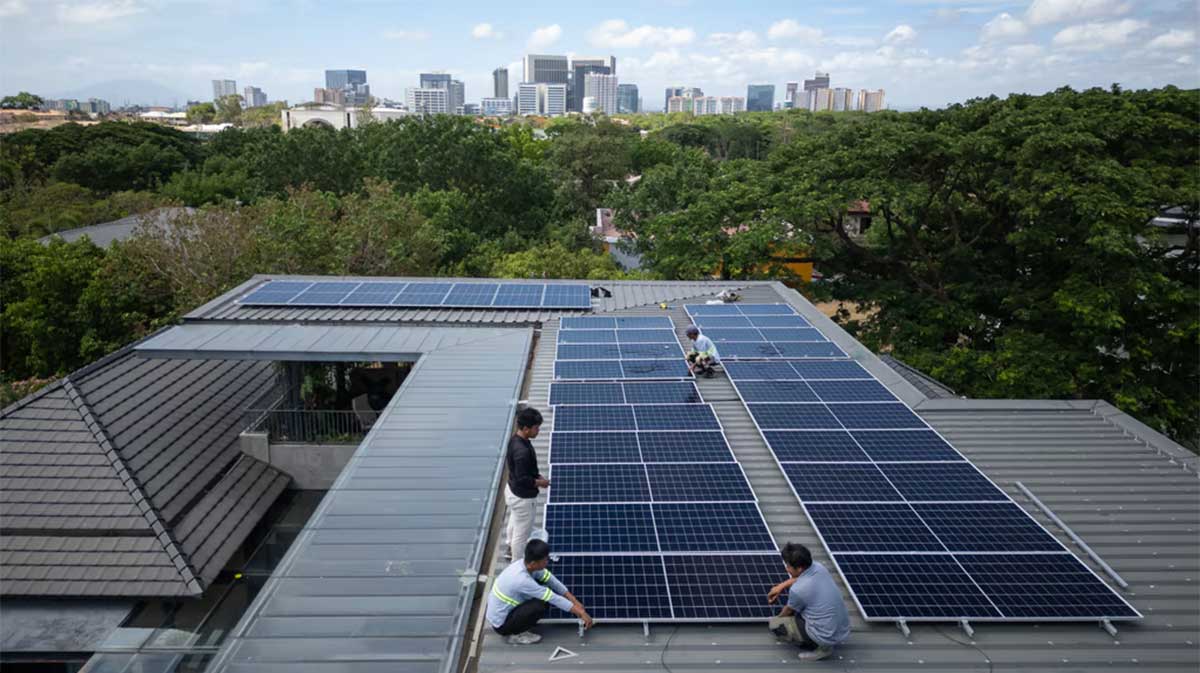
In addition to calling for the removal of system loss charges, Marcos also appealed to Congress to pass the proposed "Sariling Kuryente" Act (roughly, "Our Own Electricity" Act), which seeks to make the installation of rooftop solar panels and battery storage systems in Filipino homes simpler, easier, and more affordable.
He said the goal of the legislation is to substantially lower the barriers for households to install solar and battery storage systems, enabling more Filipino families to access the benefits of the clean energy transition - thereby easing the pressure of rising electricity bills and advancing self-sufficient power generation and lower electricity costs.
Continued Acceleration of Energy Transition
Marcos also revealed that the government is closely tracking around 200 energy projects scheduled for completion before the end of his term, with a combined capacity of nearly 10,000 megawatts. Of these, 45 projects have already been completed, 31 are expected to become operational this year, and another 124 are targeted for completion by 2028.
He attributed the accelerated rollout of these energy projects to policy and regulatory reforms that have encouraged greater local and foreign investment in the Philippine energy sector. He further noted that more than 60 new power plants powered by geothermal, solar, hydro, wind, and biomass energy have come online, with clean energy's share of the country's overall power mix steadily rising.
Industry Outlook
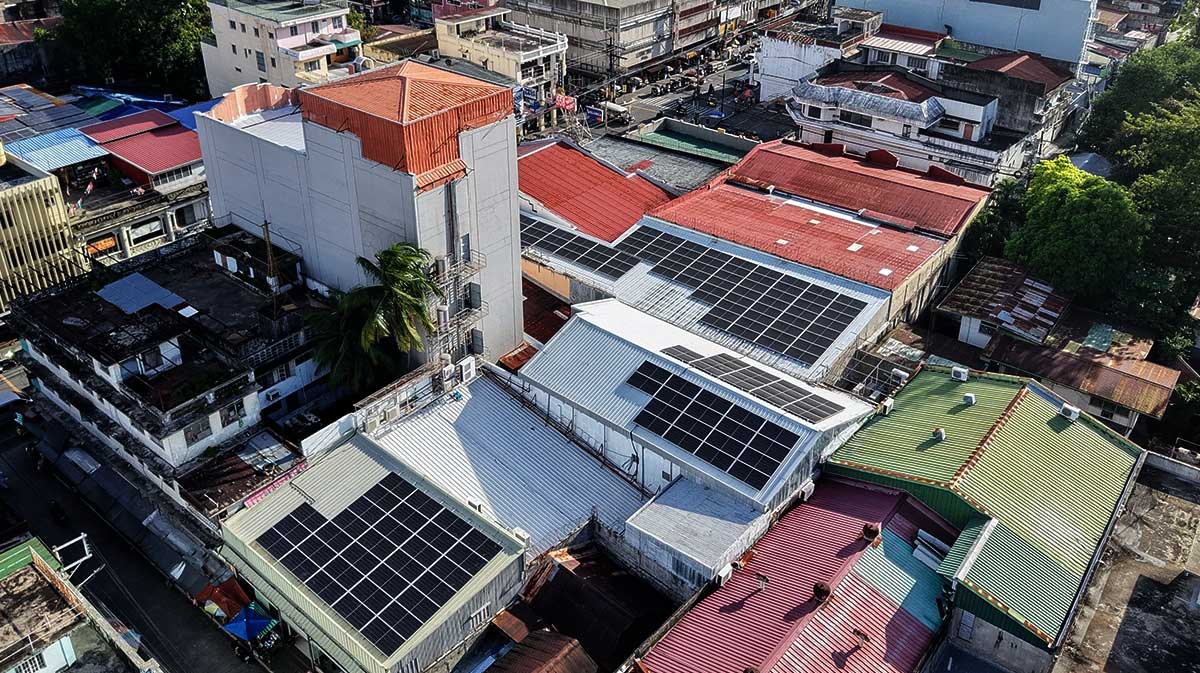
Industry analysts believe that if both the "Sariling Kuryente" Act and the EPIRA amendment are successfully passed by Congress, they would further reduce the cost and procedural complexity of installing rooftop solar and battery storage systems for Filipino households at the policy level. Combined with continuously rising residential electricity prices, this is expected to significantly boost demand for residential solar installations in the Philippines - creating new growth opportunities for solar and energy storage companies expanding in the Southeast Asian market.
This article is compiled from public reports related to Philippine President Ferdinand Marcos Jr.'s State of the Nation Address delivered on July 27, 2026, and is intended for industry reference only.