


Mono Solar Panel
Mono Solar Panel
Jingsun is a reliable and trustworthy supplier of mono solar panels, dedicated to providing top-quality products and exceptional customer service.
Their mono solar panels are made using advanced technology and the highest quality materials, ensuring superior performance and durability.
They are designed to withstand harsh weather conditions and can provide reliable power for many years to come.They are a great choice for anyone looking to invest in solar power for their home or business.

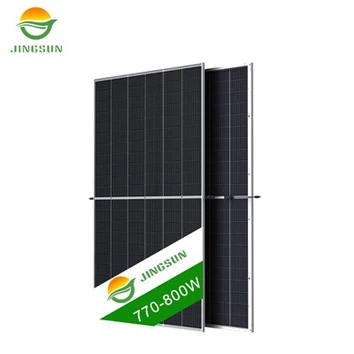
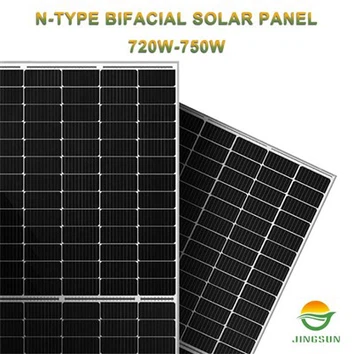
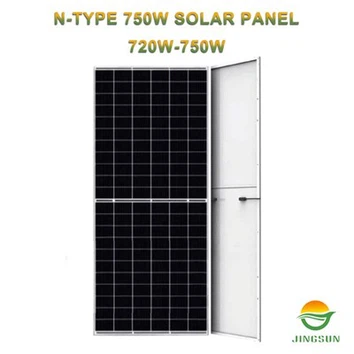
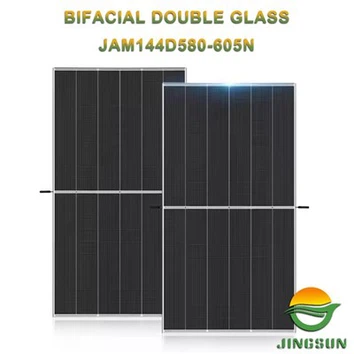
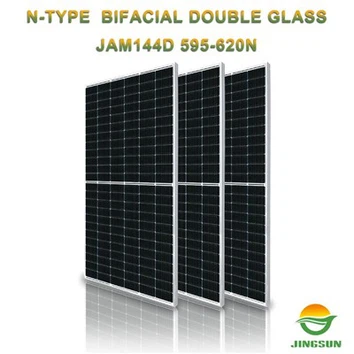

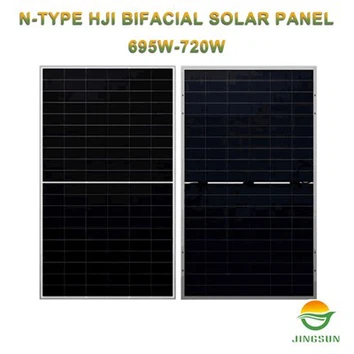
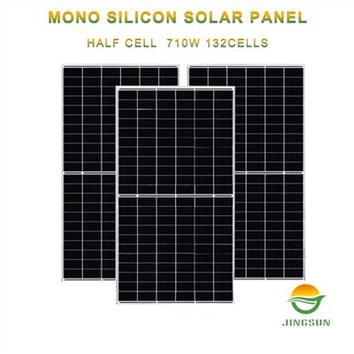
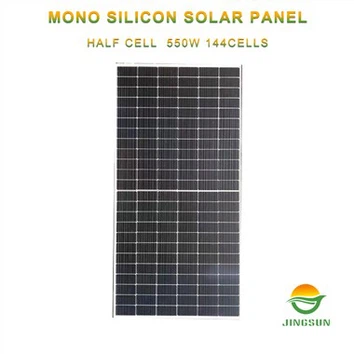
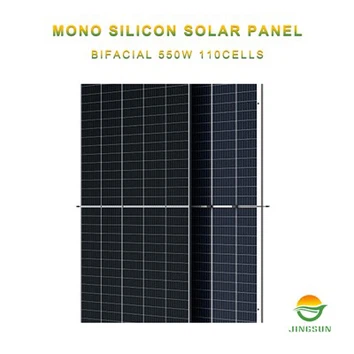
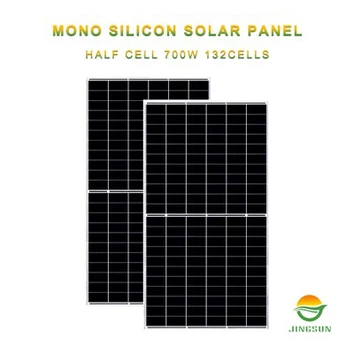
What Are Mono Solar Panels?
Mono solar panels, also known as monocrystalline solar panels, are one of the most popular types of solar panels on the market today. These panels are designed to capture sunlight and convert it into clean, renewable energy that can be used to power homes and businesses.
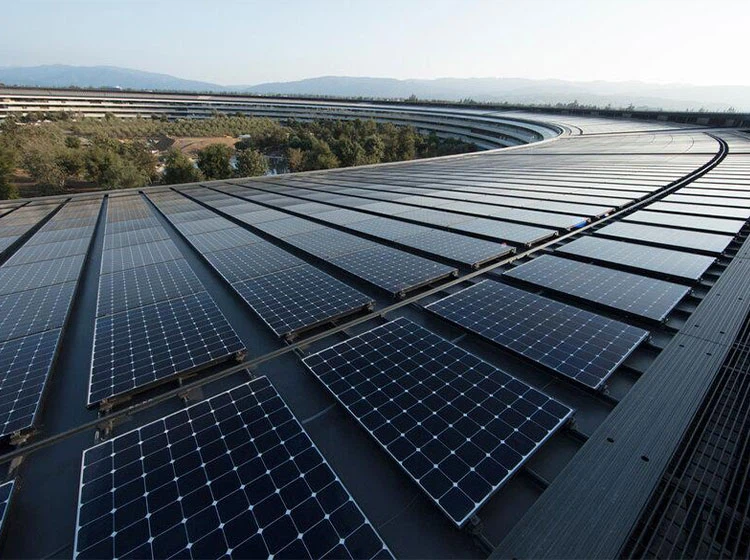
The main advantage of mono solar panels is their high efficiency. These panels are made from a single, high-purity silicon crystal, which allows for greater energy conversion rates compared to other types of solar panels. This means that they can generate more electricity per square foot of surface area, making them a great choice for those who have limited space on their property.
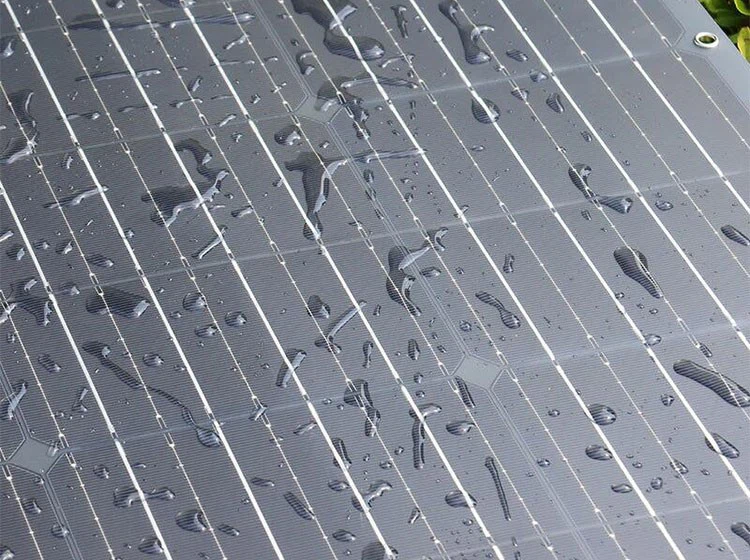
In addition to their high efficiency, mono solar panels are also durable and long-lasting. They are designed to withstand harsh weather conditions, including heavy rain, high winds, and extreme temperatures. This makes them a great investment for those who are looking to reduce their energy costs over the long term.
Another benefit of mono solar panels is their sleek, modern appearance. These panels have a uniform, black color and a seamless design, which makes them blend in seamlessly with a variety of architectural styles. They are also lightweight and easy to install, which means that homeowners and business owners can save money on installation costs.
What Are The Types Of Mono Solar Panel Technologies?
Here are four types of monocrystalline solar panel technologies that are gaining popularity today:
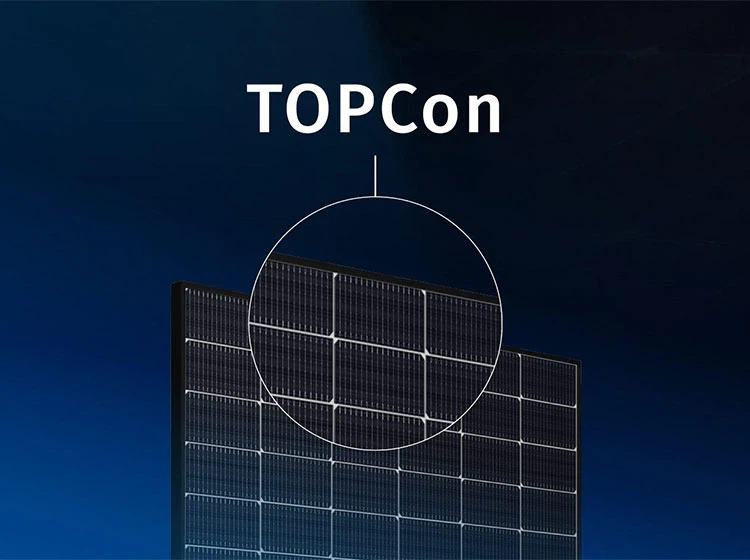
1. TOPCon Technology
TOPCon, or Tunnel Oxide Passivated Contact, technology is a newer type of mono solar panel technology that has been gaining popularity in recent years. It is a type of Passivated Emitter and Rear Cell (PERC) solar cell that utilizes a thin tunnel oxide layer to passivate the rear side of the solar cell.
This technology helps to increase the efficiency of the solar cell by reducing the amount of carrier recombination, and thereby improving the overall performance of the panel. TOPCon technology can achieve efficiencies of up to 25%, making it one of the most efficient solar panel technologies available in the market today.
2. HJT Technology
HJT, or Heterojunction Technology, is a type of mono solar panel technology that utilizes a combination of amorphous silicon and crystalline silicon to create a highly efficient solar cell.
In this technology, a thin layer of amorphous silicon is deposited on top of a crystalline silicon wafer, which helps to reduce energy losses by minimizing recombination at the interface between the two materials. The HJT technology can achieve efficiencies of up to 23% and is known for its high reliability and durability.
3. PERC Technology
PERC, or Passivated Emitter and Rear Cell, technology is one of the most common types of solar panel technologies currently available in the market. It is a highly efficient technology that utilizes a thin dielectric passivation layer to improve the efficiency of the solar cell.
The layer helps to reduce the amount of carrier recombination, thereby increasing the overall performance of the panel. PERC technology can achieve efficiencies of up to 22% and is known for its high reliability and cost-effectiveness.
4. SE Technology
SE, or Selective Emitter, technology is a type of mono solar panel technology that utilizes a highly reflective layer of aluminum on the rear surface of the solar cell.
The layer helps to increase the amount of light that is absorbed by the solar cell, thereby increasing the overall efficiency of the panel. SE technology is highly efficient, with efficiencies of up to 21%, and is known for its high reliability and durability.

5. IBC Technology
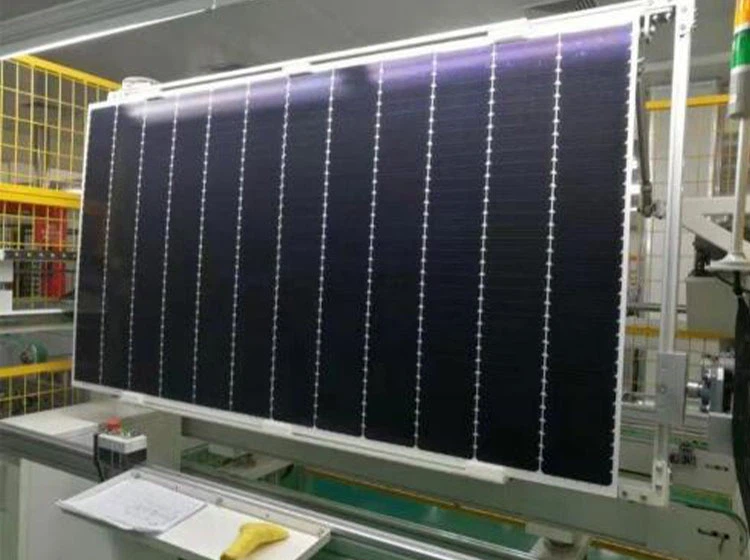
IBC, or Interdigitated Back Contact, technology is a highly efficient and innovative type of mono solar panel technology.
In this technology, the contacts and busbars are located on the rear of the solar cell, allowing for improved light transmittance and reduced shading losses. The IBC technology is highly efficient, with efficiencies of up to 23%, and is known for its high reliability and low partial shading effects.
6. Double-Glass Technology
Double-glass technology is a unique type of mono solar panel technology that utilizes two layers of glass instead of the traditional aluminum backsheet. The front glass is typically textured to maximize light absorption, while the back glass is made of transparent glass to allow for increased light transmittance.
This technology is highly reliable and has a longer lifespan than traditional solar panels. Double-glass technology can achieve efficiencies of up to 20% and is known for its high durability and resistance to harsh weather conditions.
What Are The Components Of Mono Solar Panels?
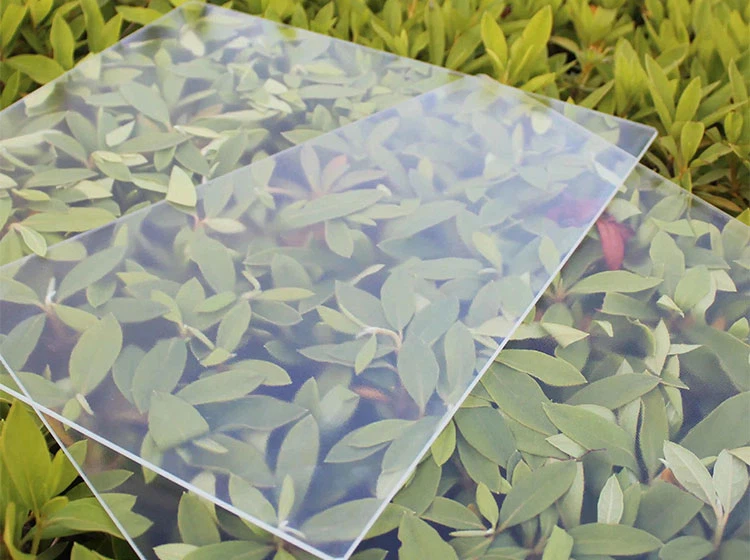
Tempered Glass:
This is the top layer of the panel that protects the solar cells from the elements and helps to absorb sunlight.
Tempered glass is used because it is strong enough to withstand extreme weather conditions and it is highly reflective, which allows for maximum sunlight absorption.
Solar Cells:
The solar cells are the heart of the panel and are responsible for converting sunlight into electricity.
Mono solar panels are made up of monocrystalline silicon cells, which are highly efficient at converting sunlight into electricity and are capable of producing high amounts of power even in low-light conditions.


EVA:
Ethylene-vinyl acetate (EVA) is a type of plastic that is used to encapsulate the solar cells and bond them to the tempered glass.
This material is used because it is strong and flexible, which allows it to withstand the hot temperatures and harsh weather conditions that solar panels are often exposed to.
Backsheet:
This is the bottom layer of the panel that protects the solar cells from moisture and other environmental factors.
The backsheets are made of a variety of materials, including polyester, fluoropolymer, and aluminum, and are designed to provide additional insulation and protection to the panel.
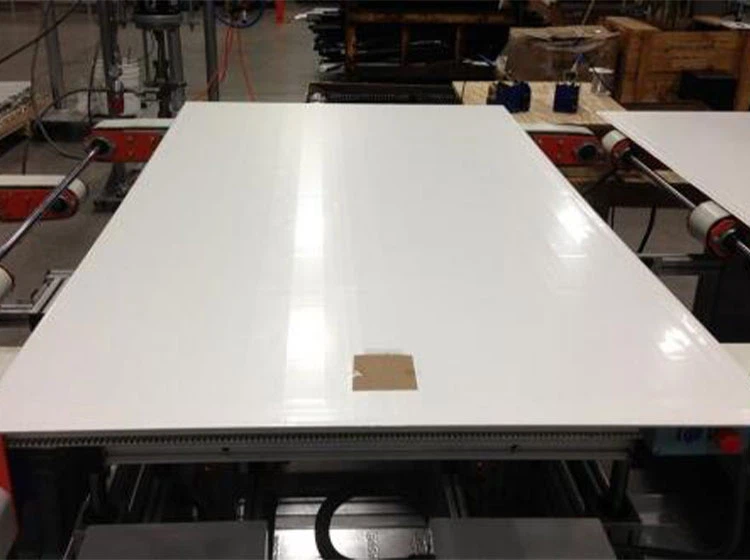
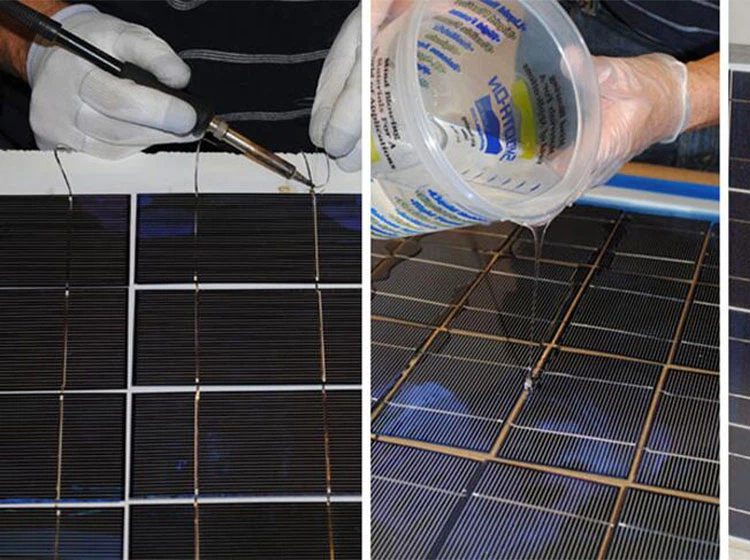
Encapsulant:
The encapsulant is a layer of material that is used to seal the solar cells and protect them from moisture and other environmental factors.
The encapsulant is typically made of EVA or similar materials and is applied to the solar cells before they are bonded to the tempered glass.
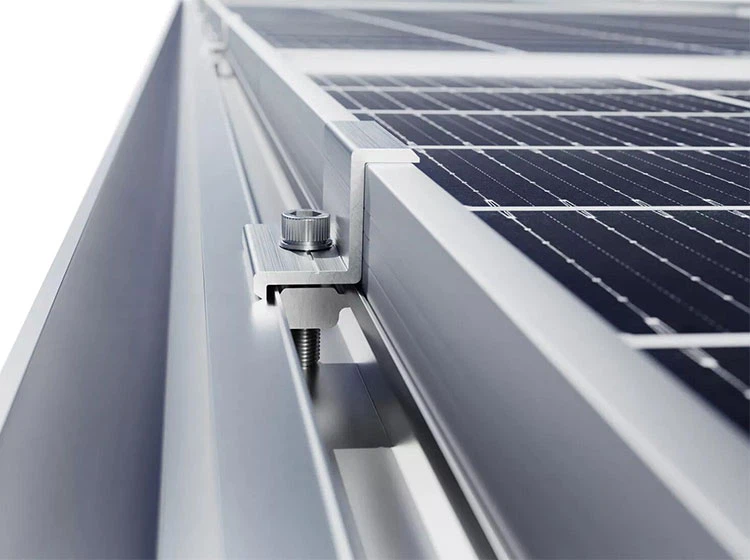
Aluminum Frame:
The aluminum frame is used to provide rigidity to the panel and to help protect it from damage.
The aluminum frame is typically coated with a weather-resistant finish, which helps to protect it from corrosion and other environmental factors.

MC4 Junction Box:
The MC4 junction box is the final component of the panel and is used to connect the panel to other solar panels and to the wiring that carries the electricity generated by the panel.
The MC4 junction box is typically located on the back of the panel and is designed to be waterproof and weather-resistant.
Mono Solar Panel Production Process
Step 1: Silicon Ingot Production
The first step in the production process is to produce high-purity silicon ingots. Silicon is extracted from sand and then purified and melted to form ingots. The quality of the ingots is crucial since it determines the efficiency and lifetime of the solar panel.
Step 2: Silicon Wafer Production
Once the ingots are produced, they are sliced into thin silicon wafers using a wire saw. The wafers are generally 0.2-0.3 mm thick and are then polished to give them a smooth surface.
Step 3: Solar Cells Production
The wafers are then cleaned, and a layer of phosphorous is added to one side whilst the other side is diffused with boron. This forms the positive and negative contact points that will allow the solar cells to release electrons when exposed to sunlight. Once the necessary elements are added, the solar cells are then dried and baked in an oven.
Step 4: Solar Panel Assembly
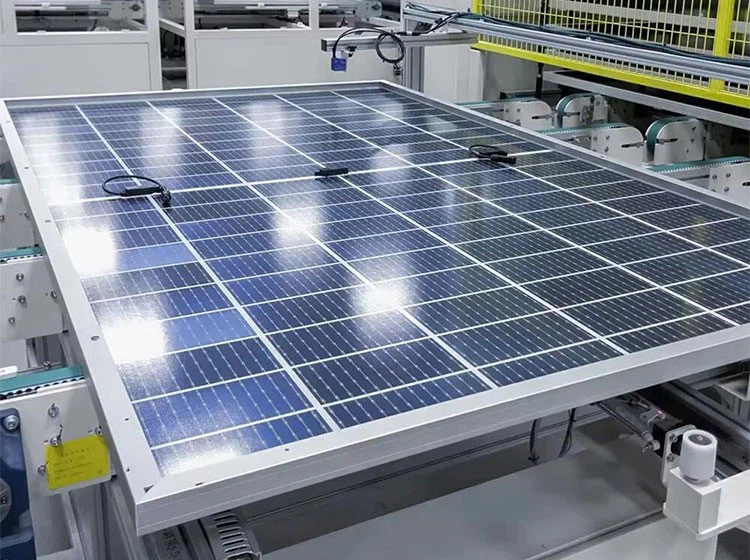
The solar cell fabrication process is completed by assembling the individual solar cells into a module. EVA (ethylene vinyl acetate) sheets are used to keep the cells together, and the module's protective glass cover is applied on top with an adhesive.
Step 5: Solar Panel Testing
Once the panels are completed, they go through rigorous testing to make sure they meet the required standards and specifications. Tests are conducted to ensure the output, efficiency, and durability of each panel.
Step 6: Solar Panel Packaging
After completion of testing and quality control, the monocrystalline solar panels are packaged according to the specified requirements. They are then shipped to distributors, retailers, and eventually, to customers.
Why Choose Our Mono Solar Panels?
1. High Efficiency:
Jingsun mono solar panels offer high efficiency, meaning they can produce more electricity using less space than other types of solar panels. The efficiency rate of Jingsun mono solar panels is greater than 22%, meaning more than 22% of the sunlight that hits the panel is converted into electricity.
2. High Durability:
Jingsun mono solar panels are made of high-quality materials that are designed to withstand harsh weather conditions. The panels are made with tempered glass that can resist hail, strong winds, and heavy snow loads. In addition, the panels are made with a corrosion-resistant aluminum frame that is built to last.
3. Low-light Performance:
Jingsun mono solar panels can generate electricity even in low-light conditions. This is due to the high-quality cells used in the panels, which are engineered to capture a wide range of light frequencies.
4. Low Temperature Coefficient:
Jingsun mono solar panels have a low temperature coefficient, meaning they are able to maintain their efficiency even in hot weather conditions. This is an important advantage in areas with high temperatures, as poorly performing solar panels can lead to significant reductions in overall energy production.
5. High Resistance to PID:
Potential Induced Degradation (PID) is a phenomenon that can cause energy losses in solar panels. Jingsun mono solar panels are resistant to PID, meaning they are able to maintain high levels of energy production over time.
6. Long Lifespan:
Jingsun mono solar panels are built to last for up to 25 years or more. This long lifespan means that the panels are a cost-effective investment, as they can continue to generate energy for many years without needing to be replaced.
7. Easy Installation:
Jingsun mono solar panels are designed to be easy to install. The panels are lightweight and can be easily mounted on a variety of surfaces, including roofs, walls, and ground mounts.
8. Eco-friendly:
Jingsun mono solar panels are an environmentally friendly energy solution. They generate clean, renewable energy that does not produce greenhouse gas emissions or air pollution.
9. Cost-effective:
Jingsun mono solar panels represent a cost-effective energy solution. They have a low cost per watt and can be installed quickly and efficiently, making them an attractive option for homeowners, businesses, and governments.
10. Reliable Performance:
Jingsun mono solar panels are known for their reliable performance. The panels are manufactured to high standards, ensuring they deliver consistent energy production and meet or exceed industry standards for safety and quality.
FAQ
1. What is Jingsun Mono Solar Panel and how does it work?
2. What is the efficiency rate of Jingsun Mono Solar Panel?
3. How long does Jingsun Mono Solar Panel last?
4. How much energy can Jingsun Mono Solar Panel generate?
5. Can Jingsun Mono Solar Panel be installed on any type of roof?
6. What is the maintenance required for Jingsun Mono Solar Panel?
7. How much does Jingsun Mono Solar Panel cost?
8. Are there any government incentives or rebates for purchasing Jingsun Mono Solar Panel?
9. Does Jingsun Mono Solar Panel work in cloudy weather?
10. Can Jingsun Mono Solar Panel be used as a backup power source during power outages?
11. Can Jingsun Mono Solar Panel be used in remote areas?
12. Is Jingsun Mono Solar Panel environmentally friendly?
13. Can Jingsun Mono Solar Panel be installed on the ground?
14. How long does the installation of Jingsun Mono Solar Panel take?
15. Does Jingsun Mono Solar Panel require a lot of space for installation?
16. Can Jingsun Mono Solar Panel be integrated with other energy systems?
17. What is the warranty on Jingsun Mono Solar Panel?
18. Who can install Jingsun Mono Solar Panel?
19. How can I ensure that Jingsun Mono Solar Panel is properly maintained?
20. How to buy Jingsun Mono solar panels?
As one of the most professional mono solar panel manufacturers and suppliers in China, we're featured by good service and competitive price. Please rest assured to buy or wholesale high quality mono solar panel made in China here from our factory.
trina tallmax 450w, 710 solar panel, canadian solar 480w