



Tajikistan Waives VAT on Solar Equipment Through 2031: What Households, Importers, and Installers Should Do Now
On December 15, 2025, the Majlisi Milli - the upper house of Tajikistan's parliament - approved amendments to the country's Tax Code that exempt renewable energy equipment from value-added tax (VAT) until January 1, 2031. The lower house, the Majlisi Namoyandagon, had already passed the draft three days earlier, on December 12, completing the legislative process.
For anyone tracking the solar market in Central Asia, this is not a headline to skim past. Tajikistan's standard VAT rate is 14%. Removing that layer from solar panels, inverters, battery storage systems, and their components translates into a real, measurable drop in end-user prices - and that shift touches every link in the supply chain, from the port of entry to the rooftop.
What the Amendment Actually Says
The changes modify two specific articles of the Tax Code.
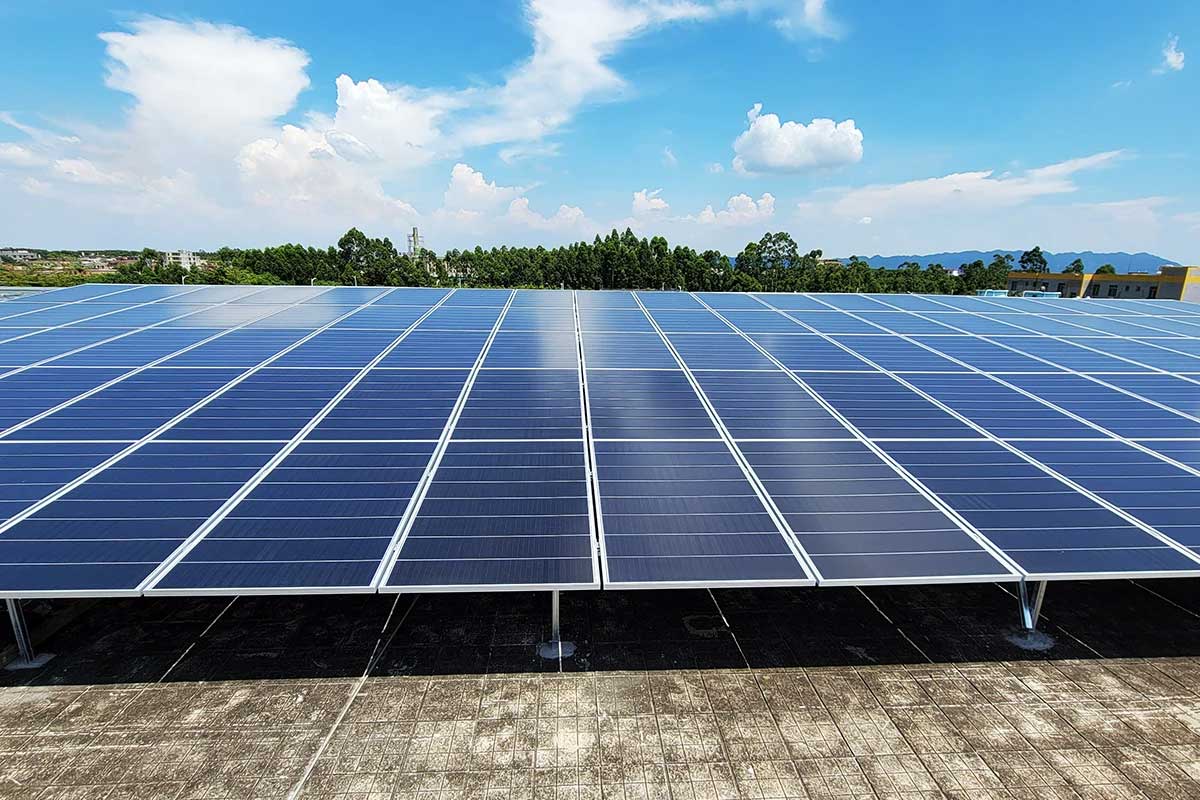
The first is a new provision under Part 10 of Article 251: the import and subsequent supply (i.e., domestic sale) of renewable energy generation equipment is now exempt from VAT. This covers solar panels, inverters, energy storage devices such as batteries, and their related spare parts and components. The expiration date - January 1, 2031 - is written into Article 397.
The second is an amendment to Part 1 of Article 347, which grants a property tax benefit for buildings or other real estate equipped with solar panels, provided the installed capacity reaches at least 0.1 MW (100 kW). Coverage of the exact duration of this property tax benefit varies slightly across local news outlets, so businesses planning large installations should confirm the precise terms with Tajikistan's tax authority before finalizing project economics. What's clear is the direction: qualifying commercial-scale solar projects get a meaningful break on property tax, not just VAT.
The government's motivation isn't hard to read. Tajikistan's winters routinely strain a power grid that leans heavily on hydropower, and supply gets tight whenever water levels drop. At the same time, the country has substantial untapped solar potential. Lowering the tax barrier on solar equipment is a direct way to ease winter electricity shortages while supporting the goals laid out in the 2026–2030 Power Sector Development Plan. Notably, homeowners don't need a special permit to install solar panels on residential property, which clears the way for the household market to grow quickly.
Why Now - Not Later
The exemption runs through January 1, 2031, which might tempt some buyers to wait. That would likely be a mistake, for reasons that have nothing to do with speculation about the policy itself and everything to do with how markets like this tend to behave.
Tax incentives of this kind are, by nature, time-bound instruments, and time-bound instruments create their own pressure points as the deadline approaches. As awareness of the exemption spreads - and it will, given how directly it cuts prices - demand for panels, inverters, and installation crews tends to concentrate rather than spread evenly across the remaining years. Buyers who move early get their pick of suppliers, installers, and inventory. Buyers who wait until 2029 or 2030 are more likely to run into backlogged installation queues, tighter grid-connection scheduling, and possibly higher equipment prices if global supply chains tighten in the meantime.
There's also a simpler argument: every month a system isn't installed is a month of electricity costs that didn't need to be paid. The savings from switching to solar compound over time, so the earlier a household or business locks in the exemption-era price and starts generating its own power, the sooner the investment pays for itself.
None of this means the policy is at risk of being cut short - there is no indication from any official source that it will be. But a fixed 2031 deadline, combined with the practical reality of rising demand and limited installation capacity, is itself a strong reason to act sooner rather than later.
For Households: Is It Time to Go Solar?
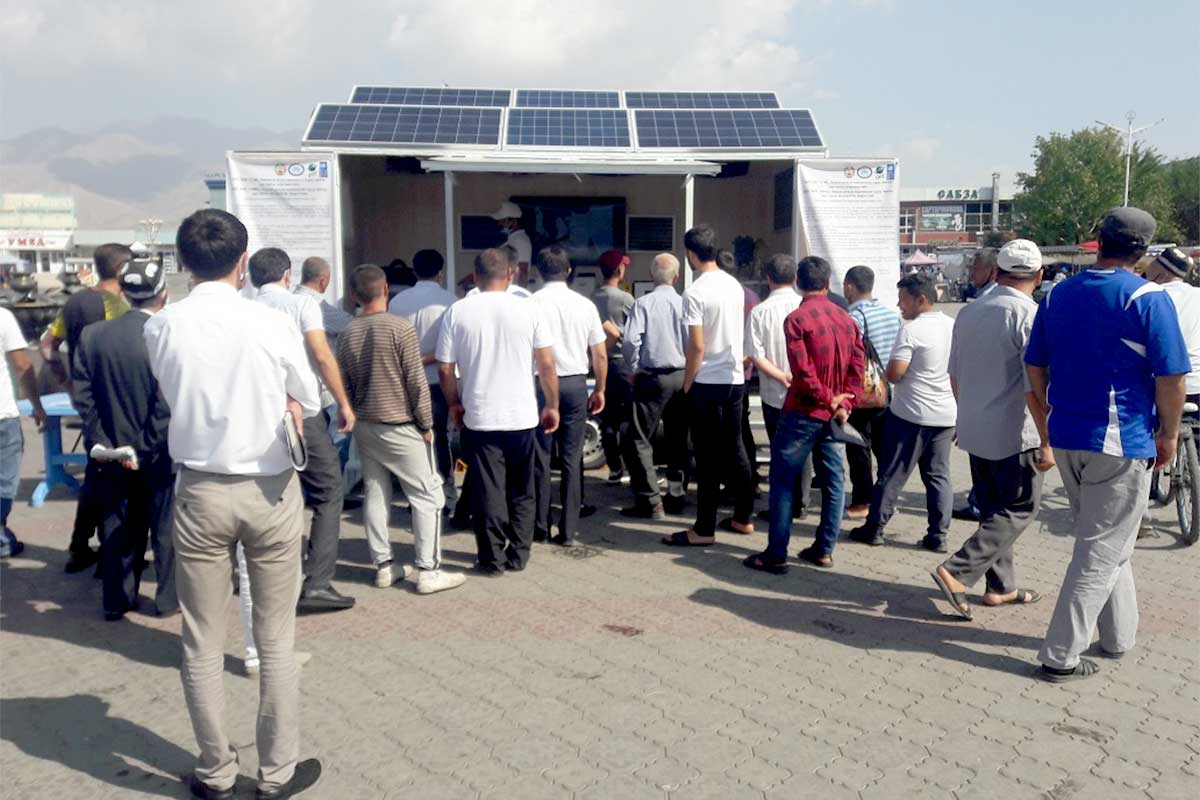
For Tajik families, the most direct effect of this policy is a lower installation cost. Previously, the 14% VAT was an unavoidable part of the price tag on any solar setup. Now that cost has been stripped out at both the import and sales stages.
A few practical steps for households considering the switch:
Shop around and stick to licensed vendors. Once the exemption becomes widely known, expect a wave of new suppliers and installation crews entering the market, with uneven quality and pricing. Choosing vendors with proper business licensing and the ability to issue formal receipts protects both the quality of the equipment and confirms that the tax-exempt pricing is actually being passed through - rather than pocketed by a middleman.
Size the system to actual household needs. Even with the tax removed, installing a solar system is still a meaningful upfront investment. It's worth calculating daily electricity usage, roof orientation, and available space before committing to a system size, rather than over-buying because prices look attractive.
Watch for local implementation details. The national tax amendment is now in effect, but operational specifics - grid connection procedures, subsidy applications, installation standards - may still be rolled out by regional authorities or utility companies. Checking with the local power authority or a reputable installer before signing anything is worth the extra step.
For Importers: Turning the Exemption Into Real Margin
For equipment importers, the core benefit is straightforward: VAT no longer applies to the import of solar panels, inverters, storage systems, and their components.
A few things importers should think through carefully.
VAT and customs duties are separate matters. This amendment's core provision addresses VAT specifically. Some reports have suggested solar equipment imports might also benefit from reduced or zero customs duties, but that is not an explicit part of this Tax Code amendment. Importers should keep these two tax lines separate in their cost calculations and confirm actual duty rates directly with Tajikistan's customs authority or a local customs broker - duty relief should not be assumed just because VAT has been waived.
Get tax filing procedures sorted early. VAT exemption doesn't mean the reporting obligation disappears. Importers should work with local accountants or tax advisors early to confirm exactly how exempt transactions need to be documented and filed, to avoid customs delays or compliance issues down the line.
Plan supply chains and warehousing ahead of demand. Once the exemption is widely known, demand from households and small commercial buyers is likely to surge. Importers who lock in upstream supplier capacity and local warehousing and logistics early will be better positioned than competitors scrambling to catch up.
Invest in product certification and after-sales support. As the market grows, scrutiny of equipment quality is likely to increase as well. Building out proper certification, warranty terms, and service networks now pays off more in the long run than chasing short-term volume alone.
For Installers: Capturing Market Growth Early
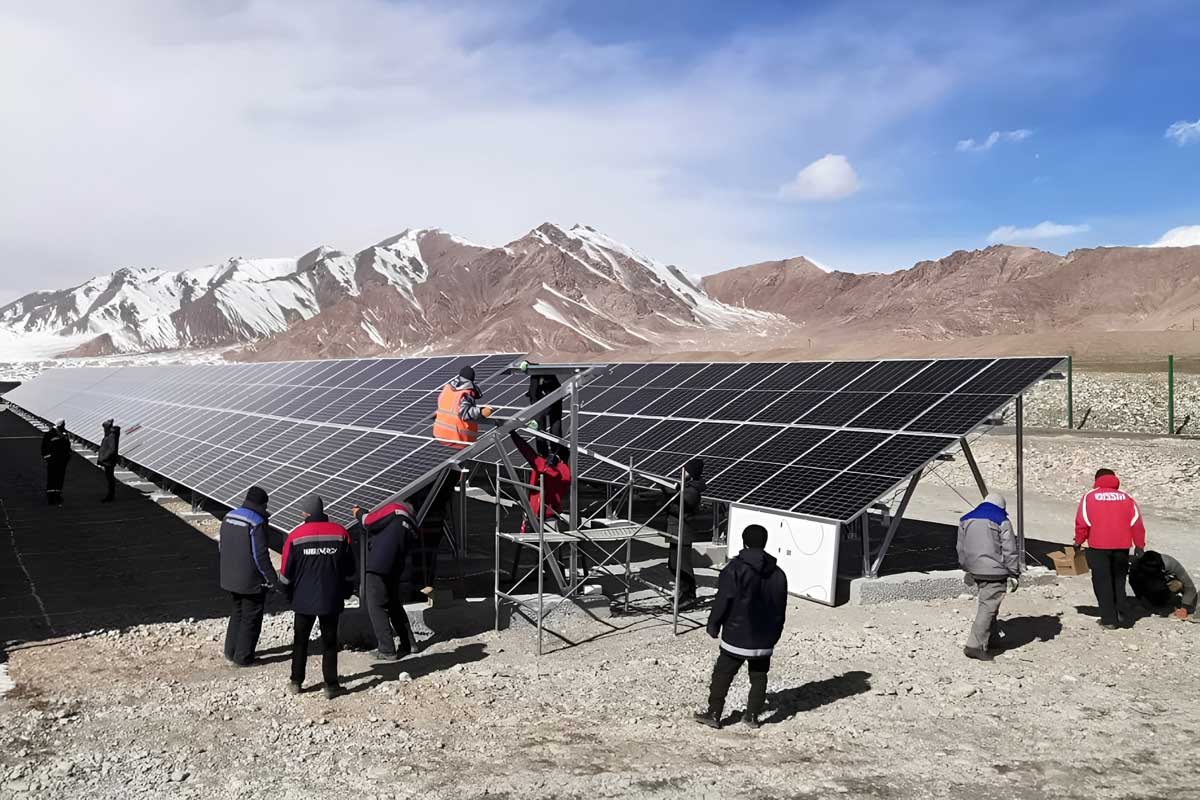
For local solar installation companies, this policy likely means a meaningful jump in end-user demand - particularly for commercial and industrial projects large enough to hit the 0.1 MW threshold and qualify for the property tax benefit.
A few directions worth considering:
Build differentiated offerings for different customer segments. Households mostly care about upfront cost and payback period. Commercial clients care more about hitting the 0.1 MW capacity threshold to qualify for the property tax break. Installers who understand both sets of priorities early will have a real edge in proposals and pricing.
Strengthen technical teams and installation standards. Periods of rapid market growth also tend to attract inconsistent quality across the industry. Installation quality, grid-connection compliance, and after-sales responsiveness will be what separates installers who build lasting businesses from those who don't. Benchmarking against internationally recognized solar installation standards now is worth the investment.
Partner directly with licensed importers and financing providers. Installers who build reliable supply relationships with reputable equipment importers - and can connect customers with installment plans or green financing - can offer a combined "equipment + installation + financing" package that's harder for smaller competitors to match.
Stay alert to follow-on regulations. This Tax Code amendment sets the overall direction, but grid-connection standards, subsidy details, and industry licensing requirements may still be refined by relevant authorities. Installers should keep monitoring these developments and adjust their business models accordingly.
The Bottom Line
Tajikistan's VAT exemption is well-defined in scope and duration, and it's a genuine tailwind for the entire solar value chain - importers, retailers, and installers alike. But the gap between a policy on paper and its execution on the ground is often real. Whether you're a household, an importer, or an installer, it's worth confirming details directly against official documentation from Tajikistan's tax and customs authorities, and consulting local tax or legal advisors before making major decisions.
This article is based on Tajikistan's Tax Code amendments passed by parliament in December 2025 and related public reporting. Please refer to the latest official documentation from Tajik authorities for specific implementation details.