


The Price Gap Between N-Type And P-Type Solar Panels Continues To Widen
In recent years, as more and more economies around the world adopt clean energy and begin to transition to solar energy, the solar energy industry has attracted increasing attention. Solar panels are the backbone of the solar power industry, so the price of solar panels plays a vital role in the growth and development of the industry.
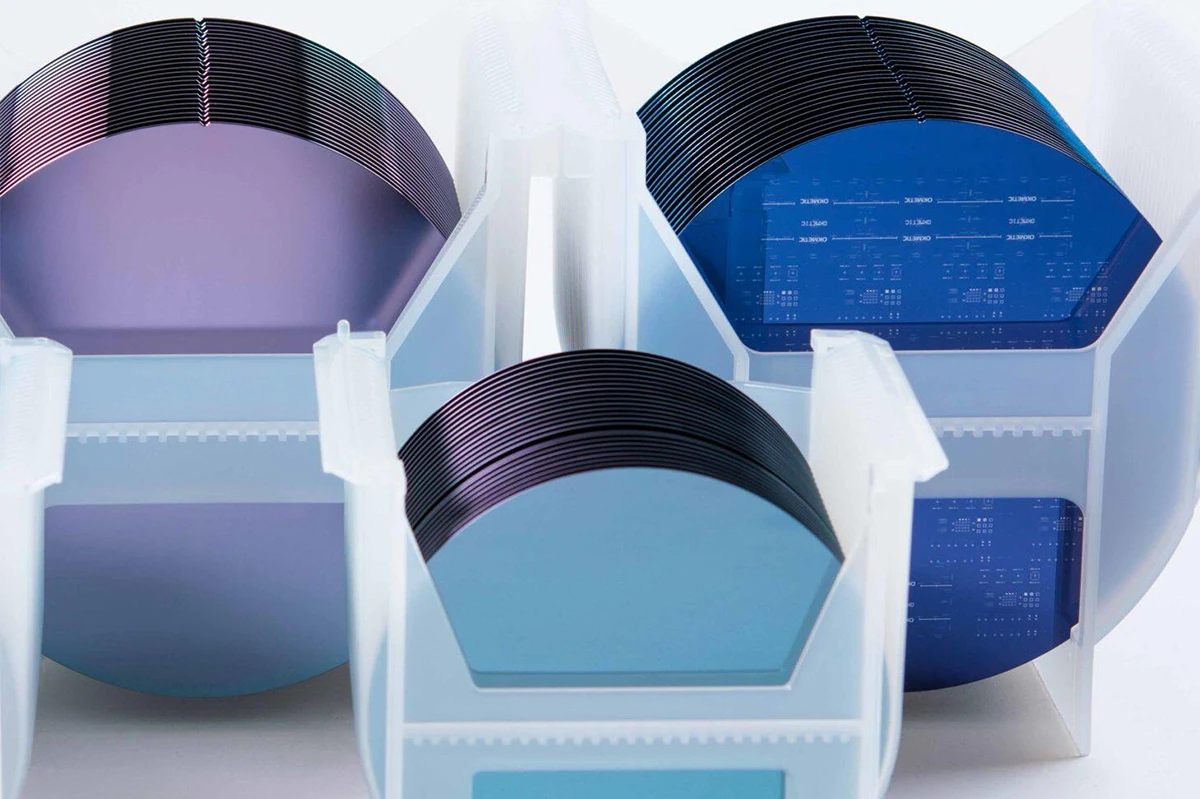
One of the key components of a solar panel is the silicon wafer or silicon crystal, which makes up the bulk of the solar panel. There are two types of silicon wafers: N-type and P-type. N-type wafers are more expensive than P-type wafers, and the gap between the two has widened in recent months.

The reason for the widening spread is the continued rise in the price of silicon, the raw material used to make silicon wafers. Due to tight market supply, silicon material prices have risen steadily. The supply of N-type silicon materials has been stable, but demand has grown faster than supply, causing its price to rise.
On the other hand, P-type silicon material is in sufficient supply, but the demand is not as high as N-type silicon material. Therefore, P-type silicon material manufacturers adopt a mixed sales strategy and sell N-type silicon wafers and P-type silicon wafers together, resulting in a slight increase in the price of P-type silicon wafers.
At the downstream end of the industry, solar panel manufacturers have also maintained high production capacity. Coupled with Spring Festival stocking factors, the overall demand for silicon wafers has increased. This trend has resulted in continued price increases for N-type and P-type wafers.
International Energy Network learned that on January 24, the Silicon Industry Branch announced the latest silicon wafer prices. This week's n-type silicon material transaction price range was USD9,772-10,190.8 per ton, with an average price of USD9,897.64 per ton, rising month-on-month. 1.87%; the transaction price range of single crystal dense materials was USD7,678-8,934.4 per ton, with an average price of USD8,180.56 per ton, an increase of 0.17% month-on-month; the transaction price range of n-type granular silicon was USD8,236.4-8,794.8 per ton, with an average price of USD8,236.4-8,794.8 per ton. The price was USD8,376 per ton, an increase of 1.69% from the previous month.
The rising cost of silicon wafers may seem like a setback for the solar industry, but it must be remembered that in the long run, growth in the industry can offset rising raw material costs. The use of solar panels in different sectors such as residential, commercial and industrial has been increasing rapidly, leading to increased demand for solar panels, ultimately driving job creation and economic growth.