


Types of Solar Inverters
Solar inverters convert the solar energy collected by solar panels into usable electricity. There are different types of solar inverters available in the market that serve various purposes. In this article, we will discuss the main categories of solar inverters and compare their features. Additionally, we will provide an in-depth guide on how to use a solar inverter.
Types of Solar Inverters
1. String Inverter

The string inverter is one of the most popular types of solar inverters and is suitable for residential or commercial settings. It takes the electricity generated by a string of solar panels and converts it into usable AC electricity for the grid. One of the disadvantages of the string inverter is that it is affected by shading, which can reduce the output of the solar energy.
2. Micro Inverter

Microinverters are a new type of solar inverter that allows for the maximum conversion of solar energy into electricity. They are installed on each solar panel and convert DC electricity into AC electricity. This makes them ideal for solar panel installations that experience partial shading, as each panel can operate independently of the others.
3. Hybrid Inverter
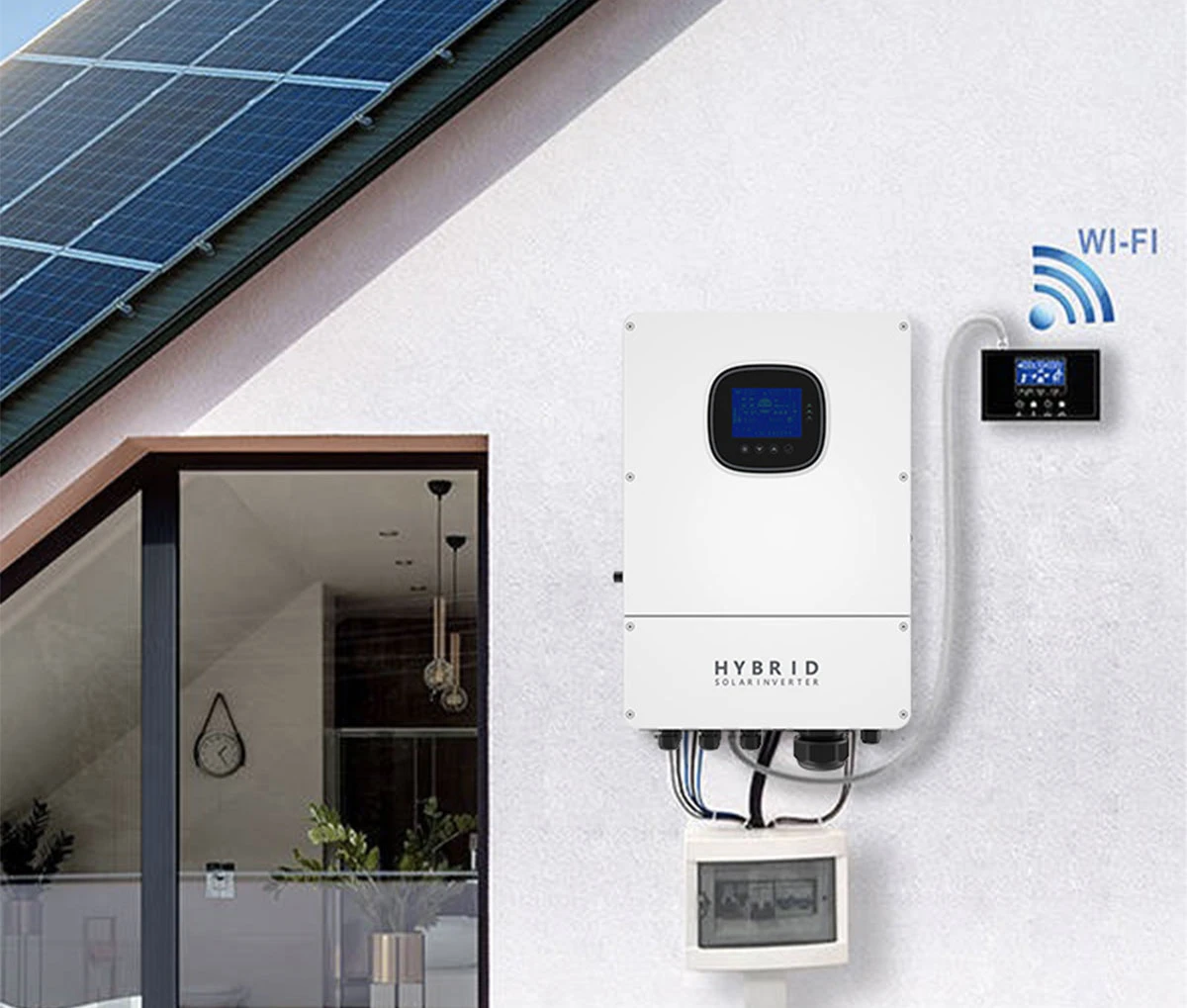
A Hybrid inverter is a type of solar inverter that is used with a battery storage system. It can switch between grid and battery power, depending on the availability of solar energy. This makes it ideal for areas where the grid is unreliable or where power outages are frequent.
4. Central Inverter

A central inverter is used on large commercial solar panel installations. It is designed to handle large amounts of power from multiple solar panels. The central inverter uses the same method as the string inverter, converting DC electricity into AC electricity for the grid.
Comparison of Solar Inverters
The table below compares the different types of solar inverters based on their features.
|
Types of Solar Inverters |
Efficiency |
Cost |
Durability |
Installation |
Suitable For |
|
String Inverter |
High |
Low |
Average |
Easy |
Residential / Commercial |
|
Micro Inverter |
Very High |
High |
High |
Difficult |
Residential / Commercial |
|
Hybrid Inverter |
High |
High |
High |
Average |
Residential / Commercial with Battery Storage System |
|
Central Inverter |
Average |
High |
High |
Difficult |
Large Commercial Installations |
Using a Solar Inverter
The following steps outline how to use a solar inverter in a residential or commercial setting.
Step 1: Install the Solar Panels
The first step in using a solar inverter is to install solar panels on the roof of your home or commercial building. The solar panels should be placed in a location that receives direct sunlight for the majority of the day.
Step 2: Install the Inverter
Next, install the solar inverter in a location that is easy to access and away from direct sunlight. The inverter should be installed close to the solar panels to minimize the DC voltage loss.
Step 3: Connect the Inverter to the Solar Panels
Connect the solar panels to the inverter by following the manufacturer's guidelines. Make sure that all connections are secure and that there is no risk of any electric shock.
Step 4: Connect the Inverter to the Grid
Connect the inverter to the electrical grid by following the manufacturer's guidelines. This will enable you to export any excess electricity generated by the solar panels back to the grid.
Step 5: Test the Solar Inverter
Test the solar inverter by turning the system on and checking that it is converting the solar energy into electricity correctly. You should also check that the inverter is communicating with the grid and the solar panels.
Conclusion
Solar inverters are an essential component of solar panel installations. Choosing the right type of solar inverter depends on several factors, such as the size of the solar panel installation, location, shading, and your budget. Follow the manufacturer's guidelines and the steps outlined in this article to ensure that your solar inverter is installed correctly and is working efficiently. With the use of solar inverters, we can harness the power of the sun in an environmentally friendly and cost-effective way.