


Solar energy storage systems are becoming increasingly popular as solar energy is becoming a viable alternative to traditional energy sources. Solar energy systems are eco-friendly, cost-efficient, and have the potential to power homes and businesses without relying on non-renewable energy sources. A solar energy storage system works by storing surplus energy produced by solar panels during daylight hours for use at night or during periods of low sunlight. This article will provide insight into the working process of a solar energy storage system.
System Composition
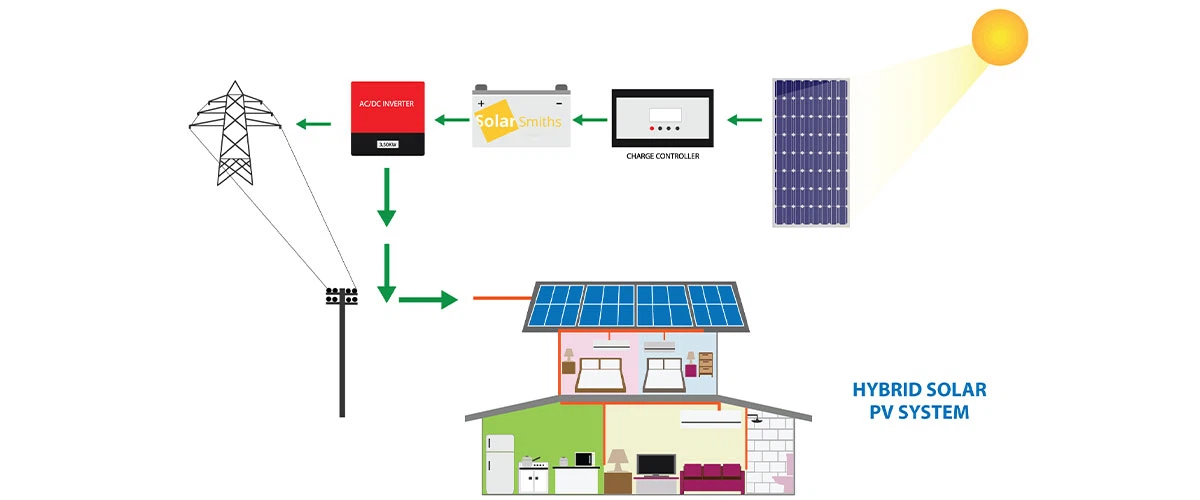
A solar energy storage system consists of four main components: solar panels, an inverter, a battery bank, and a charge controller. The solar panels are used to absorb sunlight and convert it into electricity, which is then sent to the inverter. The inverter is responsible for converting the DC current from the solar panels into AC current, which is suitable for use in homes and businesses. The battery bank stores the surplus energy produced by the solar panels, and the charge controller manages the flow of energy from the solar panels to the batteries.
Working Workflow
The solar panels absorb sunlight and convert it into DC current. The DC current is then sent to the inverter, which converts it into AC current. The AC current is then used to power homes and businesses. When the solar panels produce more energy than is needed, the surplus energy is sent to the battery bank for storage. The charge controller manages the flow of energy from the solar panels to the batteries, ensuring that the batteries are charged efficiently and not overloaded.
During periods of low sunlight, when the solar panels are not producing enough energy to meet the demands of homes and businesses, the battery bank is used to power the load. The energy stored in the batteries is converted back into AC current by the inverter and used to power homes and businesses. The charge controller ensures that the batteries are not drained too quickly, preventing damage to the batteries.
The battery bank typically consists of lead-acid batteries, which have a lifespan of around five to eight years. Lithium-ion batteries have a longer lifespan of up to 15 years, but they are more expensive. The charge controller is responsible for ensuring that the batteries are not overcharged, preventing damage and prolonging their lifespan.
The efficiency of a solar energy storage system depends on several factors, including the size of the battery bank, the efficiency of the inverter, and the amount of sunlight available. The size of the battery bank and the efficiency of the inverter determine the amount of energy that can be stored and converted into AC current. The amount of sunlight available determines the amount of energy that can be produced by the solar panels.
Conclusion
Solar energy storage systems are an eco-friendly and cost-efficient alternative to traditional energy sources. A solar energy storage system works by storing surplus energy produced by solar panels during daylight hours for use at night or during periods of low sunlight. The system consists of four main components: solar panels, an inverter, a battery bank, and a charge controller. The efficiency of a solar energy storage system depends on several factors, including the size of the battery bank, the efficiency of the inverter, and the amount of sunlight available.