


Still Sourcing 300W Polycrystalline Solar Panels in 2026?
A few straight-talking words from someone who has been in this industry for years
Over the past several months, I have been receiving a steady stream of procurement inquiries from buyers in Africa, Central Asia, and Southeast Asia - nearly all of them asking the same thing: 300W polycrystalline solar modules, roughly 3 MWp in total, can you supply?
Every time I see one of these inquiries, I find myself in a difficult position. It is not that I do not want the business. It is that I have to tell you something you may not want to hear:
300W polycrystalline modules have been permanently discontinued across the entire Chinese solar manufacturing industry. This is not a stock shortage - the product line has been retired for good.
Why Are 300W Poly Panels Completely Gone in 2026?
The first reaction from many buyers is: "Are you just unwilling to sell to me? Did we not agree on the price?" I understand the suspicion, but the truth is this has nothing to do with commercial negotiations. The entire production capacity structure of the global solar industry has fundamentally changed.
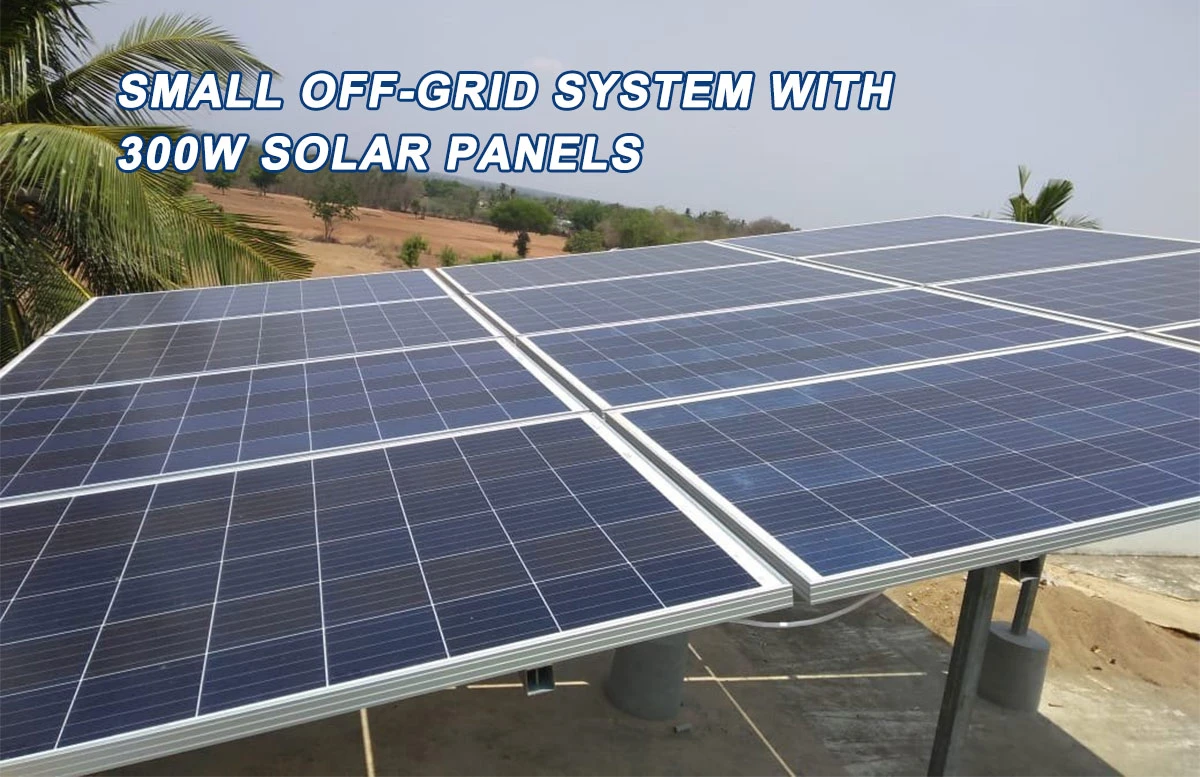
Option 1: Certified Used Poly Modules (Decommissioned) - For Ultra-Low-Budget, Short-Term Projects Only
If your project budget is genuinely very tight and the installation is intended for short-term use - for example, temporary site power supply or emergency backup power - this route is worth considering.
→ Sourced from decommissioned Tier-1 brand solar plants, these modules are typically in good physical condition, with measured output generally meeting rated specifications, and an estimated remaining service life of 5-10 years.
→ Unit cost is approximately 60% of new module prices - a meaningful reduction in procurement spend.
⚠ This option is only advisable for short-term project applications. It is absolutely not recommended for permanent power stations designed to operate for 20+ years. Additionally, used module supply can only be secured in small batches - reliable sourcing for a full 3 MWp order cannot be guaranteed.
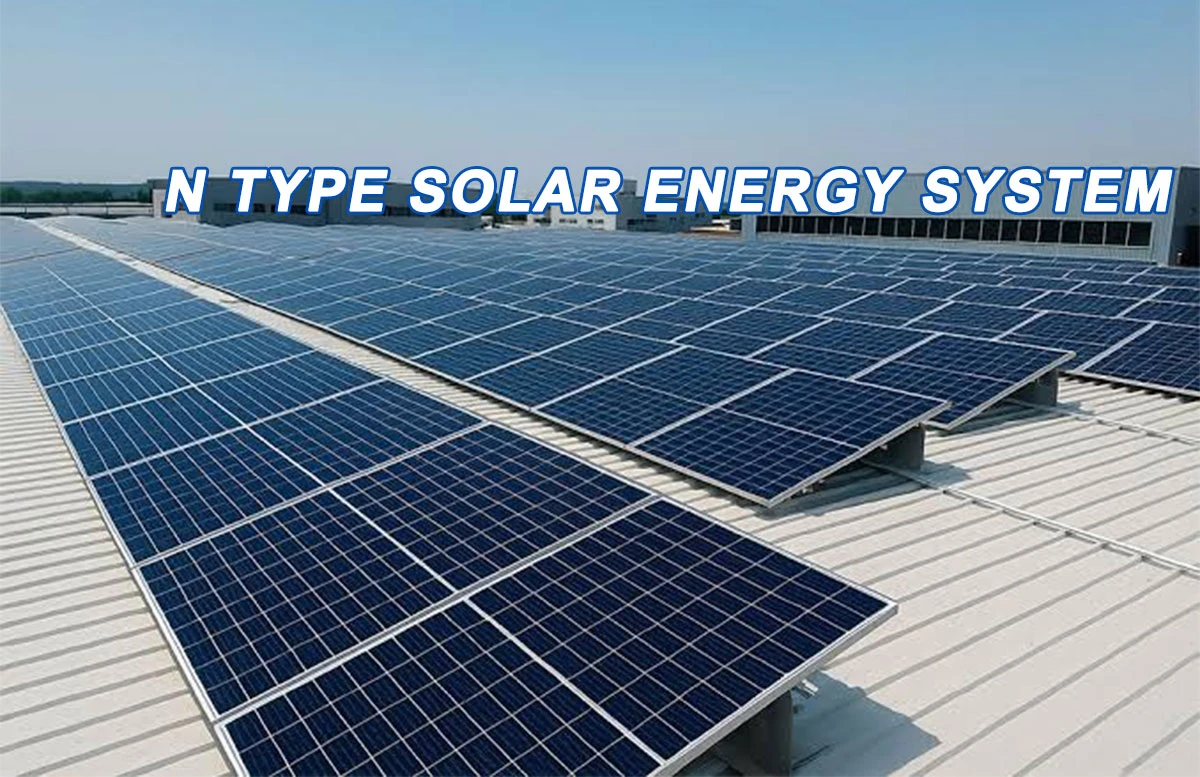
Option 2: N-Type TOPCon Low-Wattage Modules - Slightly Higher Upfront, Lowest Lifetime Cost
If your project is a long-term power station and your budget allows for a moderate increase, I strongly recommend giving this option serious consideration.
→ N-type TOPCon modules suffer lower power output loss under high-temperature conditions compared to P-type products. For projects in high-temperature regions such as sub-Saharan Africa and Central Asia, this typically translates to an additional 18%–22% improvement in annual energy generation.
→ Annual degradation rates are lower - the industry benchmark for TOPCon is approximately 0.4% per year, compared to roughly 0.55% per year for standard P-type PERC modules - meaning output is better preserved over the full 25-year operating life.
→ Although the upfront price per watt is 8%–12% higher, the levelised cost of energy (LCOE) over a 25-year project life is actually the lowest among all four options.
Procurement Pitfalls - Please Pay Attention to These Points
I want to share a few candid observations drawn from real cases I have encountered over the years:
Warning 1: Be Cautious About Clearance Poly Stock in the Market
If someone tells you they have a large quantity of poly modules available at a very low price, proceed with caution. A substantial portion of the poly stock circulating in the market today consists of refurbished panels assembled by small workshops using rebranded cells, with no formal quality inspection. Once these modules are shipped and deployed, they are highly prone to widespread delamination, hot spots, and severe output degradation in hot, humid, and high-wind environments - and there is no party you can hold liable or pursue for compensation.
Warning 2: Non-Certified Modules Carry Serious Customs Clearance Risk
Customs authorities in many developing countries are imposing increasingly strict certification requirements on imported solar modules. Low-priced, unbranded products lacking IEC 61215 and IEC 61730 certification are regularly seized or returned at the border. If your shipment is detained, you lose not only your procurement investment but also your project timeline - and potentially your end-customer relationship.
Warning 3: Large-Volume Orders Can Only Be Fulfilled with Mass-Production Products
This point deserves particular emphasis: for an order of 3 MWp, scattered clearance stock simply cannot be consolidated into a complete, matched shipment. Inventory lots are fragmented across multiple suppliers, available only in small quantities, and often span different production batches with inconsistent specifications. Mixed batches installed in the same plant create serious module string mismatch problems that reduce total energy output. The only reliable path to on-schedule delivery for a 3 MWp bulk order is through mass-production monocrystalline products from established manufacturers.
Warning 4: Consider a Split Approach to Maximise Budget Efficiency
→ Prioritise same-size 300W mono PERC as your primary solution to ensure zero changes to existing electrical equipment. If your budget allows a modest increase, consider pairing it with N-type TOPCon modules to further improve energy yield without any equipment modifications.
Closing Thoughts
I did not write this article to push you toward any particular product. My aim is simply to give you a clear and honest picture of where the industry stands before you make your procurement decision - so you can avoid the costly mistakes I have watched other buyers make.
The retirement of 300W polycrystalline modules is an inevitable outcome of technological advancement across the global solar industry, not a problem specific to any one supplier. There are now multiple alternative products on the market that fully match the cost-performance requirements of your project - and in most cases will outperform what poly panels ever could have delivered.
If you have a specific project you would like us to evaluate, please share your inverter model, existing racking specifications, and total installation capacity. We will provide a fully matched module solution and a detailed installation cost analysis at no charge.
I hope this article is genuinely useful to you.