


Summary Analysis of Electricity Prices in Five Emerging Southeast Asian Solar and Energy Storage Markets: Vietnam, Thailand, Malaysia, Philippines, Myanmar
Southeast Asia is experiencing rapid economic growth, with accelerating industrialization and urbanization driving sustained growth in electricity demand. According to the ASEAN Centre for Energy (ACE), the regional electricity demand growth rate will reach 4% annually by 2025, significantly higher than the global average, creating an urgent need for power infrastructure construction and energy structure transformation. As emerging markets in the solar and energy storage sector, Vietnam, Thailand, Malaysia, the Philippines, and Myanmar exhibit distinct differences in electricity price levels, power structures, and electricity demand.
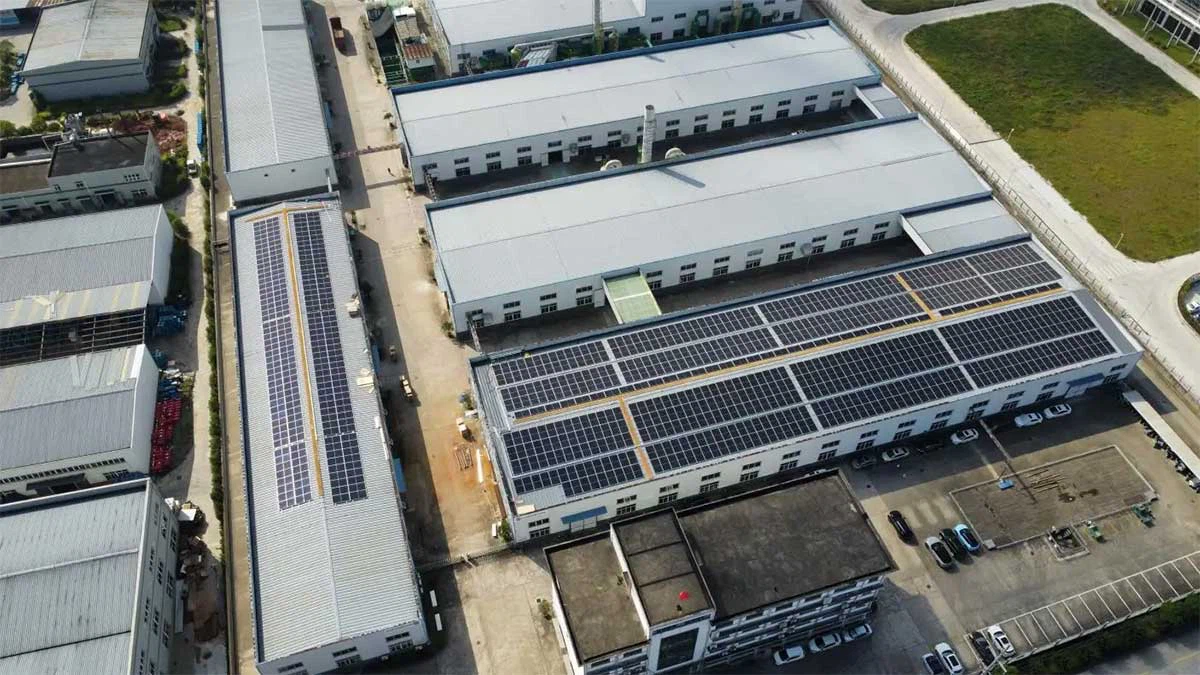
I. Core Data on Power Structure (as of 2023-2025)
The power structures of the five countries are significantly influenced by resource endowments and policy orientations, generally presenting a pattern of "fossil energy dominance with accelerated penetration of renewable energy such as photovoltaic (PV) power". The core data are shown in the table below:
|
Country |
Total Installed Capacity (10,000 MW) |
Share of Core Energy |
Key Data on Renewable Energy Development |
Characteristics of Power Supply |
|
Vietnam |
Expected to reach 8.45 by the end of 2025 (revised; original 8.76 adjusted to official plan value) |
Coal-fired power accounts for 32.1%, hydropower for 28.1%, with fossil energy totaling over 60% |
The 2025 total renewable energy installed capacity target includes 12 GW of wind power; the feed-in tariff for surplus rooftop PV electricity is 671 VND/kWh, and the share of renewable energy is planned to reach 15%-20% by 2030 |
Power plants outside the EVN system account for 58% of total power generation, with periodic power supply gaps; backward transmission and distribution network facilities result in some areas not being connected to the unified power grid |
|
Thailand |
- |
Natural gas accounts for 60%-65%, coal for over 40% (cross-statistics exist in the energy structure, including complementary power supply) |
PV installed capacity reached 3,181 MW in 2023; zero tariff on imported PV modules; planning to increase the share of renewable energy to 51% by 2037 |
Dependent on LNG imports (accounting for 60%); imports hydropower from Laos to optimize the structure; promotes integration of gas-fired power and renewable energy |
|
Malaysia |
New energy installed capacity was 2.9699 million kW in 2023 |
Natural gas accounts for 40%, coal for over 40%, with fossil energy totaling over 80% |
Drives development through the NEM Solar Self-Consumption Scheme and LSS Bidding Program; adjusted the plan in 2024 to lift PV capacity restrictions and provide cash subsidies for household installations |
Significant differences in resource distribution and electricity demand between East and West Malaysia; corporate income tax exemption for solar leasing companies extended to December 2026 |
|
Philippines |
- |
Coal accounts for 60%, natural gas for 20%, with fossil energy totaling 80% |
Renewable energy accounts for nearly 20%, with geothermal energy and hydropower as the core; leading in geothermal energy development in the region |
Weak infrastructure, high residential electricity prices, existing power supply gaps and temporary price surcharges; residential electricity price is 6.38 New Taiwan Dollars/kWh (≈0.204 USD) |
|
Myanmar |
- |
Traditional biomass energy accounts for 60%, hydropower as the core clean power source |
Gradually launching wind power and PV projects, with cross-border power transmission as a supplement |
Electricity access rate is only 44% (planned to increase to 75% by 2025); rural areas rely on biomass energy; per capita GDP is about 3,925 US dollars, and the economic foundation restricts power construction |
II. Core Electricity Price Data of Each Country (2025 Latest)
The electricity pricing mechanisms of the five countries are diversified, significantly influenced by electricity type, region, and policy regulation. The core electricity prices and mechanisms are shown in the table below.
|
Country |
Residential Electricity Price |
Industrial Electricity Price |
Commercial Electricity Price |
Electricity Pricing Mechanism and Supplementary Notes |
|
Vietnam |
Tiered pricing: 1,984 VND/kWh (≈0.078 USD) for 0-100 kWh, 3,967 VND/kWh (≈0.221 USD) for over 701 kWh |
Medium voltage: 2,600-2,900 VND/kWh (≈0.107-0.120 USD) in the south, 2,400-2,700 VND/kWh (≈0.100-0.111 USD) in the north; peak-to-valley price ratio for high voltage reaches 146%:53% |
- |
Government-set pricing mechanism; low electricity prices restrict foreign investment; has undergone 8 electricity price adjustments, facing significant public opinion pressure; feed-in tariff for surplus rooftop PV electricity is 671 VND/kWh |
|
Thailand |
Approximately 3 Thai Baht/kWh (≈0.094 USD) |
Average 4 Thai Baht/kWh (≈0.126 USD) |
Approximately 8 Thai Baht/kWh (≈0.251 USD) |
Time-of-use tariff; strongly correlated with natural gas prices; provides subsidies for compliant PV projects; planning to launch a tax reduction program for household rooftop solar energy |
|
Malaysia |
Tiered pricing in Peninsular Malaysia: 0.218 Malaysian Ringgit/kWh (≈0.049 USD) for below 200 kWh, 0.571 Malaysian Ringgit/kWh (≈0.128 USD) for over 900 kWh; monthly basic fee of 3 Malaysian Ringgit (≈0.428 USD) |
0.175-0.441 Malaysian Ringgit/kWh (≈0.039-0.099 USD), priced by low and high voltage. |
0.224-0.451 Malaysian Ringgit/kWh (≈0.050-0.101 USD) |
Tiered pricing; electricity prices in East Malaysia are slightly lower than in West Malaysia; adjusted the NEM program in 2024 to extend to agriculture, ground-mounted, and floating solar systems |
|
Philippines |
Approximately 10.55 Philippine Pesos/kWh (≈0.203 USD); residential electricity price is 6.38 New Taiwan Dollars/kWh (≈0.204 USD) |
Approximately 5.84 Philippine Pesos/kWh (≈0.114 USD) |
Operating at a high level (specific value not specified, significantly higher than residential and industrial electricity prices) |
Stage-wise pricing; electricity prices rank among the highest in the world, including infrastructure construction premium and temporary surcharges; electricity prices are higher than those in Taiwan Region of China |
|
Myanmar |
Tiered pricing: 35 Myanmar Kyats/kWh (≈0.023 USD) for below 30 kWh, 125 Myanmar Kyats/kWh (≈0.080 USD) for over 201 kWh. |
Tiered pricing: 125 Myanmar Kyats/kWh (≈0.080 USD) for below 500 kWh, 180 Myanmar Kyats/kWh (≈0.115 USD) for over 100,000 kWh. |
Linked to industrial electricity prices, approximately 125-180 Myanmar Kyats/kWh (≈0.080-0.115 USD) |
The price gap between industrial/commercial and residential electricity is nearly 7 times; cross-border power transmission price is 0.034-0.050 USD/kWh (poverty alleviation projects); low electricity access rate restricts the release of electricity demand |
III. Core Electricity Consumption Data of Each Country (2024-2025)
Electricity consumption is strongly correlated with economic development level and industrialization process. The five countries show significant differences in demand growth rate and structure. The core data are shown in the table below:
|
Country |
Key Electricity Consumption Data |
Share of Electricity Consumption Structure |
Demand Growth Rate and Future Outlook |
|
Vietnam |
Electricity consumption reached 258.7 billion kWh in the first 10 months of 2024; expected annual power generation to be 400-760 billion kWh in 2025 (revised, including planning range); maximum load is expected to reach 122.1 GW |
Industrial electricity accounts for over 51%, residential electricity for 35.4%, and the rest is commercial and other electricity |
Future growth rate to remain at 10%-15%; every 1% increase in GDP drives a 1.4% increase in electricity demand; electricity consumption is expected to be about four times that of 2012 by 2030 |
|
Thailand |
Manufacturing electricity consumption increased by 55% from 2010 to 2022; automobiles, electronics, and chemicals are major electricity consumers |
Manufacturing dominates, with commercial and residential electricity consumption growing simultaneously |
Expected growth rate of 4%-6% in 2025, matching the economic growth rate; increasing requirements for power supply stability, consistent with the average electricity demand growth rate in the ASEAN region |
|
Malaysia |
Electricity consumption in Peninsular Malaysia dominates the country, while that in East Malaysia is relatively low |
Manufacturing, commerce, and residential sectors are the core electricity consumption areas |
Future growth rate to be 3%-5%; the launch of large industrial projects will drive up the share of industrial electricity consumption; energy transformation requires supporting energy storage facilities to ensure stability |
|
Philippines |
Per capita electricity consumption will reach 1,051 kWh in 2025, and per capita low-carbon electricity consumption will be 259 kWh |
Industrial and residential electricity demand is gradually released with slow growth |
Per capita electricity consumption will increase by 0.57% year-on-year in 2025; future growth rate is expected to be 4%-5%; power supply gaps will persist, and high electricity prices will suppress part of the demand |
|
Myanmar |
Overall electricity consumption base is low; urban industry and residents are the core demand groups |
Rural areas rely on traditional biomass energy; electricity consumption is concentrated in cities |
Will enter a period of rapid growth with the improvement of electrification rate; plans to increase the electricity access rate to 75% by 2025, providing broad space for solar and energy storage projects |
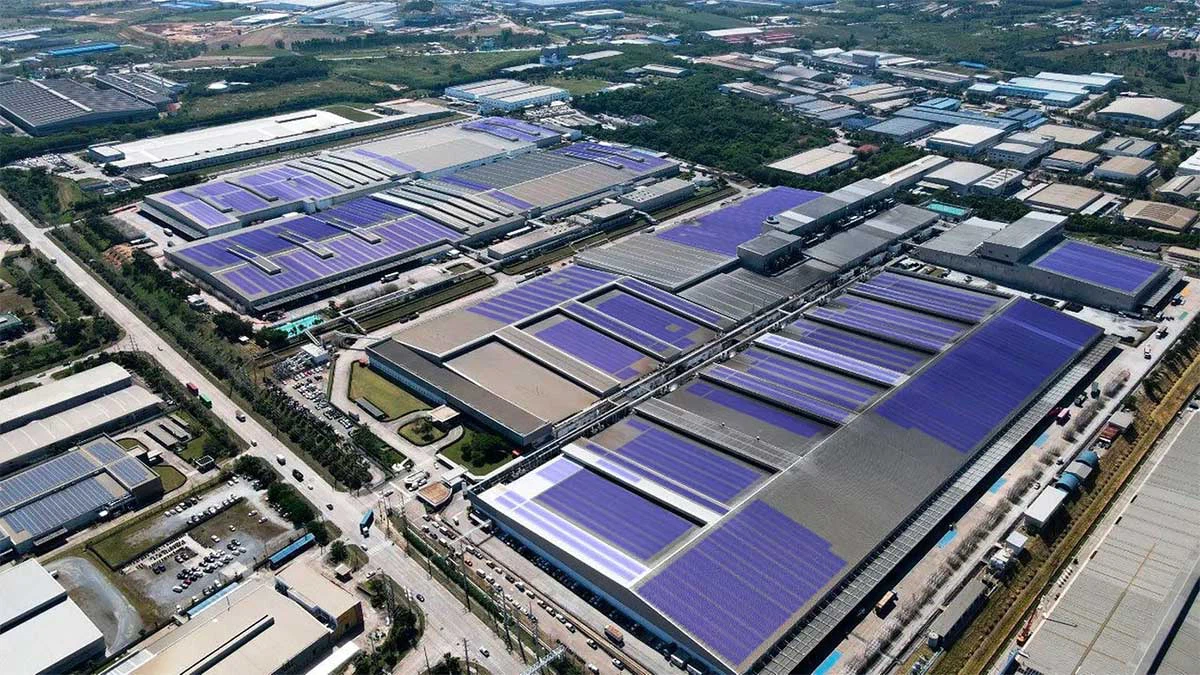
IV. Analysis of Electricity Price Formation Logic and Solar & Energy Storage Industry Opportunities
(I) Core Driving Factors of Electricity Prices
1. Resource Endowments and Import Dependence: Thailand and the Philippines rely on imported fossil energy (Thailand's LNG imports account for 60%), so their electricity prices are significantly affected by fluctuations in international energy prices; Vietnam and Malaysia rely on local coal and natural gas resources, resulting in relatively stable electricity prices; Myanmar relies on hydropower and cross-border power transmission, which is greatly influenced by hydrological conditions and cooperation policies.
2. Policy and Livelihood Balance: All five countries regulate supply and demand through tiered electricity prices. Vietnam plans to reform energy pricing policies to attract foreign investment, and the current government-set pricing mechanism has limitations; Malaysia and Myanmar balance enterprise revenue and livelihood burdens through basic electricity fees and price differences.
3. Infrastructure and Transformation Costs: The Philippines and Myanmar have weak infrastructure, and their electricity prices include construction premiums; Vietnam, Thailand, and Malaysia share the costs of renewable energy transformation through electricity prices, such as Vietnam subsidizing the feed-in tariff for surplus rooftop PV electricity and Malaysia extending the tax exemption period for PV enterprises.
(II) Differentiated Opportunities in the Solar and Energy Storage Industry
1. High Electricity Price and Gap Markets: The Philippines (residential electricity price ≈0.203 USD), southern Vietnam (industrial electricity price ≈0.107-0.120 USD), and Myanmar's industrial/commercial sector (maximum ≈0.115 USD). Solar and energy storage systems can offset high electricity prices through peak shaving, valley filling, and self-consumption, with a short investment return period.
2. Medium Electricity Price and Stable Markets: Thailand, Malaysia, and northern Vietnam. With stable electricity prices, opportunities focus on grid peak regulation and renewable energy consumption (Malaysia relaxed restrictions on PV projects in 2024, requiring supporting energy storage facilities to ensure grid stability).
3. Low Electricity Price and Policy-Driven Markets: Myanmar's residential sector (minimum ≈0.023 USD) and East Malaysia. Solar and energy storage projects rely on policy guidance, focusing on scenarios such as rural electrification and power supply in remote areas.
(III) Potential Risk Tips
Some countries have insufficient stability in electricity price policies (e.g., Vietnam has adjusted time-of-use electricity prices frequently, undergoing 8 adjustments and facing public opinion pressure). Myanmar faces fluctuation risks due to tax system and cross-border policy impacts; the Philippines and Thailand are affected by international energy price shocks, and electricity price uncertainty may affect the profit expectations of solar and energy storage projects.
V. Summary and Outlook
The power markets of the five Southeast Asian countries present core characteristics of "booming demand, structural transformation, and differentiated electricity prices", providing differentiated layout opportunities for the solar and energy storage industry. Vietnam, the Philippines, and Myanmar have strong rigid demand for solar and energy storage due to power supply gaps, high electricity prices, or growth potential; Thailand and Malaysia have broad space for supporting energy storage relying on the expansion of renewable energy installed capacity and grid optimization needs. In the future, with the implementation of national energy transformation policies and the improvement of infrastructure, the application of solar and energy storage systems in scenarios such as cost offset, stable power supply, and remote electrification will continue to deepen.