


Quebec Canada's 2026 Solar PV Subsidy New Policy Launches: A Golden Opportunity for PV Exports
A heavyweight policy boost is coming to Canada's solar PV market in 2026. Quebec Province has officially rolled out a high-value solar PV installation subsidy program, effective January 1st. This policy not only slashes the cost of solar PV installations for local residents and businesses and shortens the investment payback period, but also triggers an explosive growth in demand across Canada's PV market, unlocking a brand-new market space for global PV export enterprises.
As a core province for clean energy development in Canada, Quebec has launched an unprecedentedly strong subsidy policy this time, which has become the key driving force for the development of the local PV market. Residents and businesses can receive a CAD 1,000 financial grant for every 1 kilowatt of solar PV system installed, with the subsidy amount covering up to 40% of the total installation cost. According to this standard, a typical 5kW medium-sized residential PV system can get a direct subsidy of CAD 5,000; for commercial users installing systems over 40.5kW, the maximum subsidy is up to CAD 40,500. This tangible financial support has greatly enhanced the economic value of PV installations.
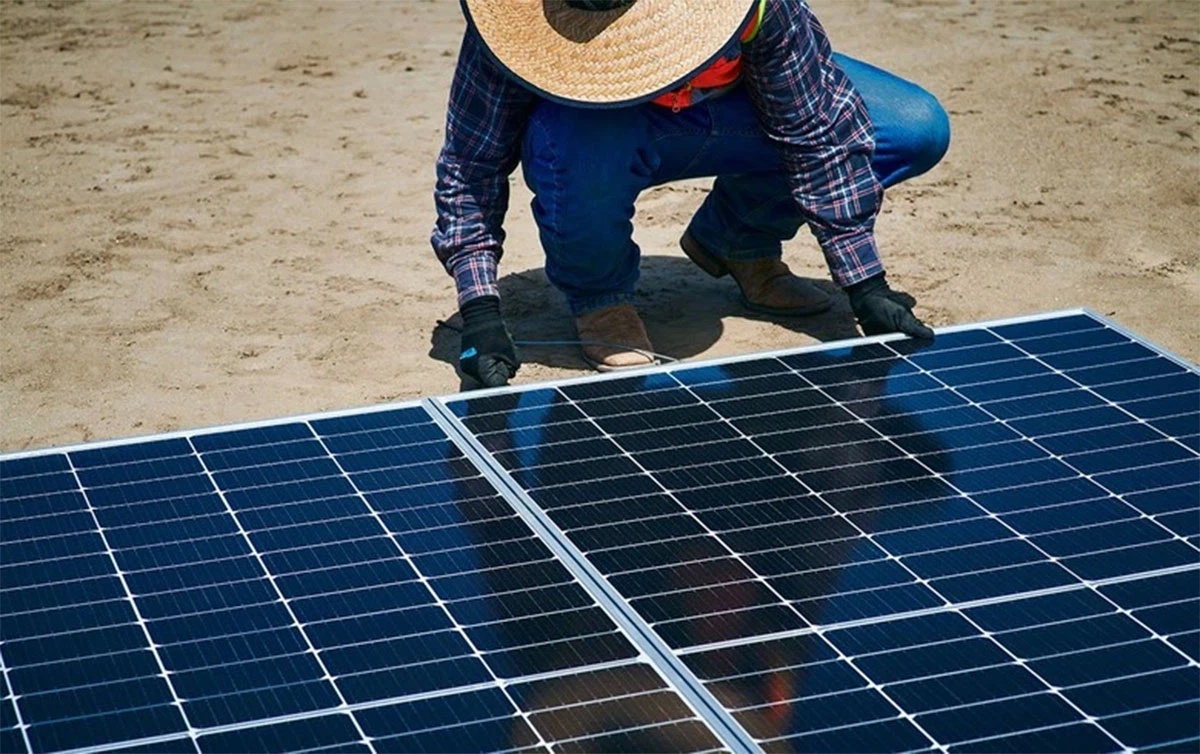
The implementation of the subsidy policy has completely reshaped the profit landscape of PV investments in Quebec. Prior to this, the payback period for residential PV systems in the region was about 12 years, and the new policy will cut this cycle to less than 8 years. Take the Montreal area as an example, the installation cost of a 5kW PV system is approximately CAD 15,000. After deducting the CAD 5,000 subsidy, users only need to bear CAD 10,000. The characteristics of low cost and high return will greatly stimulate the willingness of local residents and businesses to install PV systems.
In addition to the substantial financial subsidies, Quebec has further relaxed the capacity limits for PV projects, removing barriers for the release of large-scale PV demand. The permitted capacity for "self-generation and self-consumption" PV projects has been raised sharply from the original 50kW to 1,000kW. High energy-consuming entities such as industrial parks and data centers can install large-scale PV systems under this policy to replace part of the grid power. This adjustment has made the commercial and industrial sectors an important growth pole of Quebec's PV market.
This subsidy policy is not introduced in isolation, but a core component of Hydro-Québec's "2035 Clean Energy Blueprint". Behind it is a provincial and even national-level clean energy development plan in Canada, laying a solid foundation for the long-term development of the PV market. Hydro-Québec plans to invest CAD 10 billion in clean energy development over the next decade, with a goal of developing 11 gigawatts (GW) of clean energy by 2035, of which solar PV power generation will account for nearly 30% – an installed capacity of 3GW.
Notably, 99% of Quebec's electricity comes from hydropower. The vigorous promotion of solar PV power generation this time aims to build a smart energy system featuring "hydropower ensuring base load and solar PV peak shaving and valley filling". The peak period of solar PV power generation in the daytime perfectly matches the electricity consumption peak, while hydropower stably guarantees the basic electricity demand. The complementarity of the two greatly improves the stability and sustainability of the power grid. This also means that solar PV will occupy an irreplaceable core position in Quebec's energy structure, with long-term stable market demand.
Looking at Canada's national market, the PV industry is ushering in a golden decade. According to the forecast of the Canadian Renewable Energy Association (CanREA), Canada will add 17GW to 26GW of solar PV installed capacity in the decade to 2035. By then, the proportion of wind and solar energy in Canada's power structure will rise from the current 10% to 21%. The rapid growth of the PV industry has also driven the synchronous development of the energy storage market. It is expected that Canada will add 12GW to 16GW of energy storage installed capacity by 2035, and the "PV + energy storage" model will become the market mainstream, further expanding the development boundary of the PV industry.
For enterprises looking to lay out in Quebec's PV market in Canada, it is crucial to accurately grasp the local policy access requirements, among which technical and qualification thresholds are the key points. The local government clearly stipulates that the installation of PV systems must be completed by licensed professional electricians; core equipment such as PV modules and inverters must obtain CSA certification (Canadian Standards Association certification). This requires export enterprises to strictly align with CSA certification standards in product R&D and production to ensure that their products meet local market access requirements.
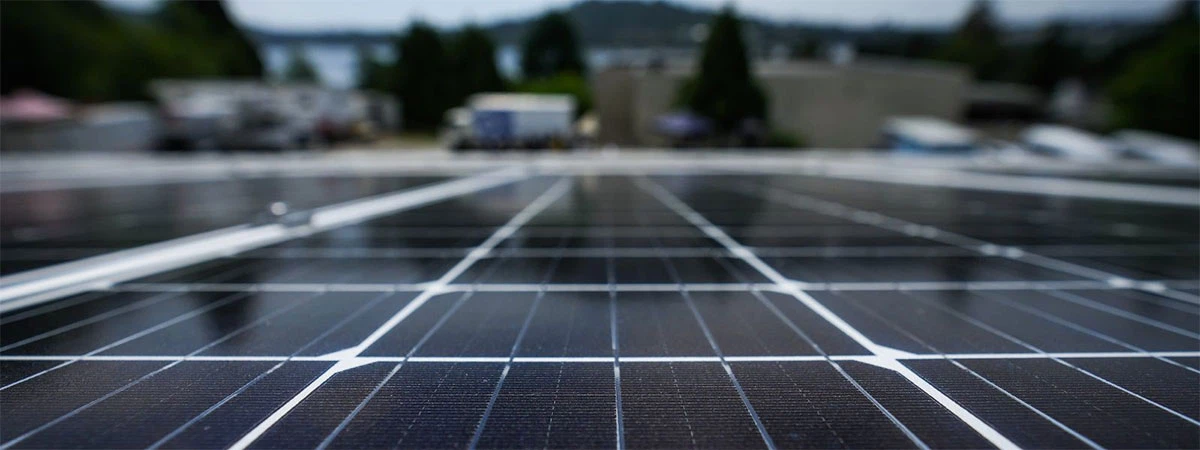
In terms of subsidy disbursement, the local government has clearly stated that the total subsidy shall not exceed 40% of the total installation cost. Although the specific application process (direct deduction by installers, post-installation check by mail, or tax credit) has not been fully announced, the subsidy application will enter a standardized stage after the subsequent official detailed rules are released. Enterprises can pay close attention to official information and provide full-process policy docking support for cooperative customers.
Quebec's new PV subsidy policy in Canada has not only activated local PV consumption demand, but also further released the development potential of the North American PV market. For PV export enterprises, seizing this policy opportunity, aligning with the product standards and access requirements of the local market, and laying out channels and cooperation resources in advance will enable them to seize the market opportunity and gain a brand-new business growth space in the explosive growth of Canada's PV market. In the future, with the gradual implementation of Canada's clean energy plan, the market demand for the PV industry will continue to rise, and the golden track for PV exports is officially open.