


JinkoSolar Sells 75.1% Controlling Stake in US Factory for $191.5 Million: Strategic Response to FEOC Rules Ushers in New Era of Global Asset-Light Operations
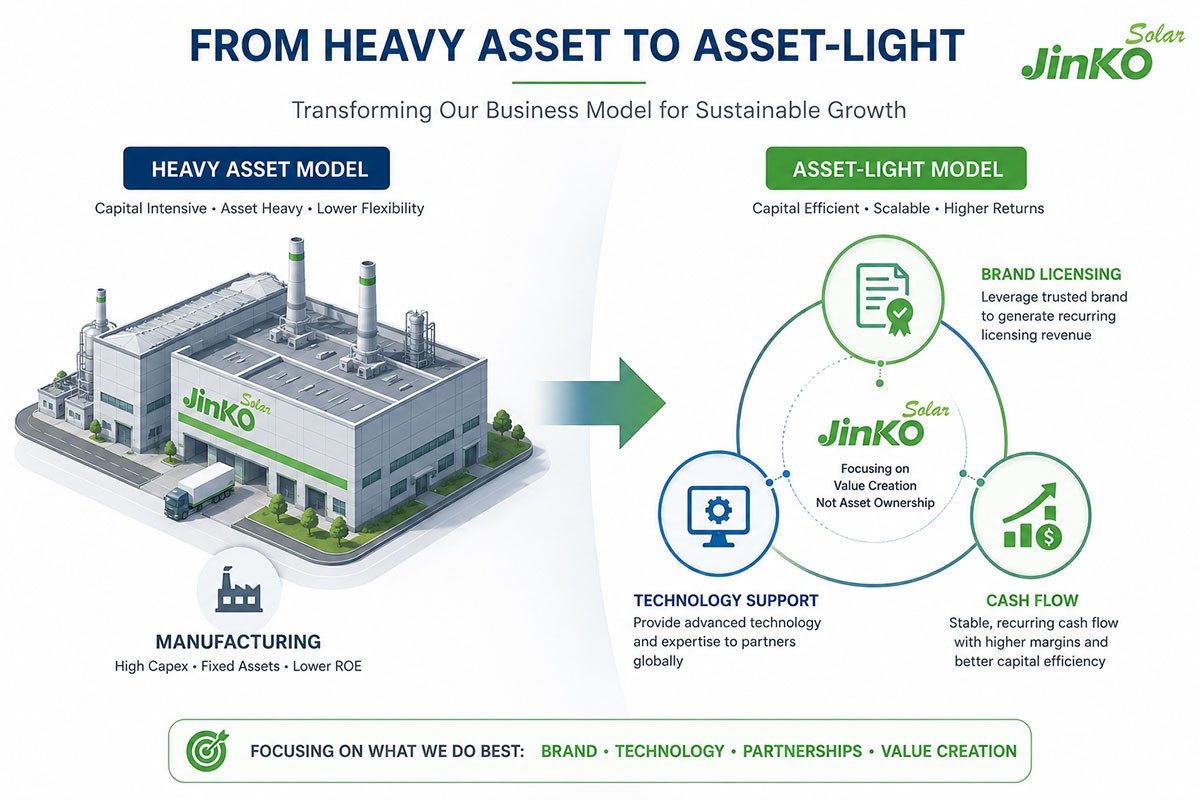
Executive Summary: JinkoSolar, the world's seven-time consecutive leader in solar module shipments, announced a landmark deal on the evening of May 8. The company will sell a 75.1% stake in its US manufacturing subsidiary to clean energy private equity fund FH Capital for $191.5 million (approximately RMB 1.302 billion), while strategically retaining a 24.9% minority interest.
The transaction covers JinkoSolar's operational 2GW solar module factory and its fast-growing energy storage business in the United States. This milestone strategic adjustment by a Chinese photovoltaic enterprise in response to the FEOC restrictions under the US "One Big Beautiful Bill Act" marks the official entry of the industry's global expansion into a new phase of "de-risking + asset-light transformation."
1.Transaction Details: Precisely Designed Compliance Solution
1.1 Core Transaction Terms
According to the official announcement released by JinkoSolar on the Shanghai Stock Exchange, the specific terms of the transaction are as follows:
Parties: Seller is JinkoSolar (U.S.) Holding Inc., a wholly-owned subsidiary of JinkoSolar Co., Ltd. Buyer is FH JKV Holdings Limited, a special purpose vehicle established by FH Capital specifically for this acquisition
Transaction Consideration: $191,505,000, representing a 14.34% premium over the book value of the target company's net assets
Ownership Structure: Following completion, FH Capital will hold a 75.1% controlling stake, while JinkoSolar retains a 24.9% minority interest
Payment Schedule: Three installments: 51% upon closing, 15.71% in the second tranche, and 33.29% in the third tranche
Brand Licensing: The target company may continue to use the "JinkoSolar" brand for product sales
Employee Arrangements: No changes to employment relationships; all existing labor contracts remain in effect
Debts and Liabilities: The target company will continue to assume all its existing debts and obligations

1.2 Target Assets: A High-Performing Cash Cow
The assets being sold are far from peripheral; they represent the core profit engine JinkoSolar has carefully built in the US market. The announcement reveals:
Production Capacity: 2GW high-efficiency solar module manufacturing facility
Operational Performance: Achieved an impressive 90.7% capacity utilization rate in 2025
Financial Results: Generated RMB 8.545 billion in revenue and RMB 1.341 billion in net profit in 2025; recorded RMB 36.6575 million in net profit in Q1 2026
Market Position: One of the leading domestic solar module suppliers in the United States with a stable blue-chip customer base
1.3 Buyer Background: Specialized Clean Energy Investor
The acquirer, FH Capital, is a leading global private equity fund focused on growth-stage clean energy investments:
Leadership: Led by Managing Partner Sanjeev Chaurasia, who brings 23 years of renewable energy industry experience. Mr. Chaurasia previously served as Managing Director at Credit Suisse, where he co-founded the bank's renewable energy practice and led JinkoSolar's initial public offering on the New York Stock Exchange in 2010.
Industry Footprint: Has invested in US solar cell manufacturer ES Foundry and Delaware River Solar, a leading US solar-plus-storage project developer, creating a complete industrial chain from cell manufacturing to power plant development.
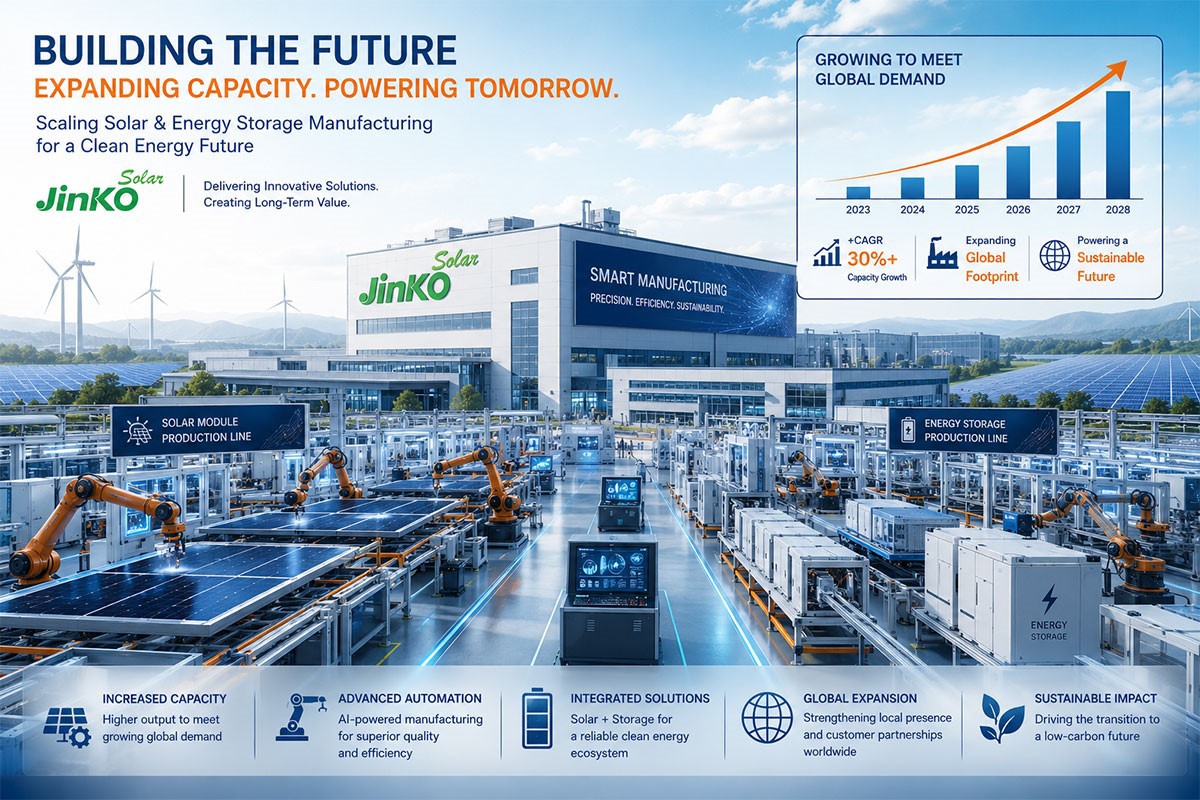
Strategic Plan: Intends to at least double the module production capacity of JinkoSolar's US factory following the acquisition and launch domestic battery energy storage system (BESS) production, establishing a leading integrated solar-plus-storage manufacturing platform in the United States.
2. Policy Context: A Matter of Survival Under FEOC Rules
2.1 Major Shift in US Clean Energy Policy
The fundamental driver of this transaction is the strict Foreign Entity of Concern (FEOC) rules implemented after the US "One Big Beautiful Bill Act" (OBBBA) was signed into law on July 4, 2025.
According to the final implementation guidelines issued by the US Department of the Treasury and Internal Revenue Service:
Effective January 1, 2026, any US clean energy manufacturing entity that is directly or indirectly owned 25% or more by a FEOC will be completely ineligible for all federal tax incentives, including:
45X Advanced Manufacturing Production Tax Credit: $0.07 per watt production subsidy for modules
48E Investment Tax Credit: 30% tax credit for project investments
45Y Production Tax Credit: Long-term tax benefits during power plant operation
2.2 The Devastating Impact of Losing Subsidies
For JinkoSolar's US factory, losing the 45X subsidy would be catastrophic. Industry calculations show that US domestic module manufacturing costs are approximately 3-4 cents per watt higher than in China, while the 45X subsidy amounts to 7 cents per watt. This means:
With subsidies: The US factory generates approximately 3-4 cents per watt in excess profit
Without subsidies: The US factory would lose approximately 3-4 cents per watt, resulting in annual losses exceeding RMB 600 million
JinkoSolar explicitly stated in its announcement that this transaction is "based on the company's comprehensive consideration of relevant policies and developments" and aims to "protect the company's long-term strategic layout in international markets and reduce operational risks and management costs."
3. Strategic Significance: A Paradigm Shift in Chinese PV Globalization
3.1 A Landmark Event in Industry Collective Action
JinkoSolar's transaction is not an isolated case but the latest chapter in the collective response of Chinese photovoltaic enterprises to changing US policies. Over the past year:
November 2024: Trina Solar sold its 5GW US factory to FREYR Battery in exchange for a 17.4% equity stake
April 2025: JA Technology sold its Arizona module factory to Corning for $227 million
November 2025: Canadian Solar established a joint venture with its controlling shareholder, precisely holding a 24.9% stake
May 2026: JinkoSolar sells 75.1% stake in US factory, retaining 24.9%
All these transactions share a striking commonality: Chinese enterprises have precisely controlled their ownership stakes at 24.9%, just below the 25% threshold set by FEOC rules. This is not a coincidence but a demonstration of the high level of strategic wisdom and consistency exhibited by Chinese PV enterprises in a complex international environment.
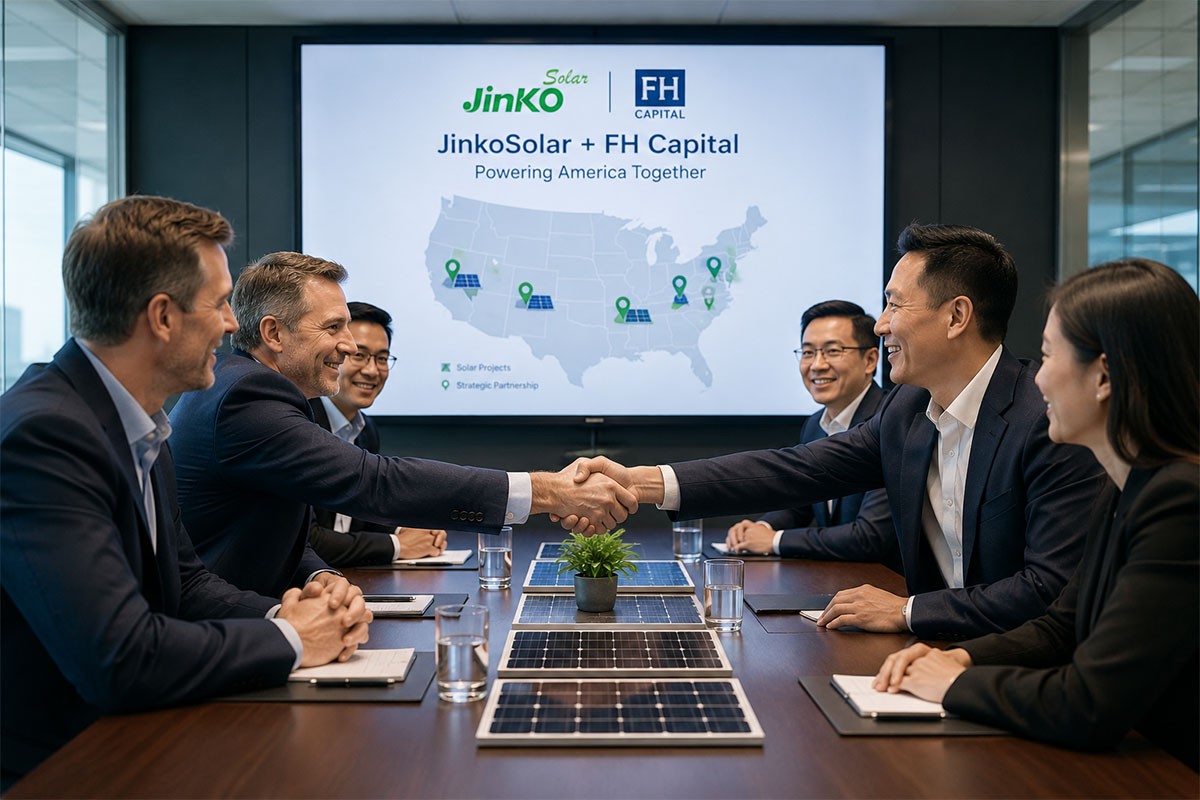
3.2 Transformation from "Factory Owner" to "Brand and Technology Licensor"
This transaction marks a major paradigm shift in the globalization strategy of Chinese PV enterprises:
Old Model: Wholly-owned overseas factories, bearing all investment and policy risks, earning manufacturing profits
New Model:
Retain 24.9% equity to share in the growth dividends of the US market
License brand usage and collect royalty fees
Provide technical support and supply chain services, earning technical service fees
Exclude from consolidated financial statements, avoiding policy and financial risks
Through this "precision divestment," JinkoSolar has successfully transformed its US business from a "heavy balance sheet burden" into a "light asset cash flow source" while preserving its brand influence and market share in the United States.
3.3 A Win-Win Transaction Structure
This deal represents a classic win-win arrangement:
For JinkoSolar:
Recovers RMB 1.3 billion in cash, significantly improving the company's cash flow position
Preserves US market access and subsidy eligibility
Continues to share in the operating profits of the US factory
Reduces overseas operational risks and management costs
Aligns with the interests of listed companies and minority investors
For FH Capital:
Acquires a profitable, operationally mature manufacturing platform
Complies with FEOC rules, making it eligible for full US government subsidies
Completes its clean energy industry chain layout in the United States
Leverages JinkoSolar's technology and brand advantages for rapid expansion
4. Industry Impact and Future Outlook
4.1 Impact on the US Solar Market
This transaction will have far-reaching implications for the US solar market:
Supply Stability: JinkoSolar's US factory will continue stable operations, ensuring domestic module supply in the United States
Price Levels: The factory's continued eligibility for 45X subsidies will help maintain stable module prices in the US market
Industry Development: FH Capital's plan to double capacity and launch energy storage production will further promote the development of the US domestic photovoltaic industry chain
4.2 Implications for the Chinese PV Industry
JinkoSolar's strategic adjustment provides valuable experience for other Chinese photovoltaic enterprises:
Compliance First: In a complex international political environment, compliant operation is the bottom line for enterprise survival and development
Agile Adaptation: Timely adjust business models and ownership structures in response to policy changes
Asset-Light Transformation: Shift from pure manufacturing output to brand, technology, and service output
Strategic Cooperation: Partner with local investors and industrial partners to share risks and benefits
4.3 JinkoSolar's Future Plans
Following the completion of the transaction, JinkoSolar will continue to focus on its core competitive advantages:
Technological Innovation: Continue investing in TOPCon and perovskite tandem cell technology R&D to maintain global technological leadership
Global Layout: Optimize global capacity allocation, focusing on emerging markets in Southeast Asia, the Middle East, and Latin America
Energy Storage Business: Accelerate the global expansion of energy storage business, targeting more than doubling energy storage system shipments in 2026
Brand Building: Continue to strengthen the global brand influence of "JinkoSolar"
5. Conclusion
JinkoSolar's sale of its US factory controlling stake represents a classic case of Chinese photovoltaic enterprises navigating complex international environments in the process of globalization. It demonstrates both the strategic wisdom and adaptive capabilities of Chinese enterprises and marks an important milestone in the transformation of China's PV industry from a "manufacturing powerhouse" to a "brand and technology leader."
Against the backdrop of global energy transition, Chinese PV enterprises will continue to promote the popularization and development of clean energy with an open, cooperative, and win-win attitude, working with global partners to address climate change and achieve carbon neutrality goals.
Sources:
JinkoSolar Co., Ltd. Announcement on the Sale of Subsidiary Equity (2026-036)
Final Implementation Rules of the US One Big Beautiful Bill Act (OBBBA)
FH Capital Official Press Release
PV Tech Q1 2026 Solar Market Report
Keywords: JinkoSolar, US factory, equity sale, FEOC policy, 45X tax credit, PV globalization, de-risking, asset-light transformation