


Many Power Distribution Companies In Nigeria Reported That Since The Early Morning Of The 14th, The National Power Grid System Collapsed.
On the morning of September 14th, multiple electricity distribution companies in Nigeria reported a widespread power outage due to the collapse of the national power grid system. According to reports, the country's power supply dropped from the average of 4,100 megawatts per day to just 273 megawatts in the early hours of that day, a decrease of 93.5%, which caused a nationwide power outage for several hours.

The incident exposed the vulnerability of Nigeria's power grid system, which heavily relies on gas turbines and hydroelectric power plants that are subject to frequent breakdowns and sabotage. This highlights the urgent need for the country to diversify and strengthen its power sources, especially through renewable energy alternatives.
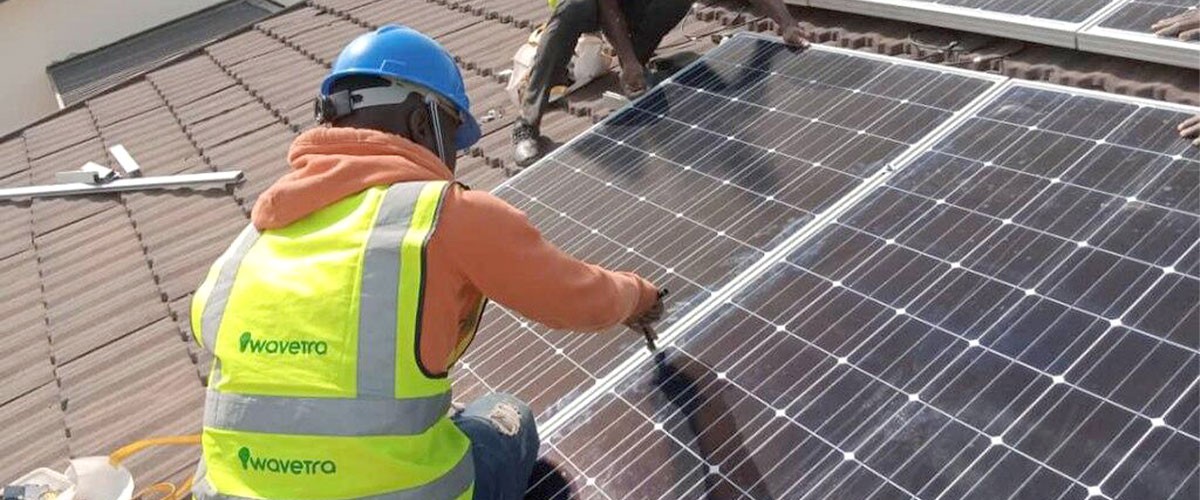
One potential solution is the use of solar panels for electricity generation. Nigeria's abundant sunshine presents a great opportunity to deploy photovoltaic (PV) systems on a large scale. With solar panel technology advancing rapidly, costs are steadily decreasing, making it a highly attractive option for both rural and urban areas.
Moreover, the installation of solar panels can bring numerous benefits to the country. It can help reduce the reliance on expensive diesel and gas-powered generators, which are costly to operate and maintain, especially in remote areas. In addition, solar energy can provide more stable and reliable electricity since it is less prone to outages caused by equipment failures and external factors.
In contrast, relying solely on diesel-powered generators can lead to issues such as noise pollution, air and water pollution, and greenhouse gas emissions, which have negative impacts on the environment and public health.
In conclusion, the recent outage in Nigeria highlights the need for the country to prioritize the development of renewable energy sources such as solar panels to improve the resilience and sustainability of its power grid system. By adopting solar panel technology and other renewable energy alternatives, the country can reduce its dependence on fossil fuels, improve energy security, and promote a cleaner and healthier environment for its citizens.