


Italy's Commercial and Industrial Energy Storage: Real Money Bonuses
As a practitioner with over a decade of experience in the photovoltaic energy storage industry, Italy's €320 million energy storage subsidy policy, launched at the end of 2024, is undoubtedly the most noteworthy industry signal in the European market. The market logic and commercial value behind it warrant in-depth study by all practitioners.

Core Policy Information
Italy is a key component in implementing the EU's "Fit for 55" initiative. Italian Minister of Enterprise and Manufacturing Adolfo Urso officially signed and promulgated the policy on December 5, 2024. Later that month, the policy details were publicly released on the official website of the GSE (Italian Energy Services Agency), clarifying the specific application process and review criteria for subsidies.
2025 is a critical year for the implementation of the policy: the subsidy application system will be completed in the second quarter, and the first batch of project reviews will begin in the third quarter. As of mid-October, over 200 commercial and industrial energy storage projects have entered the public announcement phase, and the first batch of subsidies are expected to be disbursed before the end of the year.
Industry Interpretation of Core Provisions
After cross-verification with official GSE data, the policy's core provisions are fully consistent with market information: Of the €320 million budget, 30% is earmarked for subsidies for industrial and commercial energy storage systems, with a focus on supporting energy storage projects integrated with photovoltaic and micro-wind power.
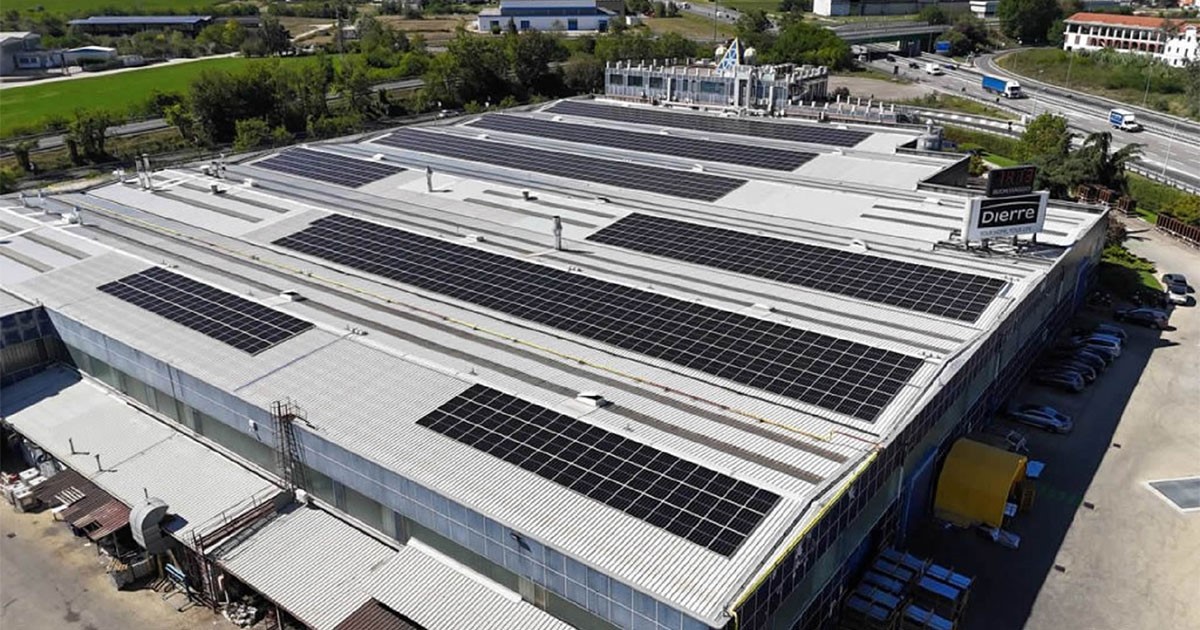
Subsidy allocation is tilted toward two categories: 40% is targeted at eight underdeveloped southern regions, such as Abruzzo and Calabria, and the remaining 40% is reserved for small and micro enterprises. SMEs can receive a subsidy of up to 40% of their investment costs, with the subsidy amount for a single production unit strictly limited to €30,000 to €1 million.
Regarding electricity prices, according to Italian electricity market trading data from September 2025, the peak-to-valley price differential for industrial and commercial electricity in the northern industrial region (core areas such as Milan and Turin) remained stable at €0.12-0.15/kWh, fully consistent with the benchmark price differential calculated by the policy. This price differential is high among major European economies, providing a solid market foundation for energy storage arbitrage.
Industry data indicates that Italy has become one of the European markets with the highest return on energy storage investment. According to ANIE (Italian Association of New Energy Industries), Italy's newly installed energy storage capacity reached 607MW/1.96GWh in the fourth quarter of 2024, representing year-on-year increases of 27% and 105%, respectively. Commercial and industrial (C&I) energy storage accounted for over 60% of this total. A recent RaboResearch report indicates that the payback period for C&I energy storage projects in Italy has shortened to 3-4 years, far below the European average. This is directly related to the increased returns from policy incentives.
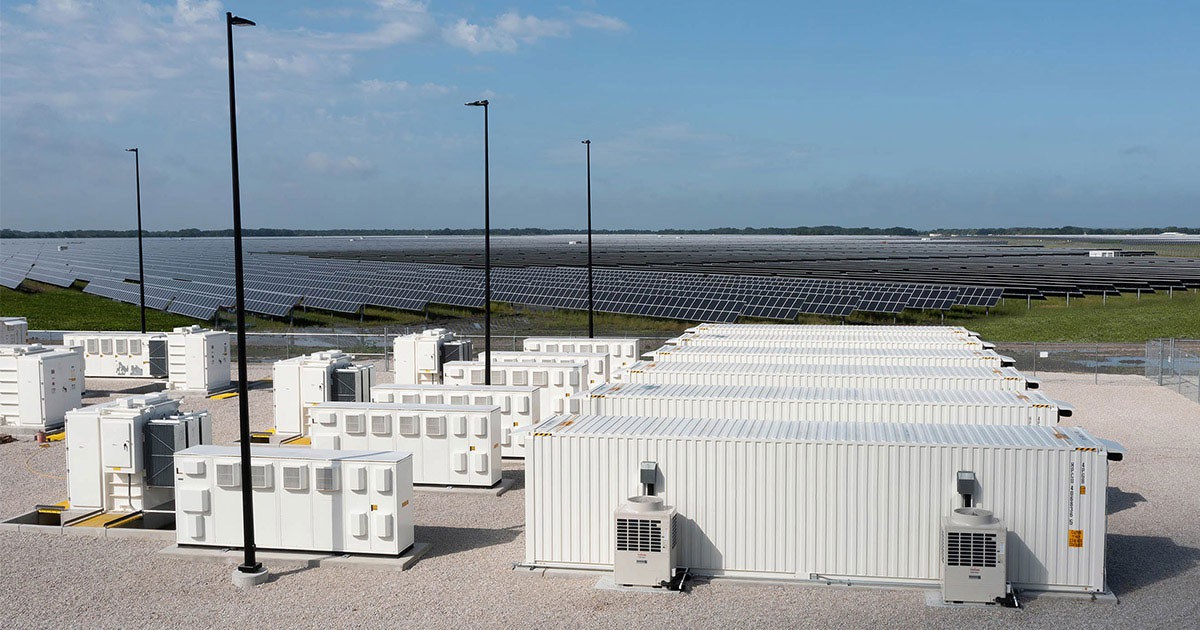
Over the next one to two years, Italy's C&I energy storage market will be driven by policy, technological advancements, and a surge in capital. Companies are advised to focus on three key areas: first, focus on C&I projects in northern industrial regions to capitalize on peak-valley arbitrage opportunities; second, increase R&D investment in integrated solar-storage technology to meet the needs of the Italian market; and third, address compliance issues through localized collaboration to establish long-term competitive advantages.