


How Much More Land Is Needed For Renewable Energy Expansion In Europe?
Europe can achieve climate neutrality by 2040 through the expansion of renewable energy sources without occupying a significant amount of land. According to a report by the European Commission, only 2.2% of the European Union's land area is needed to accommodate all the required solar and wind energy projects that will gradually replace fossil fuels and nuclear energy.
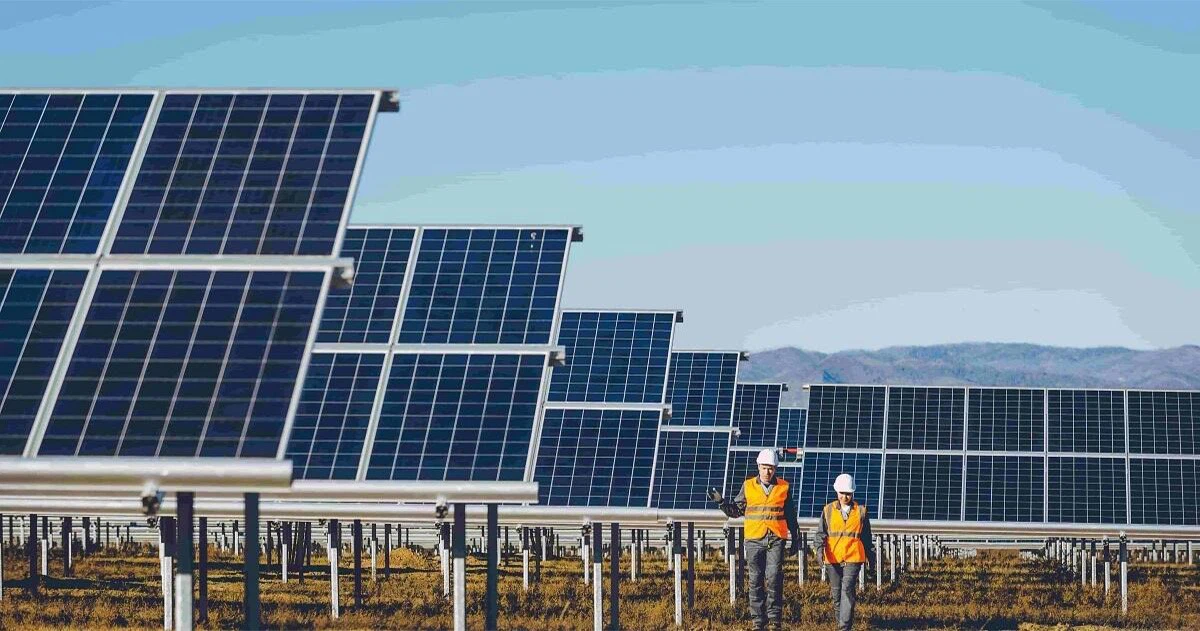
The expansion of renewable energy sources is critical for achieving carbon neutrality and mitigating the effects of climate change. However, the land requirement for the installation of these sources has been a subject of concern. The European Commission report reveals that the land needed to produce enough solar energy for Europe is a mere 0.05% of the EU's total land area. This means that only 8,000 square kilometers of land are needed to install enough solar panels to produce all the electricity consumed in Europe.
Wind energy requires a bit more land, but it is still not significant. The land required for a wind turbine, including the access road, substation, and other facilities, is about 0.02 to 0.05 hectares per installed megawatt (MW). This means that a 2 MW wind turbine requires a land area of about 0.1 hectares. This translates to only 10,000 square kilometers of land to accommodate all of Europe's wind energy needs.
Furthermore, renewable energy projects can be located on land that has multiple uses, without significant impact on their other uses. For example, wind turbines can be installed on farmland since farming activities can still take place. The installation of solar panels on rooftops can also significantly reduce the need for land for solar projects.
Rural areas are the most suitable for the installation of solar energy for several reasons. Firstly, rural areas have vast areas of unused land that can be used for solar panel installations. Secondly, solar energy installations on farms can help farmers supplement their income. Thirdly, rural areas often have higher sun exposure, which makes them ideal for solar energy production.
The EU's Joint Research Centre (JRC) has mapped the technical potential and land suitability for the roll-out of renewable energy in EU countries, under sustainability criteria aimed at preserving both biodiversity and agriculture.
Their criteria excludes biodiversity-rich areas and natural reserves as suitable sites for RES deployment, favouring instead built-up and artificial surfaces and degraded land with limited agricultural prospects. In line with the EU recommendations, areas identified as suitable for land-intensive renewables deployment exclude Natura 2000 sites, key biodiversity and bird areas, and high-value natural farms –among other protected areas.
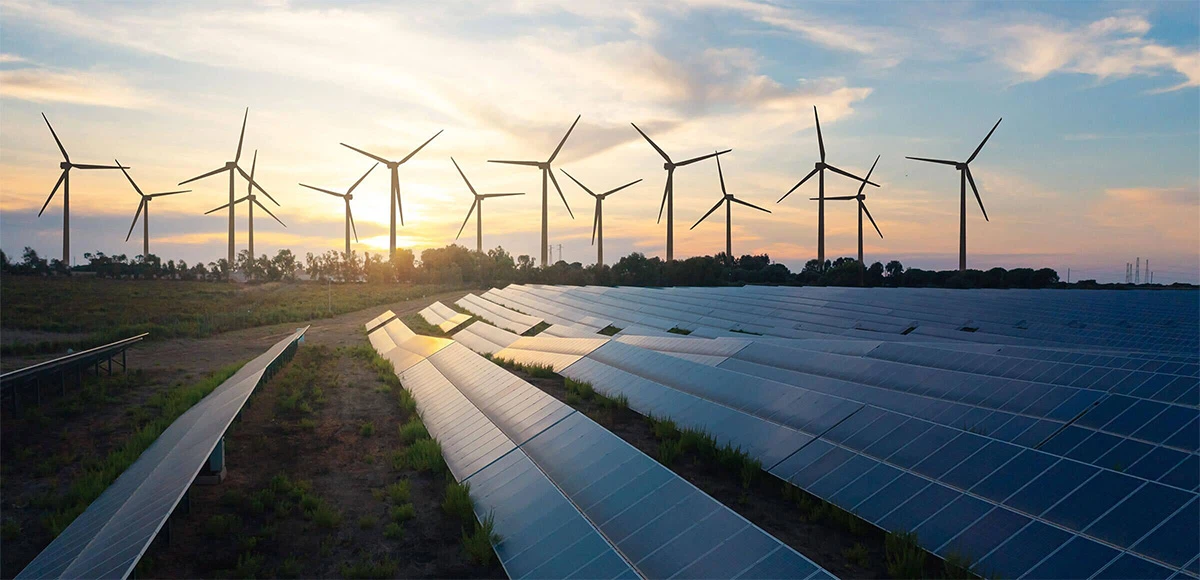
Agricultural land has been deemed unsuitable for renewables deployment. Only arable land, mixed crops and livestock systems that are already in an advanced state of erosion, and showing low productivity and high risk of abandonment,have been selected as suitable.
In conclusion, Europe can achieve climate neutrality by 2040 through the expansion of renewable energy sources without occupying a significant amount of land. The 2.2% of land required for solar and wind energy projects is small compared to the potential benefits of reducing greenhouse gas emissions. Rural areas are the most suitable for the installation of solar panels, as they have vast areas of unused land, can provide additional income to farmers, and have high sun exposure. The transition to renewable energy sources is necessary, and with proper planning, it can be achieved with minimal impact on the environment and other land uses.