


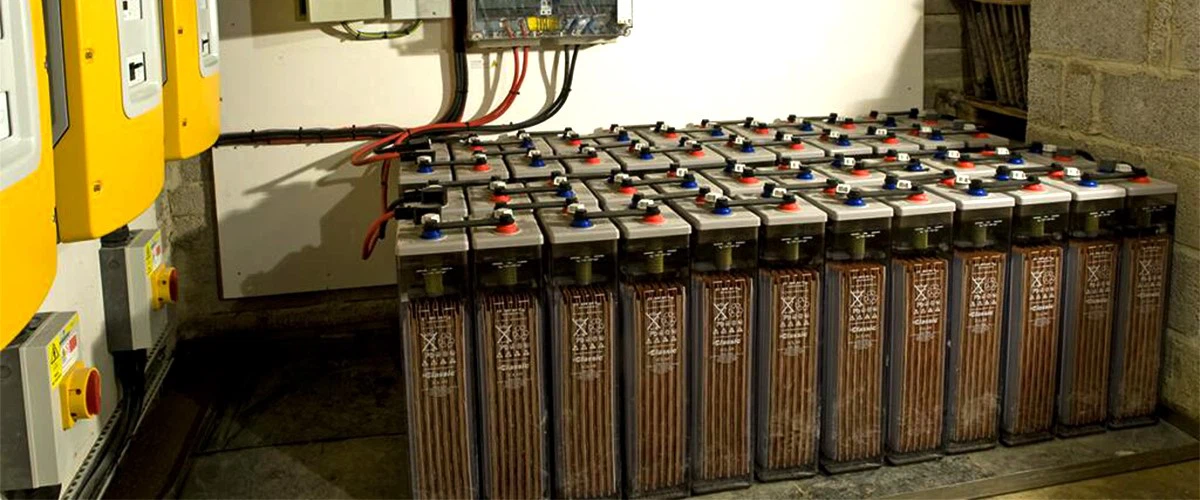
Solar energy is a renewable and clean energy source that is gaining popularity all over the world. One of the main challenges with solar energy is its availability as it is dependent on sunlight. In order to make solar energy more accessible and reliable, energy storage systems are used. A solar energy storage system consists of solar panels, batteries, and a battery management system. The battery stores the energy generated during the day, and provides energy during the night or when the weather is cloudy.

The performance of the battery is determined by several factors, including the temperature and humidity of the environment. In this article, we explore how temperature and humidity affect the performance of solar energy storage batteries and how manufacturers are addressing these concerns.
Temperature
Temperature is one of the most important factors that affects the performance of solar energy storage batteries. High temperatures increase the rate of chemical reactions, which can lead to internal damage to the battery. On the other hand, low temperatures reduce the battery's capacity and discharge rate.
Most batteries have an optimum operating temperature range that ranges between 15℃ to 25℃. Operating outside this range affects the battery's performance and lifespan. The performance of the battery decreases by approximately 0.5% for every degree above the optimum temperature range.
Manufacturers are aware of the impact of temperature on batteries and have come up with several solutions to address this issue. One solution is to use materials that can withstand high temperatures. Some batteries use lithium to reduce the damage caused by high temperatures. Others include cooling systems that keep the batteries within the optimum temperature range.
Humidity
Humidity is another important factor that affects the performance of batteries. High humidity levels can cause the battery to corrode, reducing its lifespan. In addition, humidity can result in water condensation inside the battery, which can cause the chemical reaction to slow down or stop.
Most batteries are designed to operate in a dry environment to prevent corrosion and water condensation. In addition, battery manufacturers use materials that are resistant to corrosion and water damage.
Conclusion
In conclusion, temperature and humidity are important factors that affect the performance of solar energy storage batteries. High temperatures reduce the battery's lifespan and cause internal damage, while high humidity levels can cause corrosion and water condensation inside the battery. Manufacturers are addressing these concerns by using materials that can withstand high temperatures and prevent corrosion and water damage. As the demand for solar energy storage systems continues to increase, manufacturers will continue to develop solutions to improve battery performance in different environmental conditions.