


How to Choose an Inverter Based on Your Solar Energy Storage Battery?
There are many factors to consider when selecting an inverter for your solar energy storage system. Here are some important points to keep in mind:
1. Determine your system requirements - Before selecting an inverter, you need to determine the power requirements of your solar panel system. This means knowing the total power output of your solar panels, as well as the maximum amount of power you need to run your appliances.
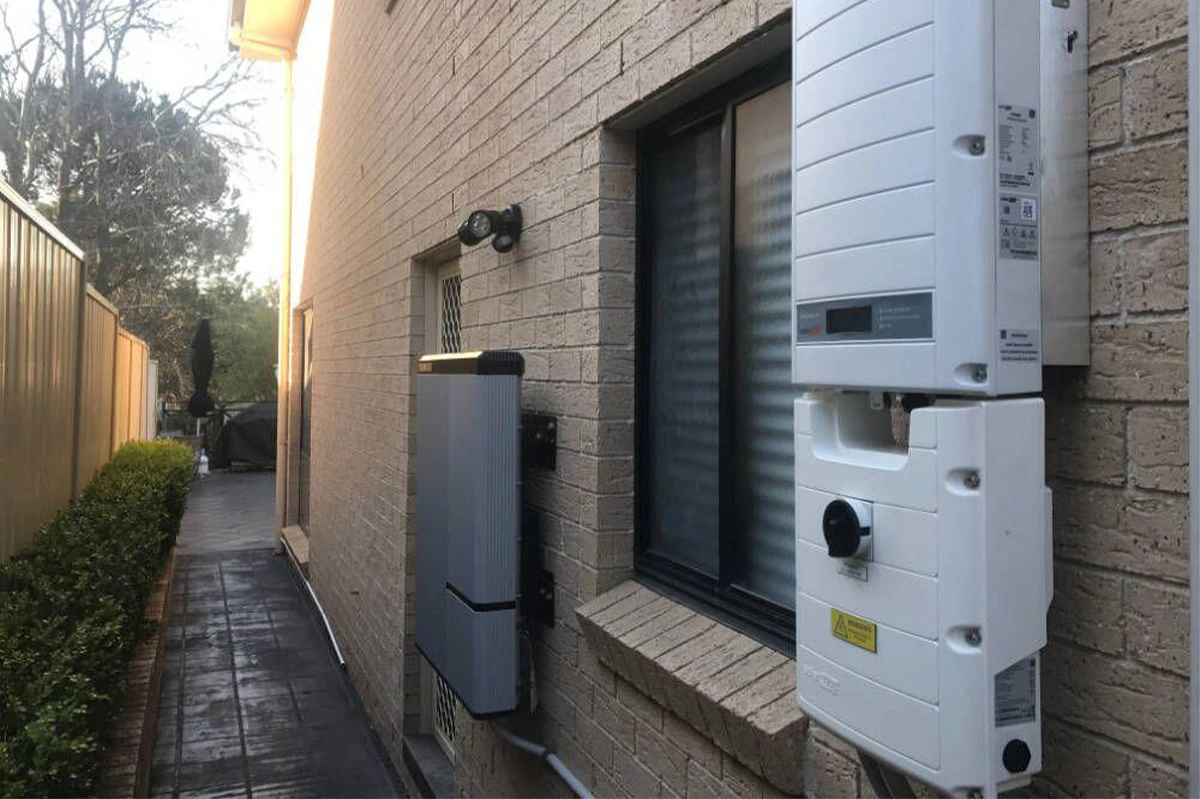
2. Choose the right type of inverter - There are several types of inverters on the market, each with their own strengths and weaknesses. The three most common types of inverters are string inverters, micro-inverters, and power optimizers. String inverters are the most common type of inverter, but micro-inverters and power optimizers are becoming increasingly popular due to their efficiency and flexibility.
3. Consider the inverter's efficiency - Inverters convert direct current (DC) electricity generated by solar panels into alternating current (AC) electricity that can be used in your home. However, this conversion process results in some energy loss. It's important to choose an inverter with a high efficiency rating in order to minimize energy loss and maximize your savings.
4. Look for features that fit your needs - In addition to basic functionality, many inverters offer additional features such as grid connection, battery compatibility, and monitoring. Consider which features are important to you and seek a model that fits your specific needs.
Here are some specific examples of how to choose an inverter based on the type of solar storage battery you have:
1. Lead acid batteries - If you have a lead acid battery, you'll want to choose an inverter that can handle the high surge current required to charge the battery. A pure sine wave inverter is typically the best choice for this type of setup.

2. Lithium ion batteries - If you have a lithium ion battery, you'll want an inverter that is compatible with the chemistry of your battery. Some lithium ion batteries require a particular type of inverter in order to function optimally, so be sure to do your research before making a purchase.
3. Flow batteries - If you have a flow battery, you'll want to choose an inverter that is compatible with the voltage and current range of your specific system. This will ensure that your battery is charged and discharged properly, maximizing its lifespan.
Overall, choosing the right inverter for your solar energy storage system is crucial to getting the most out of your investment. With careful research and consideration, you can find an inverter that will meet your needs and help you save money on your energy bill for years to come.