


How Can Solar Panel Manufacturers Ensure That Manufacturing Waste Is Properly Handled?
With the increasing demand for renewable energy sources, solar energy has become a significant part of the energy sector. Solar panels are a crucial part of solar energy, and their production generates a considerable amount of waste. As a result, solar panel manufacturers need to ensure proper waste management to minimize their waste's environmental impact.
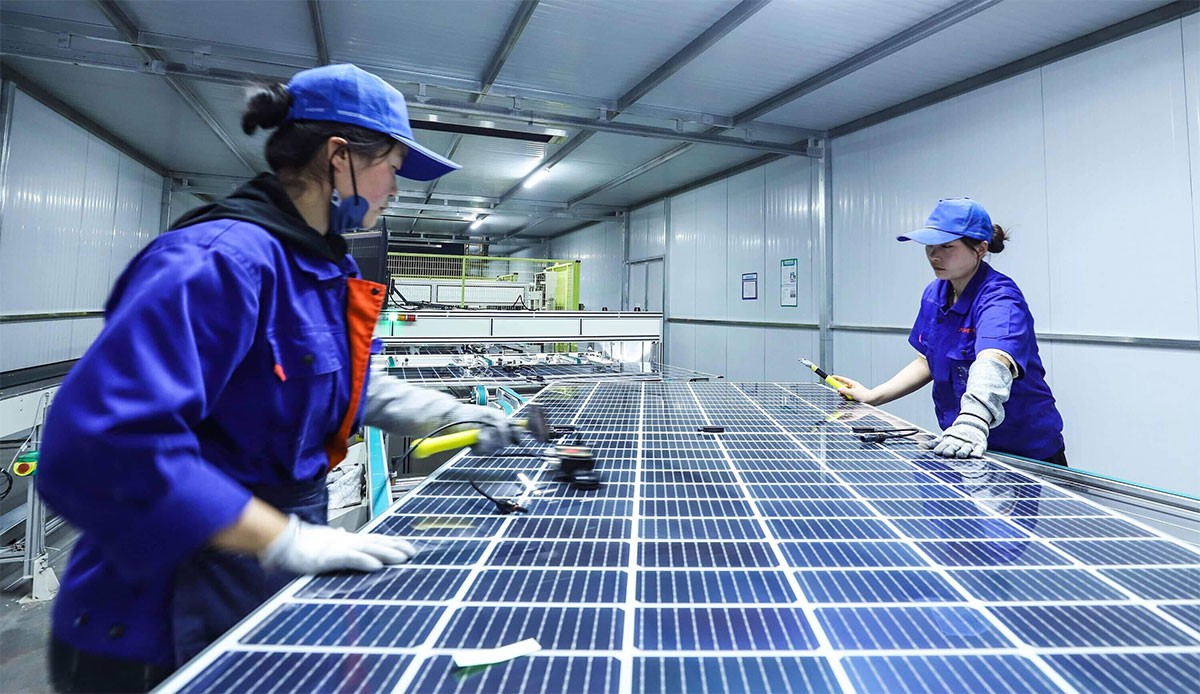
Waste Generated during Solar Panel Production
Solar panel manufacturing generates various types of waste, including:
1. Silicon-based waste: This includes discarded silicon wafers, crucibles, and broken photovoltaic cells.
2. Heavy metal waste: Solar panel production requires the use of lead solder, cadmium telluride, and other heavy metals.
3. Chemical waste: The chemicals used in solar panel production, such as hydrochloric acid, nitric acid, and solvents, can be hazardous.
4. Packaging waste: Solar panel components are packaged in cardboard, plastic, or foam.
Regulations Guiding Solar Panel Waste Management
To ensure proper solar panel waste management, manufacturers must comply with a wide range of regulations and guidelines. The following are some of the laws and regulations governing solar panel waste management:
1. The Resource Conservation and Recovery Act: This federal law regulates the waste generated during solar panel manufacturing.
2. The Toxic Substances Control Act: This federal law regulates the use of chemicals in solar panel production.
3. The Comprehensive Environmental Response, Compensation, and Liability Act: This federal law mandates the cleanup of sites contaminated by hazardous waste.
4. European Union Waste of Electrical and Electronic Equipment (WEEE) Directive: This directive regulates the disposal of electronic equipment, including solar panels.

Approaches to Managing Solar Panel Waste
Manufacturers can utilize different approaches to manage their solar panel waste, including:
1. Recycling: Manufacturers can recycle solar panel components to minimize waste generation. For example, silicon wafers can be recycled to produce new wafers, and lead solder can be recycled.
2. Reuse: Manufacturers can reuse solar panel components in product development, reducing waste and saving money in the long term.
3. Landfill Disposal: When recycling or reuse is not feasible, solar panel components can be disposed of in landfills. However, this approach requires strict adherence to waste management regulations.
4. Research and Development: Solar panel manufacturers can conduct research and development on more sustainable production methods to reduce waste generation in the long term.
Solar panel manufacturing generates a considerable amount of waste, making proper waste management crucial. Solar panel manufacturers can minimize their waste's environmental impact by complying with regulations, utilizing recycling and reuse practices, and conducting research and development on more sustainable production methods. Proper waste management not only benefits the environment but also helps solar panel manufacturers in cost-cutting and market competitiveness.