


What are the specific requirements for photovoltaic products in the Oman solar project?
Compulsory Certification Access Requirements (DGSM Certification Core Clauses)
(I) Module Durability Test Standards
Climate Simulation Test
High-Temperature and High-Humidity Cycle: 1000 hours of testing at 85°C/85% RH, no delamination of the encapsulation material, power degradation ≤5%
UV Radiation Tolerance: 15-30 kWh/m² cumulative radiation dose, front glass transmittance reduction ≤3%
Sand and Dust Abrasion Test: 15 m/s wind speed sprays dust ≤1 mm in diameter, no permanent scratches on the glass, frame seal intact
Electrical Performance Enhancement Test
PID Degradation Resistance: -1000 V bias for 72 hours, power degradation ≤3%
High-Temperature Operation Stability: 96 hours of continuous operation at 70°C, power fluctuation within ±3%
Additional Testing for Special Environments
Coastal Projects: 96 hours of 5% NaCl salt spray test, metal frame and junction box must meet IP68 Protection Level
New requirement added in 2026: Power recovery efficiency after dust intrusion ≥ 98% (draft currently under public review)
(II) Certification Process and Compliance Key Points
Regulatory Basis: Must comply with Omani Ministerial Decree 190/2021 and the Technical Regulations on Conformity Assessment effective June 2022.
Basic Requirements: Submit a basic report in accordance with IEC 61215/61730, supplemented with local Omani dust storm simulation data.
Implementation Specifications: Testing by a Notified Body designated by the DGSM (under the Ministry of Commerce, Industry and Investment Promotion). Certification is valid for one year and requires annual renewal, with a renewal period of 6-9 months and a single cost exceeding US$100,000.
Grid Access Technical Parameter Requirements (AER Specifications and NOGC Standards)
(I) System Operational Boundaries
|
parameter |
Requirements |
Applicable Scenarios |
|
Frequency range |
47.5–52.5Hz |
All grid-connected projects |
|
Voltage fluctuations |
85%–110% rated voltage |
Low voltage system (LV) |
|
Starting voltage |
90%–110% rated voltage |
Medium Voltage System (MV) |
|
Total Harmonic Distortion (THD) |
≤3% (if the standard is exceeded, an electrical filter must be installed) |
Point of Connection (POC) testing |
(II) Mandatory Protection System Functions
Core Protection Threshold
Overfrequency Protection: Frequency > 50.3Hz Active power reduction during operation
Low Voltage Ride-Through (LVRT): Projects ≥11.08kW must pass the voltage sag withstand test (complying with the curve in Figure 4).
Islanding Protection: Tested according to IEC 6116, ensuring disconnection within 300ms.
Reactive Power Control: Supports three modes: fixed reactive power (Q fix), fixed power factor (cosφ fix), and dynamic adjustment with active power (cosφ(P)). Q/P margin requirements must be met.
Design Standards for Extreme Environment Adaptation
(I) Desert Climate Special Design
Module Structure Optimization: Recommended dual-glass structure + UV-resistant backsheet (15-year UV radiation resistance).
Surface Coating: Use "dust-free" glass coating to reduce dust adhesion (e.g., LONGi Hi-MO 9 modules).
Tracking System Performance Requirements: Wind Load Resistance: Protects against wind speeds ≥ 22m/s (e.g., CHINT Solar Sky II Tracking System).
Terrain Adaptation: Supports 4 More than one height adjustment is available to accommodate low-lying terrain.
(II) High-Temperature Adaptability
Module Temperature Coefficient: ≤-0.32%/°C (ensuring manageable efficiency loss above 45°C. Oman has 2,900-3,600 hours of annual sunshine, with an irradiance of 8.2-9.6 kWh/m²/day).
Inverter Cooling: Must pass full-load operation testing at 70°C with no downtime.

Energy Storage and Supporting System Requirements
(I) Energy Storage Ratio and Performance
Mandatory Ratio: New PV projects must include 5%-15% energy storage capacity (for example, the Ibri III project uses 100 MWh/500 MW, in line with the renewable energy targets of Vision 2040).
Charge/Discharge Efficiency: ≥92%, Cycle Life ≥6,000 cycles (CATL Masdar Collaboration Project Standards)
(II) Intelligent Operation and Maintenance Adaptation
The tracking system must have a reserved interface for intelligent cleaning robots, and the purlin load-bearing capacity must be ≥ 150kg/m.
The components must support hot spot monitoring, and data transmission delay must be ≤ 10s.
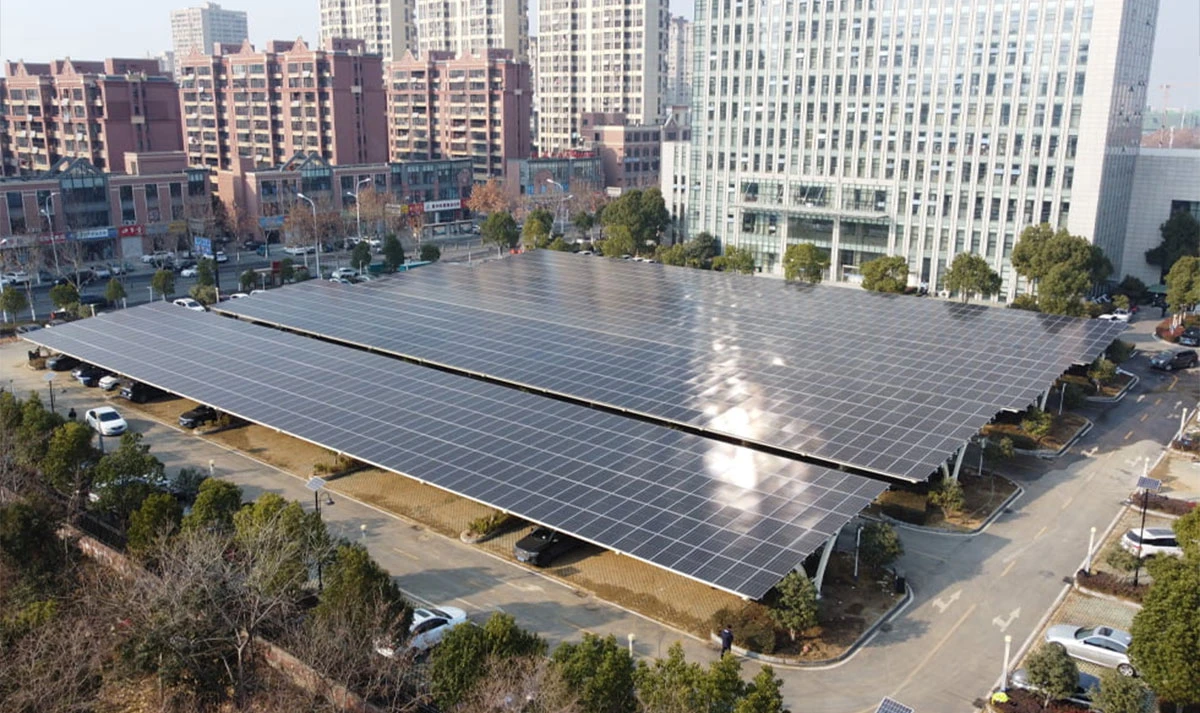
If you're planning a solar project in Oman, the requirements for photovoltaic products are straightforward: First, they must pass DGSM certification and undergo relevant tests, including climate and electrical tests. Coastal projects also face additional requirements.
Certification is not only time-consuming and expensive, but also requires renewal upon expiration. Grid access must comply with the AER 2017 standard, which specifies operating parameters.
Projects must also include protection features and meet reactive power control requirements. Regarding environmental adaptability, the modules and tracking system must withstand the local climate and must be equipped with energy storage. Furthermore, the module and tracking system design must facilitate subsequent operations and maintenance.