


Solar Power Energy Storage Lithium Battery Production Process
Solar power energy storage lithium batteries have become an essential component of renewable energy systems. With an increase in the demand for green and sustainable energy sources, the production of lithium batteries has become an important manufacturing process. Lithium batteries are widely used in various applications, including portable electronics, electric vehicles, and renewable energy systems. The production of lithium batteries requires careful consideration of a variety of factors, including material selection, manufacturing processes, and quality control. Here, we will discuss the detailed production process of solar power energy storage lithium batteries from raw materials to finished products.
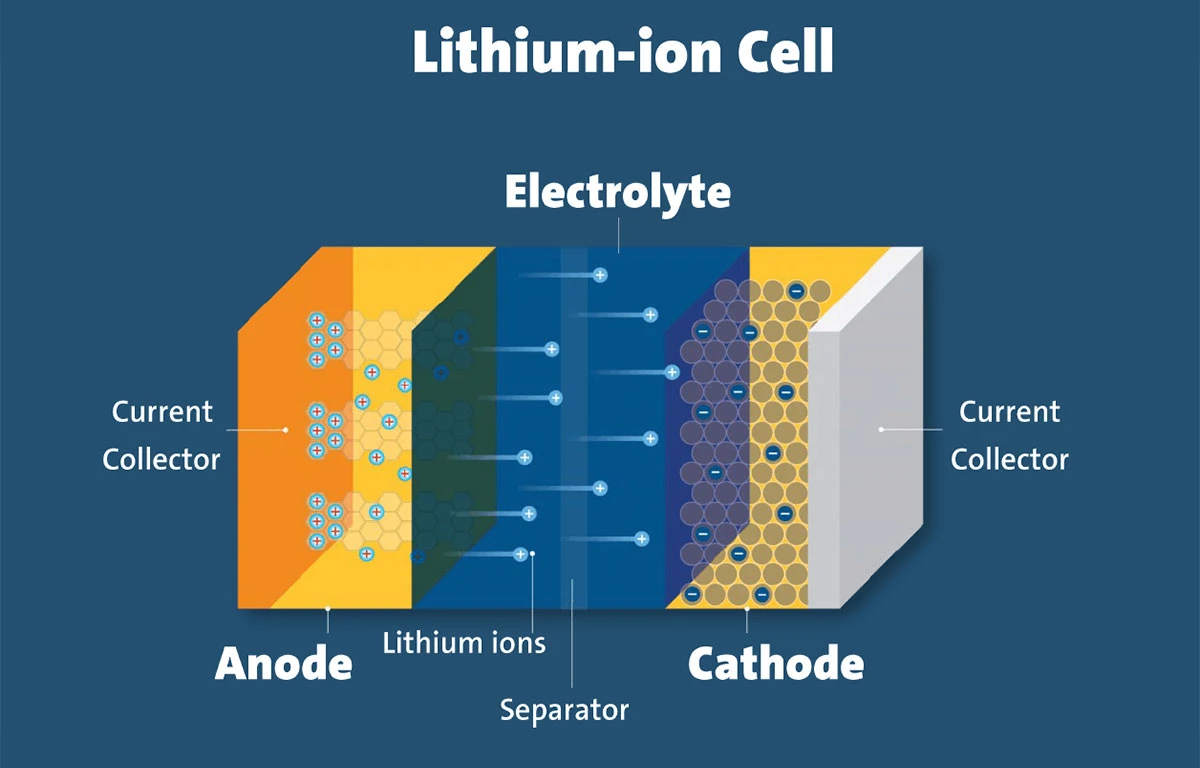
1. Raw Materials
The first step in the production process of solar power energy storage lithium batteries is the selection of high-quality raw materials. The following are the primary raw materials required for lithium battery production:
a. Lithium Ionic Solution: The lithium ionic solution is a critical component of the lithium battery. It is the electrolyte that allows the transfer of ions between the anode and cathode. The ionic solution can be prepared using a mixture of lithium salts and solvents.
b. Cathode Material: The cathode material is the positive electrode of the lithium battery. It is typically made of lithium cobalt oxide, lithium manganese oxide, or lithium iron phosphate.
c. Anode Material: The anode material is the negative electrode of the lithium battery. It is typically made of graphite, silicon, or lithium titanate.
d. Separator: The separator is a thin layer that goes between the anode and cathode, preventing them from touching each other. It is made of a porous material that allows the transfer of ions between the electrodes.
2. Mixing, Coating, and Drying
The second step in the production process of solar power energy storage lithium batteries is the mixing, coating, and drying of the raw materials. In this step, the various materials are mixed according to the battery design and then coated onto metal foils. The metal foils are then dried, resulting in electrode sheets. The electrode sheets are cut into the required sizes and shapes for the battery design.
3. Cell Assembly
The third step in the production process is the cell assembly. In this step, the electrode sheets are sandwiched with the separator and then rolled tightly to form a cylindrical shape. The cylindrical shape is then inserted into a metal casing.
4. Electrolyte Injection
The fourth step in the production process is the electrolyte injection. In this step, the lithium ionic solution is injected into the metal casing. The casing is then sealed, and the battery is ready for the next step.

5. Formation and Ageing
The fifth step in the production process is the formation and ageing. In this step, the battery is charged and discharged at a controlled rate to form the solid electrolyte interface on the cathode and anode. This helps to improve the battery's performance and extend its lifespan.
6. Testing and Quality Control
The sixth and final step in the production process is the testing and quality control. In this step, the battery is subjected to various tests to ensure that it meets the desired specifications and quality standards. The tests include voltage and capacity tests, cycling tests, and load tests.
In conclusion, the production of solar power energy storage lithium batteries requires careful consideration of a variety of factors, including material selection, manufacturing processes, and quality control. The production process involves several steps, including raw material selection, mixing, coating, and drying, cell assembly, electrolyte injection, formation and ageing, and testing and quality control. The production process is critical in ensuring that the resulting lithium battery meets the desired specifications and quality standards. With the increasing demand for renewable energy solutions, the production of high-quality lithium batteries has become a crucial manufacturing process that enables us to create sustainable energy systems and reduce our carbon footprint.