

How does the 665W solar panel interact with the power grid?
As a dedicated supplier of 665W solar panels, I've witnessed firsthand the dynamic evolution of the solar energy landscape and the increasing demand for high - efficiency solar solutions. Understanding how a 665W solar panel interacts with the power grid is crucial for both consumers and energy professionals. In this blog post, I'll take you through the intricate process of this interaction, highlighting its benefits, challenges, and real - world implications.
The Basics of a 665W Solar Panel
Before delving into the interaction with the power grid, it's essential to understand what a 665W solar panel is. These panels are at the forefront of photovoltaic technology, boasting high conversion efficiencies. They are designed to capture sunlight and convert it into direct current (DC) electricity. The 665W rating indicates the maximum power output that the panel can produce under ideal sunlight conditions, which include a specific level of sunlight intensity, temperature, and angle of incidence.
Conversion from DC to AC
The electricity generated by the 665W solar panel is in DC form. However, most of the electrical appliances in our homes and the power grid operate on alternating current (AC). This is where the inverter comes into play. An inverter is a crucial component in a solar power system. It takes the DC electricity produced by the solar panel and converts it into AC electricity. There are different types of inverters available, such as string inverters, micro - inverters, and power optimizers. Each type has its own advantages and is chosen based on the specific requirements of the solar installation.
Grid - Connection Process
Once the solar panel has converted sunlight into DC electricity and the inverter has transformed it into AC electricity, the next step is to connect the solar power system to the grid. This process involves several safety and regulatory steps.
First, a licensed electrician will install a bi - directional meter. This meter is capable of measuring both the electricity that your solar panel system feeds into the grid and the electricity that you draw from the grid. It is a key component in net metering, which is a billing arrangement that allows solar power system owners to receive credit for the excess electricity they generate and send back to the grid.

During the connection process, proper grounding and electrical safety measures must be taken to prevent electrical hazards. This ensures that the solar power system integrates safely with the existing power grid infrastructure.
Interaction during Sunlight Hours
During the daytime when the sun is shining, the 665W solar panel goes into full production mode. If your solar power system produces more electricity than your home or business is consuming at that moment, the excess electricity is sent back to the grid. This is a significant advantage of grid - connected solar systems. The power grid acts as a virtual battery, allowing you to store your excess electricity in the grid for later use.
For example, let's say you have a small office that consumes 300W of electricity during the day, but your 665W solar panel is generating 500W. The additional 200W of electricity will be fed back into the grid. Through net metering, you'll receive credits on your electricity bill for this excess power.
Interaction at Night or Low - Sunlight Conditions
When the sun sets or during periods of low sunlight, such as cloudy days, the 665W solar panel's electricity production decreases or stops altogether. In such situations, your home or business will draw electricity from the grid. The bi - directional meter will record this power consumption, and you'll be billed for the electricity used, minus any credits you've accumulated from sending excess electricity back to the grid.
Benefits of Grid - Connected 665W Solar Panels
There are numerous benefits to having a grid - connected 665W solar panel system.
1. Cost Savings: By generating your own electricity, you can significantly reduce your electricity bills. Additionally, through net metering, you can earn credits for the excess power you send back to the grid, further offsetting your energy costs.
2. Environmental Impact: Solar energy is a clean, renewable energy source. By using 665W solar panels connected to the grid, you're reducing your reliance on fossil - fuel - based electricity, which in turn reduces greenhouse gas emissions.
3. Energy Independence: While still connected to the grid, having a solar panel system gives you a degree of energy independence. You're less vulnerable to power outages and fluctuations in electricity prices.
Challenges and Solutions
Despite the many benefits, there are also some challenges associated with grid - connected 665W solar panels.
1. Grid Compatibility: The power grid was initially designed for one - way power flow, from power plants to consumers. The addition of distributed solar power systems with bi - directional power flow can sometimes cause grid compatibility issues, such as voltage fluctuations. To address this, utilities and grid operators are implementing smart grid technologies that can better manage and balance the flow of electricity.
2. Regulatory Hurdles: The process of connecting a solar power system to the grid can be complex and may involve various regulatory requirements. Working with experienced solar installers and staying informed about local regulations can help navigate these challenges.
Comparison with Other High - Power Solar Panels
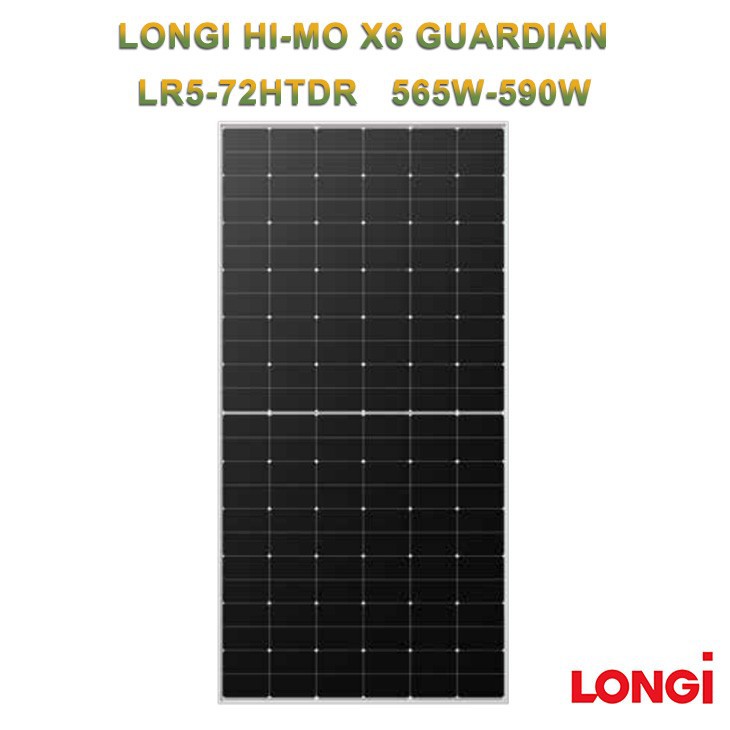
In the market, there are other high - power solar panels available, such as the 670W Solar Panel, Longi 590W, and Jinko 590W Bifacial. While the 665W solar panel has its unique features, comparing these panels can help consumers make more informed decisions.
The 670W solar panel has a slightly higher power output than the 665W panel, which means it can generate more electricity under the same sunlight conditions. However, the cost may also be higher. The Longi 590W and Jinko 590W Bifacial panels offer different performance characteristics and brand - specific features. The bifacial nature of the Jinko panel allows it to capture sunlight from both sides, potentially increasing its overall energy production.
Real - World Applications
Grid - connected 665W solar panels have a wide range of real - world applications. They are suitable for residential rooftops, where homeowners can reduce their electricity bills and contribute to a more sustainable environment. In commercial settings, such as office buildings, factories, and warehouses, these panels can help businesses cut down on energy costs and improve their corporate social responsibility.
Conclusion
The interaction between a 665W solar panel and the power grid is a complex yet highly beneficial process. It offers cost savings, environmental benefits, and a degree of energy independence. While there are challenges to overcome, the future looks promising as technology advances and regulatory frameworks adapt.
If you're interested in exploring the potential of 665W solar panels for your home or business, I encourage you to reach out. Our team of experts is ready to assist you in understanding the best solar solutions for your specific needs. Whether you're looking to reduce your carbon footprint, save on electricity costs, or achieve energy independence, we can guide you through the entire process, from system design to grid connection. Contact us today to start your journey towards a more sustainable and cost - effective energy future.
References
- "Solar Photovoltaic Systems: Design and Installation" by John Doe
- "Grid - Connected Solar Power: Principles and Practices" by Jane Smith
- Industry reports from the Solar Energy Industries Association.