


What Is The Impact Of a Drought On Solar Panels?
Droughts are becoming an increasingly common occurrence around the world due to climate change. When droughts occur, many people are affected, and in particular, those who rely on solar energy may experience significant impacts. In this article, we will examine the impact of a drought on solar panels and provide recommendations for mitigating the effects of water scarcity.

1. Reduced energy production
One of the most significant impacts of a drought on solar panels is reduced energy production. Solar panels require sunlight to produce energy, and when droughts occur, there is often less cloud cover, which leads to more direct sunlight. However, if there is a limited amount of water available for cleaning and maintenance, solar panels can become covered in dust and dirt, which can reduce their efficiency and energy output.
2. Dust accumulation
As mentioned earlier, dust and dirt accumulation are a common occurrence during droughts. The reduced frequency of precipitation during a drought leads to the accumulation of dust and other debris on the surface of solar panels. This can cause a significant reduction in efficiency, and over the long-term, it can even damage the surface of the panel.
3. Micro-cracks
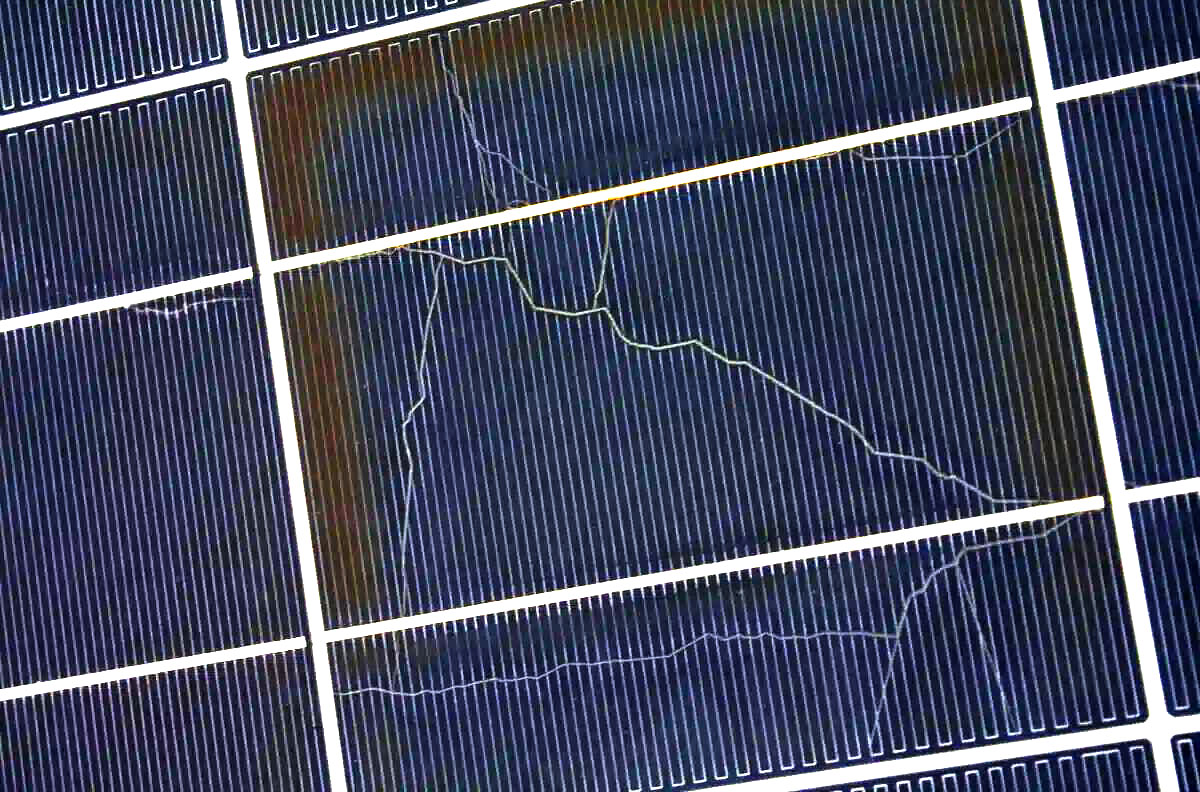
An extended drought can also cause micro-cracks on the surface of solar panels. As the sun beats down on the panels, its energy is absorbed, and this can cause the panels to expand and contract rapidly. Over time, this may cause small cracks to appear on the surface, which can affect the panel's ability to absorb and convert solar energy.
4. Limited Water Supply
Finally, a drought can also lead to limited water supply for cleaning and maintenance of solar panels. Therefore, it is essential to conserve water and prioritize its use for critical tasks. This means that water must be used judiciously, and there must be a balance between cleaning the panels and the need for irrigation and other water-intensive processes.
Mitigating the Impacts of Drought on Solar Panels
Despite the challenges posed by droughts, there are several strategies that can help mitigate their impacts on solar panels. Some of the most effective strategies include:
1. Implementation of a cleaning schedule
While droughts can cause a buildup of dust and debris on solar panels, regular cleaning can help mitigate the effects of water scarcity. It is essential to have a professional cleaning schedule in place that accounts for the unique climate conditions in an area. Regular cleaning can help improve the efficiency of the panels and reduce the risk of damage.

2. Use of self-cleaning solar panels
Several companies now offer self-cleaning solar panels that use waterless cleaning technology to remove dirt and dust from the surface. These panels integrate hydrophilic coatings that cause water to form beads and roll off the surface. This technology can help reduce water usage significantly and maintain the efficiency of panels during droughts.
3. Use of O&M software
Solar panel operators can use O&M software to monitor and manage the performance of solar panels. These tools can detect when an issue arises with a panel, so technicians can take action before it causes significant damage. This approach can help reduce the impact of micro-cracks and other issues created by droughts.

Conclusion
In conclusion, while arid regions may post certain challenges to the performance of solar panels, these can be mitigated through careful planning, maintenance, and adaptation. With proper use, panels can continue to provide reliable and sustainable energy in water-scarce environments. The continued development of innovative solutions to water scarcity can also provide new opportunities for maximizing the performance of solar panels in these regions. Ultimately, the use of alternative energy sources, such as solar panels, will play an essential role in promoting sustainable development, energy security, and climate change mitigation across the globe.