


Is The Annual Power Generation Of Photovoltaic Fixed? What Factors Are Related To It? Will There Be Attenuation?
1.What is photovoltaic power generation? What is distributed photovoltaic power generation?
Photovoltaic power generation is a technology that uses the photovoltaic effect of semiconductor interfaces to directly convert light energy into electrical energy. It is mainly composed of three parts: solar panels (modules), controllers and inverters, and the main components are composed of electronic components. After the solar cells are connected in series and packaged for protection, they can form a large-area solar cell module, and then combined with power controllers and other components to form a photovoltaic power generation device.
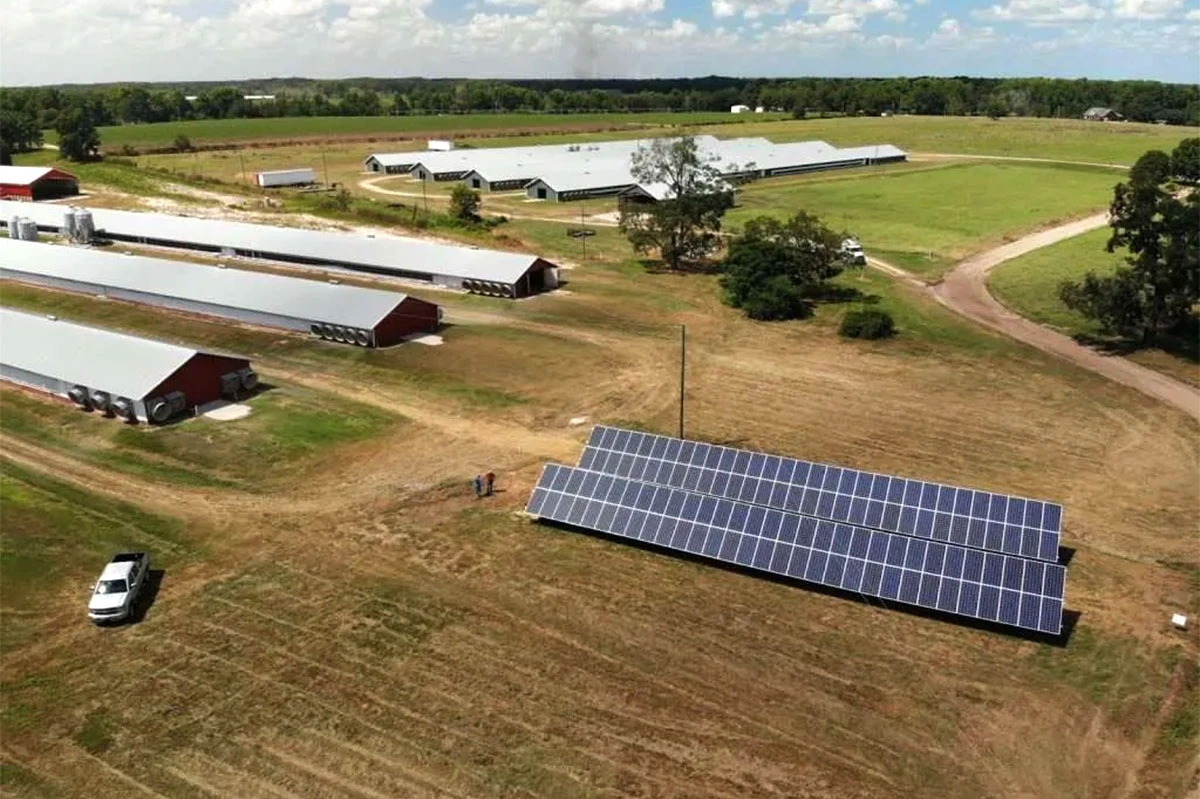
Distributed power generation refers to photovoltaic power generation facilities that are built near the user's site, mainly operate on the user's side, and the excess electricity is connected to the grid, but the distribution system is balanced and regulated. Distributed photovoltaic systems follow the principles of adapting to local conditions, clean and efficient, decentralized layout, and nearby utilization, making full use of local solar energy resources to replace and reduce fossil energy consumption.
2.What is Building Integrated Photovoltaic (BIPV)?
Building Integrated Photovoltaic (BIPV) is a technology that integrates solar power generation products into building roofs, walls and other building enclosures.
Specifically, it is an integrated technology that uses photovoltaic modules as building materials to become an organic part of the building, and incorporates them into the overall design of the building, rather than simply superimposing them. It uses solar photovoltaic materials to replace traditional building materials, making the building itself a large energy source.
3. What Is "Self-Generation For Own Use, Surplus Power To The Grid"?
"Self-generation for own use, surplus power to the grid" means that the electricity generated by photovoltaic power is used for its own load first, and the remaining electricity can be sold through the power grid or connected to the grid. When the photovoltaic power is not enough for the load, it is supplemented by the power grid.
This is a more profitable model, while reducing the impact of photovoltaic power on the large power grid. This method can not only reduce electricity bills, but also promote the use of renewable energy and reduce carbon emissions. For this operating mode, there are generally two metering meters, one is a kilowatt-hour meter to measure the electricity generated by photovoltaic power; the other is a bidirectional meter to measure the upstream and downstream electricity of the power grid.
4. Why Do Loads Give Priority To Using Photovoltaic Power?
The main reasons why loads give priority to photovoltaic power generation are as follows: According to the principle that current flows from high voltage to low voltage, when photovoltaic power generation is in progress, the voltage of the grid-connected inverter is always a little higher (or slightly higher) than the voltage of the grid, so the load gives priority to photovoltaic power generation. Only when the photovoltaic power is less than the load power, the voltage on the photovoltaic side drops, and the grid will supply power to the load. You can use the method of contradiction, assuming that the load gives priority to the power of the grid, the photovoltaic power can only flow to the large grid, but the power in the same section of the line can only flow in one direction, so photovoltaic power will give priority to the nearest load.
From the load side, the load consumes current by obtaining the current source closest to the load, so photovoltaic power generation is used by the load first. PV power generation can only output electrical energy, and the national grid can both provide electrical energy to the load and receive electrical energy as a load. When photovoltaic power generation is sufficient, from the perspective of the load, its voltage is higher than that of the grid. When the PV power is less than the load power, the energy storage battery and PV together supply power to the load; when there is no PV or the battery power is insufficient, if the AC power is detected, the inverter will automatically switch to the AC power supply.

5. Can Photovoltaic Power Generation Still Be Achieved When The Power Is Cut Off In The Factory Area?
After the public power grid stops supplying power, if the distributed photovoltaic grid-connected system continues to supply power, some lines in the grid power outage area will remain energized, and the power company will lose control of the line voltage and frequency, which will bring a series of safety hazards and accident disputes, endanger personal safety, and cause equipment damage. Therefore, the state has promulgated relevant standards, requiring the inverter to be equipped with an anti-islanding device. When the grid voltage is zero, the grid-connected inverter will stop working. Only when the inverter detects that the large grid is normal will it reconnect to the grid for power generation.
6. Can The Unused Electricity Of The Photovoltaic Power Station Be Stored For Use At Night?
If the load cannot consume the electricity generated by photovoltaic power in time, it will be sold to the power grid, and then distributed to other places through the power grid; if you want to store the excess electricity for continued use, you need to configure PCS and energy storage batteries, first store the excess electricity in the battery, and release the electricity of the energy storage battery for use by the load at night or when needed.
7. What Are The Benefits Of Installing a Photovoltaic Power Generation System For The Owner?
(1) The roof is beautiful and heat-insulating. Installing a photovoltaic power station on the roof can protect the roof well. In summer, the photovoltaic panels can absorb heat, so that the temperature in the factory will not be too high. Turning on the air conditioner in the factory will be more energy-efficient.
(2) The rooftop photovoltaic power station generates electricity for the factory's own use, saving electricity bills and earning profits. The factory's industrial and commercial photovoltaic power station has a higher on-grid electricity price, and the power generation income of the power station after grid connection is higher. Moreover, if the electricity generated by the photovoltaic power station is used for self-use first, it can save the company's electricity expenses. It saves a lot of money for the company every year.
(3) Activating corporate assets and enhancing the company's external environmental protection, energy saving and green image are beneficial to the long-term development of the company.
8.Is The Annual Power Generation Of Photovoltaic Power Plants Fixed? What Factors Are Related To It? Will There Be Attenuation?
The annual power generation of distributed photovoltaic power stations is not fixed and is generally affected by the following factors:
(1) Installation location: Climate factors such as light intensity, temperature, precipitation and cloud cover will directly affect the power generation efficiency of the photovoltaic system. Areas with abundant sunlight usually have higher power generation. For example, in the environmental conditions in Suzhou, the annual utilization hours of the photovoltaic system are around 1100 hours to 1300 hours.
(2) Equipment performance: The type, quality and installation angle of photovoltaic modules will affect the power generation efficiency. Efficient photovoltaic modules can generate more electricity under the same conditions. The installation angle of photovoltaic modules directly affects the angle of light, thereby affecting the power generation efficiency. The design of the photovoltaic system, including the selection of inverters and the configuration of battery energy storage, will also affect the overall power generation.
(3) Product quality of the photovoltaic system: Using reliable and stable photovoltaic system products can reduce equipment failure time, improve system utilization, and thus increase power generation. Core products include photovoltaic modules, inverters, etc.
(4) Operation and maintenance: The maintenance and cleanliness of the photovoltaic system will also affect the power generation.
Dust, dirt and other contaminants block light and reduce power generation efficiency. PV panels need to be cleaned after dust accumulates on the surface. At the same time, regular inspection and maintenance of the PV system can reduce the failure rate of the PV system and increase power generation. In addition, the performance of PV panels will decay over time, generally 2.5% in the first year, and the annual decay rate is usually between 0.5% and % per year. The quality of the components and the environment in which they are used will affect the rate of decay.
9. Are The Monitoring Data Of Distributed Photovoltaic Power Generation The Same As The Metering Data Of The Electric Meter? How Big Is The Error?
There is a certain error between the power generation measured and calculated by the inverter through the sensor and the power generation of the electric meter.
(1) Because the metering accuracy of the inverter is different from that of the electric meter, the monitoring equipment used in the photovoltaic grid-connected system is often the equipment used by the system construction unit itself, while the electric meter metering equipment is often the equipment installed by the power department. Therefore, the data obtained may have some differences due to different equipment.
(2) Photovoltaic power generation will have different line losses during transmission. The electric energy measured by the electric meter when it reaches the grid connection point is not the electric energy measured at the output end of the inverter, but the error between the two should be controlled within a certain range. If the error is too large, it may be that the system causes low power generation.
10. Will Photovoltaic Installation On The Roof Cause Fire?
The safety of photovoltaic power stations that are correctly and standardizedly installed is relatively high. The causes of fire in photovoltaic power stations are:
(1) Photovoltaic components may cause fires due to overheating, short circuits, etc. during operation;
(2) The photovoltaic system is connected to the power grid, which may increase the difficulty of fire extinguishing after a fire occurs;
(3) The equipment is eroded by light, rain, wind and sand for a long time, and the aging of equipment such as cables and connectors causes fires due to the decline of insulation performance;
(4) The accumulation of objects under the photovoltaic panels or even illegal construction is an important cause of fire accidents in rooftop photovoltaic facilities;
(5) Equipment failures, such as component hot spots, electrical line virtual connection, DC arcing, electrical component failure (improper selection of fuses or circuit breakers, loose joint connections causing arcs), etc., may cause fires;
(6) Aging of equipment lines is prone to fires;
(7) Component quality problems and failure of fire prevention measures may also cause fires. Component hot spots come from local shadows, which can be avoided as long as frequent operation and maintenance are carried out. There are also corresponding detection methods for DC arcing, which can detect such failures and prevent them. Lightning can easily induce risks in power stations. Pay attention to whether the grounding of the power station is good and whether it is rusted. It is forbidden to stack flammable and explosive items near the distributed power generation system. In addition, fire prevention and maintenance channels (spare fire extinguishing equipment) need to be reserved.
11. Does The Photovoltaic Power Generation System Have Electromagnetic Radiation Hazards To Users?
The photovoltaic module itself does not generate electromagnetic radiation when generating electricity. The photovoltaic power generation system converts photovoltaics into electrical energy based on the principle of photovoltaic effect. It is pollution-free and radiation-free.

Inverters, distribution cabinets and other electronic devices may generate a certain degree of electromagnetic radiation, but they have all passed the EMC (electromagnetic compatibility) test. The radiation is usually very weak. Compared with household appliances, its radiation is lower than that of induction cookers, hair dryers, refrigerators, etc., and will not cause harm to the human body or interfere with household appliances.
12. Will Frequent Switching Between Photovoltaic Power Generation And City Power Affect The Inverter Or Equipment?
Generally, only when the photovoltaic power fluctuation is relatively large or the load fluctuation is relatively large, the city power supply will be frequently switched to photovoltaic power supply. When the photovoltaic power supply is insufficient for the city power supply, the photovoltaic power supply is connected to the city power supply through one or more grid connection points. Basically, the power switching is seamless, which does not involve the shutdown or standby of the power grid or photovoltaic power supply. It is just the amount of electricity. In essence, the load is still powered by electricity, which will not affect the inverter or the load.
13. Will Installing a Photovoltaic System Affect The Power Quality Of The Factory Area?
The power quality of a photovoltaic power station is determined by the harmonics, voltage fluctuations, flickers, etc. generated by the photovoltaic power generation equipment and the load. The photovoltaic inverter itself has been tested and certified by a third party and complies with the relevant national and power grid standards. There is no problem on most distributed roofs.
However, the nonlinear loads and impact loads include electric furnaces, rolling mills, electrified railway traction motors, and a large number of power electronic equipment. The main power quality problems caused by these loads include harmonic current and voltage distortion, voltage fluctuations, voltage flickers, and three-phase voltage imbalance. Generally, it is necessary to add power quality control devices; in addition, precision instruments have high requirements for power quality. When multiple inverters are connected in parallel under low load conditions, the harmonics will also become higher, which requires optimization or control. A set of power monitoring devices can be added.
14. Will Installing Photovoltaics Affect The Power Factor And Lead To Fines?
When installing a distributed photovoltaic power station, if there is no sufficient research and reasonable design in the early stage, and the electrical part is not constructed according to the drawings in the later stage, it is possible to affect the power factor of the factory. Once the power factor is lower than 0.9, the power supply department will impose economic penalties on the enterprise. However, now that distributed photovoltaic projects are becoming more and more mature, there are many solutions to avoid the reduction of power factor. For example: primary line transformation, replacement of four-quadrant reactive compensation controller, installation of sampling CT on the photovoltaic access side, etc.
16. Will The Shadow Or Other Shielding On The Module Have a Big Impact On The Power Generation?
Yes. In addition to the loss of power generation, local shielding will also cause the module to form hot spots. When the hot spot effect reaches a certain level, the solder joints on the module will melt and destroy the grid line, thus causing the entire solar cell module to be scrapped.
17. Can You Step On The Photovoltaic Panel To Clean It?
No. The module can only withstand a certain load. The front load of the module is generally 5400Pa, so you cannot step on the module to clean it, which will cause the module to crack or be damaged, affecting the power generation and life of the module.
18. Can I View My Power Generation Information In Real Time?
Nowadays, photovoltaic inverters all have built-in communication functions, which can monitor photovoltaic power stations 24 hours a day on mobile phone APP or computer web pages. Not only can you view the real-time power generation of the photovoltaic system, but you can also understand the dynamic information of the power station.
19. What Components Does The Photovoltaic Power Generation System Consist Of?
The photovoltaic power generation system consists of photovoltaic arrays (the photovoltaic array is composed of photovoltaic modules in series and parallel), controllers, battery packs, DC/AC inverters and other parts. The core component of the photovoltaic power generation system is the photovoltaic module, which is composed of photovoltaic cells in series, parallel and packaged. It directly converts the light energy of the sun into electrical energy. The electricity generated by the photovoltaic module is direct current, which we can use directly or use it to convert it into alternating current with an inverter. From another perspective, the electricity generated by the photovoltaic power generation system can be used immediately, or it can be stored in energy storage devices such as batteries and released at any time as needed.
20. Insufficient Photovoltaic Power? How To Solve It?
The intensity of solar radiation and the duration of sunshine as well as the working temperature of the solar cell module directly affect the photovoltaic power generation. However, currently, distributed photovoltaic systems generally adopt a grid-connected mode of self-generation and self-use, and the surplus power is connected to the national power grid. Therefore, the power generated by the photovoltaic power generation system is directly consumed by users, and the shortfall is supplemented by the public power grid. As long as there is electricity in the power grid, there will be no power shortage or power outage in household electricity consumption.