


How To Plan The Capacity Of Solar Power Generation System?
With the increasing demand for electricity and the need to move towards a sustainable future, solar power has become an increasingly popular option for renewable energy. However, a successful solar power system requires careful planning and capacity management. This article aims to provide a comprehensive analysis of capacity planning for solar power systems, including real-life examples, considerations, and maintenance instructions.
Capacity Planning for Solar Power Systems
The capacity planning process for a solar power system includes determining the amount of electricity that needs to be produced, the size and type of solar panels required, and the capacity of the battery storage system. To calculate the required capacity of solar panels, the daily electricity consumption should be known. The energy consumption of home appliances, lightings, and other electrical loads should be added up, and the total calculated should be in kilo-watt-hours (kWh).
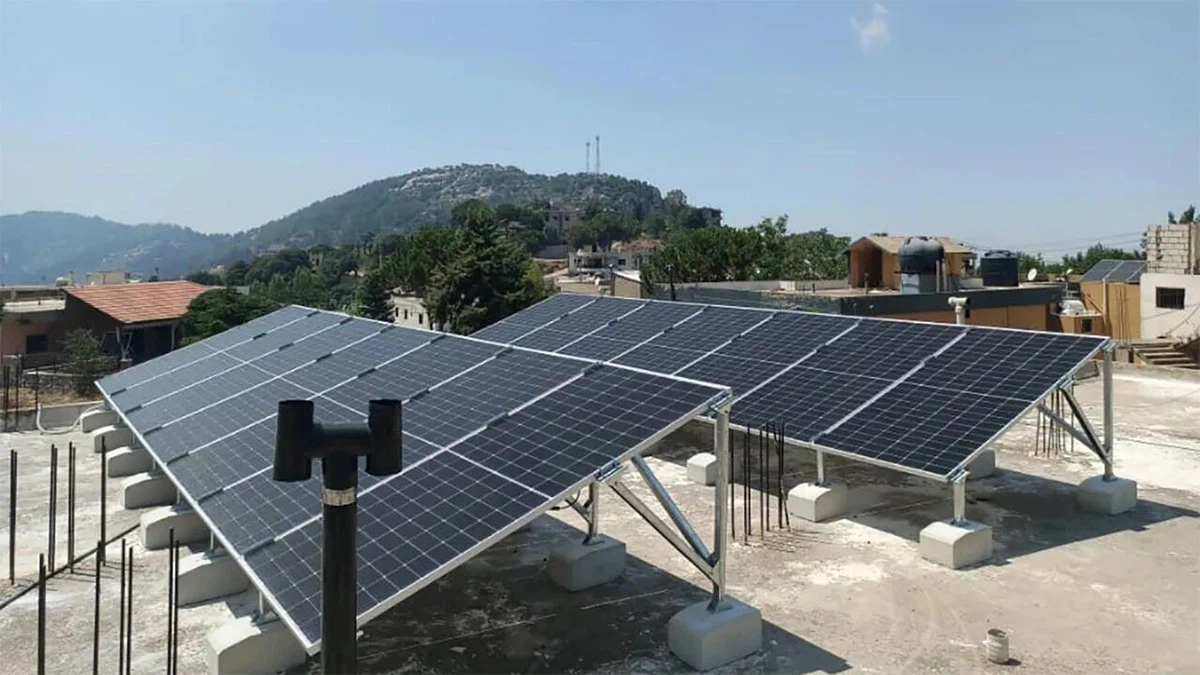
For example, if a household consumes an average of 10 kWh daily, a solar power system with a capacity of 15-20 kWh per day would be sufficient. Assuming the household has an optimal roof area of 50 square meters and the chosen type of solar panel has a conversion rate of 15%, a 4 kW solar power system could be installed. To ensure sufficient battery storage, the capacity of the battery needs to be calculated based on the daily energy demand, the number of peak sun hours, and the number of days with limited sunshine.
Considerations for Solar Power System Capacity Planning
Several factors should be considered when planning solar power systems. The first consideration is the location and positioning of the solar panels. Rooftop orientation and inclination determine the amount of direct sunlight that the solar panel can capture, which is crucial for the efficiency of the system. The location also influences the intensity and duration of sunlight, affecting the system's capacity.
Secondly, the choice of solar panels is important. The efficiency of solar panels is determined by the solar panel's conversion rate. High-efficiency panels are more expensive but generate more electricity with less area required. In contrast, low efficiency panels are cheaper but may need a larger area for the same amount of power produced.
The third consideration is the battery storage capacity. The battery capacity should cover at least the energy demand for one day in the event of a power outage, and the appropriate type of battery should be selected based on the needs and budget.
Lastly, overestimated energy consumption and poor maintenance affect the system's capacity and lifespan. Energy consumption estimates should be realistic, and the system should be maintained regularly, including cleaning the solar panels to ensure maximum light capture and inspecting the battery status.
Maintenance of Solar Power Systems
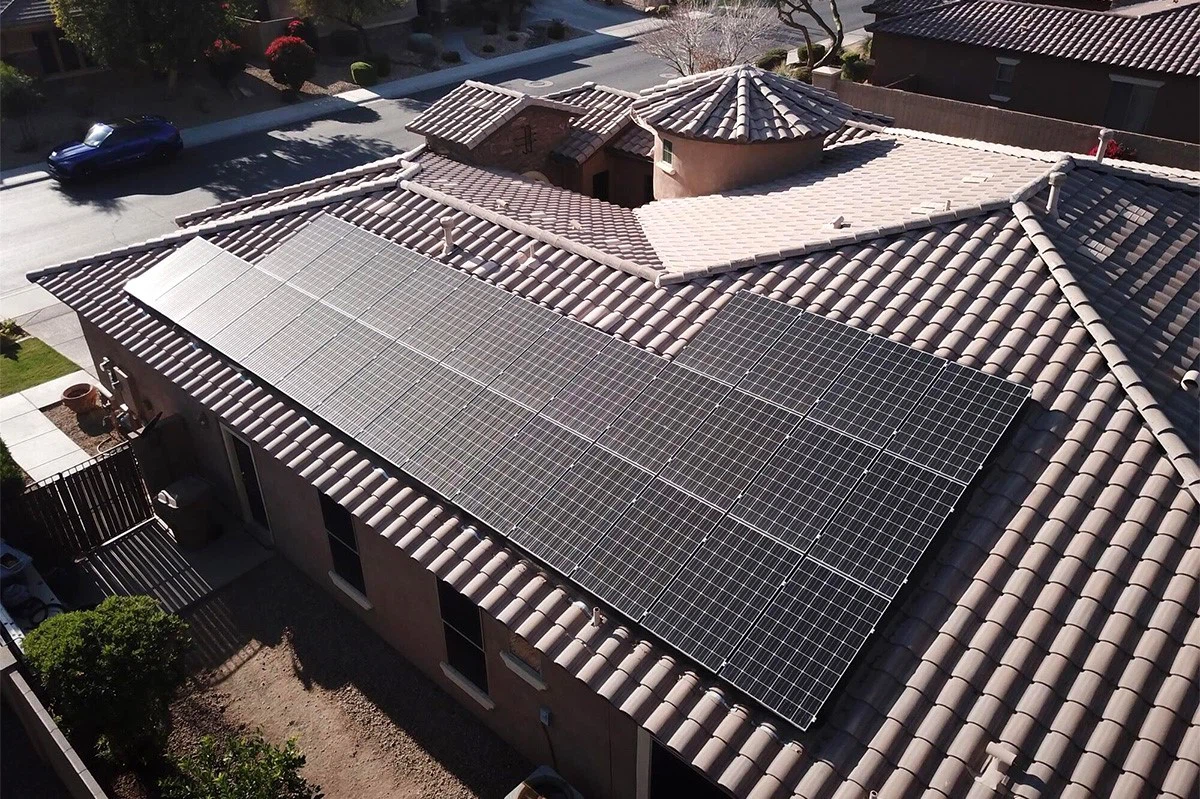
Proper maintenance is critical to ensure the maximum lifespan and capacity of a solar power system. The solar panels should be checked regularly for debris or dirt that may impact light capture ability and clean when necessary with water and soft cloth. Battery life can be prolonged by charging them before they discharge entirely, avoiding overcharging, and ensuring the correct temperature. It is also important to inspect and prevent electric shock in the system wiring and to ensure safety during maintenance.
In conclusion, capacity planning for solar power systems requires careful consideration of energy demands, solar panel size, battery storage capacity, and maintenance requirements. While initial investment and installation costs are high, reducing energy consumption and promoting eco-friendliness demonstrate the long-term benefit of solar energy. With proper capacity planning and maintenance, solar power systems can generate cost-saving electricity and contribute to a sustainable future.