


Distributed Photovoltaic Power Generation: These Places Can "Generate Electricity"!
Walking down city streets, you'll occasionally see neatly arranged rows of dark blue or black panels on rooftops. In rural fields, you might also encounter the gleaming "glass sheets" atop greenhouses-these are all examples of distributed PV power generation systems. Unlike large-scale power plants concentrated in deserts or mountainous areas, these small and beautiful systems are located close to where electricity is consumed, converting sunlight directly into usable electricity. So, where is this flexible power generation method suitable?
Urban "Rooftop Power Stations": From Homes to Shopping Malls
Cities are full of "idle rooftops," and this is the golden opportunity for distributed PV.
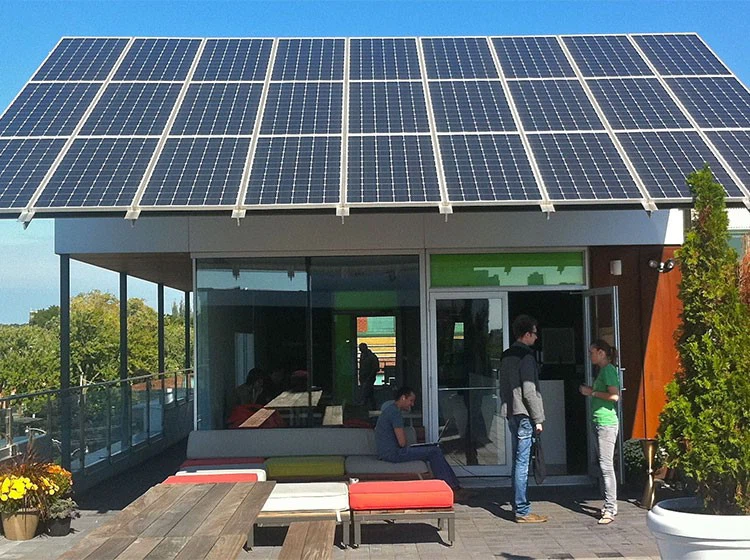
Residential: Your Rooftop Can "Profit"
Whether it's a single-family villa or a terrace or balcony in a high-rise apartment building, as long as there's ample sunlight (3-4 hours per day), a small PV system can be installed. For example, in Germany, over one million households have PV panels on their roofs. They use solar energy to make coffee and run air conditioners during the day, and any unused electricity can be sold to the grid, saving significant monthly electricity bills. In China, many self-built homes in rural areas are also installing "PV roofs." During peak summer electricity demand, the electricity generated by PV can offset the air conditioning's power consumption, eliminating the worry of skyrocketing electricity bills.
Commercial Buildings: The "Green Business Card" of Shopping Malls and Schools
The large, flat roofs of large shopping malls, supermarkets, schools, and hospitals are practically "tailor-made" for distributed PV systems. For example, the Macy's flagship store in New York City, USA, has over 4,000 PV panels installed on its roof, generating 500,000 kilowatt-hours of electricity annually, enough to power the mall's lighting and elevators. An elementary school in Tokyo, Japan, has covered its entire playground roof with PV panels, providing shade, electricity, and a chance to educate students about solar energy-three birds with one stone!
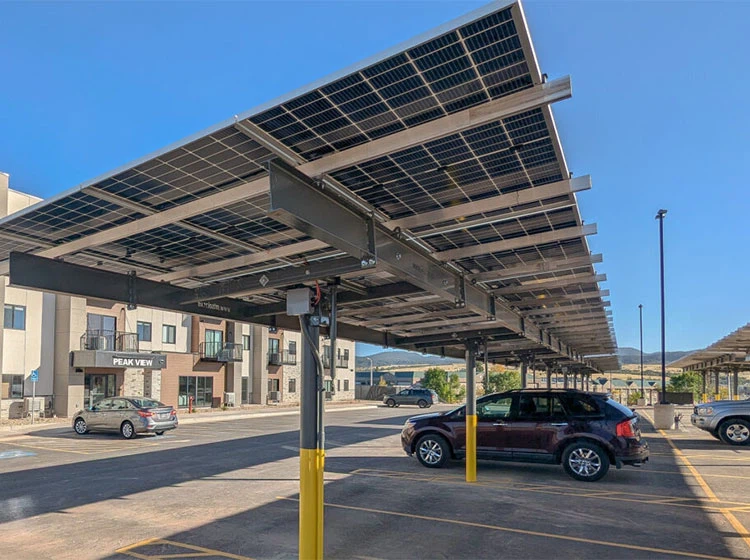
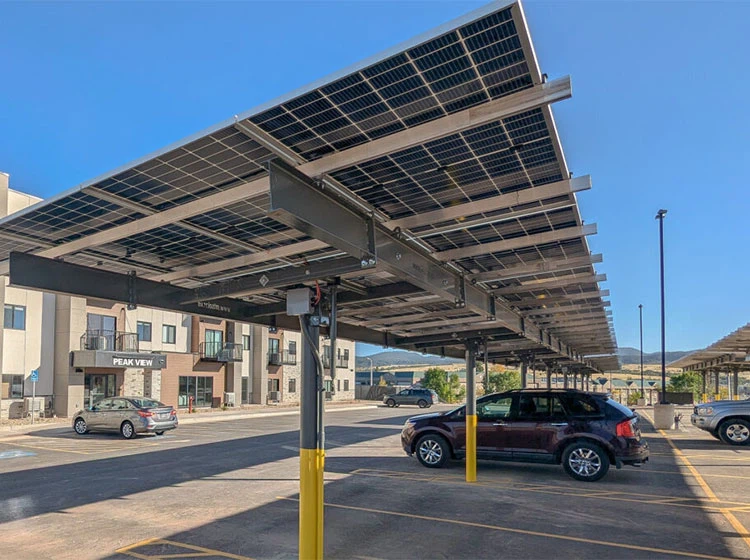
Urban Infrastructure: Parking Lots and Bus Stops Can "Turning Waste into Treasure"
Have you ever seen a parking lot that generates electricity? In Paris, France, the roofs of many open-air parking lots have been converted into PV panels, allowing vehicles to park under the sun while the electricity generated can be used to charge electric vehicles. Even roadside bus stops are equipped with small PV panels to power station lights and USB charging ports, allowing passengers waiting for the bus to charge their phones at any time.
Rural and Village Areas: Solving Electricity Challenges and Supporting Agriculture
In many rural areas, especially those with poor grid coverage, distributed PV systems are a lifesaver and can even be a powerful synergy with agricultural production.
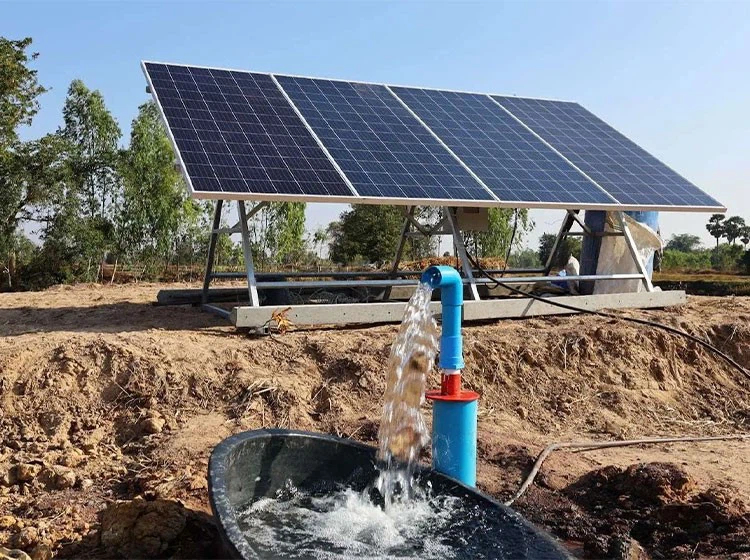
Off-grid Areas: Say Goodbye to Kerosene Lamps, and Use Solar Power
In villages in sub-Saharan Africa and remote mountainous regions of Southeast Asia, many families once relied on kerosene lamps for lighting and had to walk several kilometers to charge their phones. However, a small distributed PV system (paired with energy storage batteries) can meet basic electricity needs: lighting LED lights at night, charging phones and radios, and even driving small water pumps for irrigation. In Kenya, over 500,000 households have achieved electricity independence thanks to off-grid PV systems, allowing children to finally do their homework under the light.
Agri-PV Complementarity: PV Panels and Crops "Grow Together"
In agricultural powerhouses like China and India, the "agri-PV complementarity" model is particularly popular: PV panels are installed above farmland, while shade-tolerant crops (such as vegetables and medicinal herbs) are grown beneath the panels, or fish and shrimp are farmed. The panels block glare, reducing crop evaporation and generating electricity, while the crops cool the panels, improving power generation efficiency. For example, a farm in Jiangsu, China, grows strawberries beneath PV panels, harvesting 200 tons of strawberries annually and generating 120 million kilowatt-hours of electricity, equivalent to saving 40,000 tons of coal – achieving both agricultural and environmental benefits.


Rural Infrastructure: PV Make Life More Convenient
Rural water pumps, irrigation systems, village committee offices, and even rural clinics can be powered by distributed PV. In a village in India, villagers use PV power to power their well pumps, eliminating the need for manual water fetching. At rural clinics in western China, PV systems ensure stable power supply for refrigerators (for storing medicines) and medical equipment, allowing villagers to receive medical treatment right at their doorstep.
Industrial Parks: A Factory's "Energy Saver"
Factories are large electricity consumers, but their rooftops often sit idle. Distributed PV systems can help factories reduce costs and increase efficiency.
Many factories, such as automobile, electronics, and food processing plants, have rooftops covering thousands or even tens of thousands of square meters. Installing PV panels allows the generated electricity to be directly fed into production lines, reducing the cost of buying electricity from the grid. For example, BMW's Munich plant in Germany generates 3 million kilowatt-hours of electricity annually, enough to produce 5,000 vehicles. In Dongguan, China, an electronics factory saves 200,000 yuan in monthly electricity bills thanks to rooftop PV, paying back the installation costs in less than five years.

More importantly, using PV power in factories can also reduce carbon emissions. With the global push for carbon neutrality, factories using PV not only save money but also obtain environmental certifications, making their products more competitive in the international market.
IV. Special Scenarios: Where Power is Needed, It Goes
The flexibility of distributed PV allows it to adapt to many special needs, making it a powerful emergency power generator.

Disaster Relief and Emergency Response: "Life-Saving Power" After Earthquakes and Floods
When disasters like earthquakes and floods disrupt the power grid, distributed PV (combined with energy storage) can quickly provide power. For example, after the 2023 earthquake in Turkey, rescue teams used portable PV panels to power temporary hospitals, keeping ventilators and lighting equipment running. When heavy rains in southern China caused power outages in villages, small PV systems helped villagers maintain basic electricity until the grid was restored.
Remote Areas: "Energy Supplies" for Border Guards and Scientific Research Stations
At Arctic research stations and high-altitude border outposts, where grid coverage is completely unavailable, PV become the primary power source. China's Zhongshan Station in Antarctica uses a combination of PV panels and wind power to meet the scientific expedition team's living and research needs. Norway's Arctic Observatory relies on PV panels to store electricity during the polar day, ensuring normal operation even during the polar night.


Mobile Applications: "Mobile Power Stations" for RVs and Ships
More and more people are traveling in RVs, and many install small PV panels on their roofs to power refrigerators and air conditioners, eliminating the need for external power supplies at gas stations. Some small ships are also using PV panels to supplement power generation, reducing diesel consumption, saving money and protecting the environment.
Why are distributed PV systems so ubiquitous?
The core reason is simple: they don't require large sites and can be installed wherever there's space. They generate electricity directly, reducing transmission losses. They are also flexible to install, adapting to everything from balconies of a few square meters to rooftops of several thousand square meters. Furthermore, technological advances are making PV panels increasingly lightweight and thinner, and their colors can be customized (for example, black or gray, to better match architectural styles). They can even be made into PV tiles or curtain walls, blending seamlessly into buildings.
Whether you live in tropical Thailand or temperate Canada, in a bustling city or a remote village, as long as there's sunlight, distributed PV can help you turn that sunlight into electricity-that's the secret to its global popularity. Perhaps one day, you'll find them on the roof of your home, at the mall you frequent, or even on the roof of the bus you ride!