


Building Solar Power Plants After War Or Disaster?
The world is facing unprecedented challenges in the form of global pandemics, natural disasters, and war. In the aftermath of these crises, it is essential to invest in sustainable and renewable sources of energy such as solar power. This article discusses the significance, importance, and feasibility of establishing solar power plants after war or calamities.
The Significance of Solar Power Plants
Solar power plants can play a critical role in addressing the energy shortages and power crises that often result from wars and natural calamities. Solar energy is an abundant and inexhaustible source of renewable energy that is environmentally friendly and cost-effective. By harnessing the power of the sun, solar energy can provide a reliable source of electricity, especially in areas that lack access to traditional power grids.
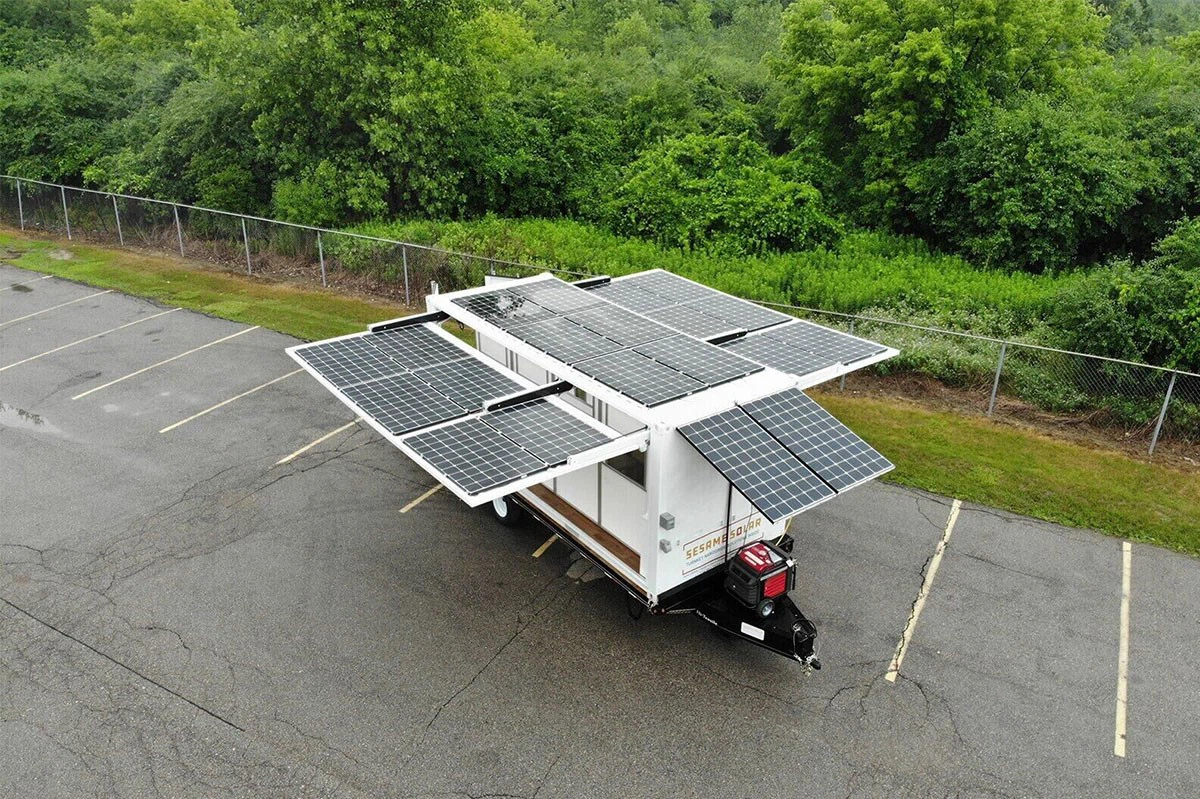
In war-torn countries, solar power plants can help to rebuild the infrastructure and create new jobs. Solar plants can be set up quickly and require minimal maintenance, making them ideal for post-conflict environments. Additionally, because solar power does not rely on oil or gas reserves, it can help to reduce the country's dependence on foreign energy sources, thus enhancing the nation's energy security.
In the aftermath of natural disasters such as earthquakes, hurricanes, and floods, solar power plants can provide a reliable source of energy for emergency services like hospitals, schools, and first responders. Solar power plants can also help people in remote areas who are cut off from power grids as a result of the disaster.
Feasibility and Implementation
Although establishing solar power plants after wars or natural disasters can be challenging, it is not impossible. One of the advantages of solar energy is that it is easy to harness and set up solar panels even in the most challenging terrains. In addition, solar power plants can operate independently of the central power grid, making it possible to generate energy in remote areas.
One of the best examples of the feasibility of establishing solar power plants in the aftermath of war is Afghanistan. After decades of conflict, the country has a low electrification rate, and large parts of the country are still unserved. However, a concerted effort has been made to establish solar power plants in the country, which has already provided electricity to hundreds of thousands of people.
Similarly, following Hurricane Maria, which devastated Puerto Rico in 2017, solar power played a critical role in the island's recovery. The solar-powered microgrids helped to provide electricity to remote areas of the island, ensuring that hospitals, schools, and individuals continued to have access to reliable electricity.
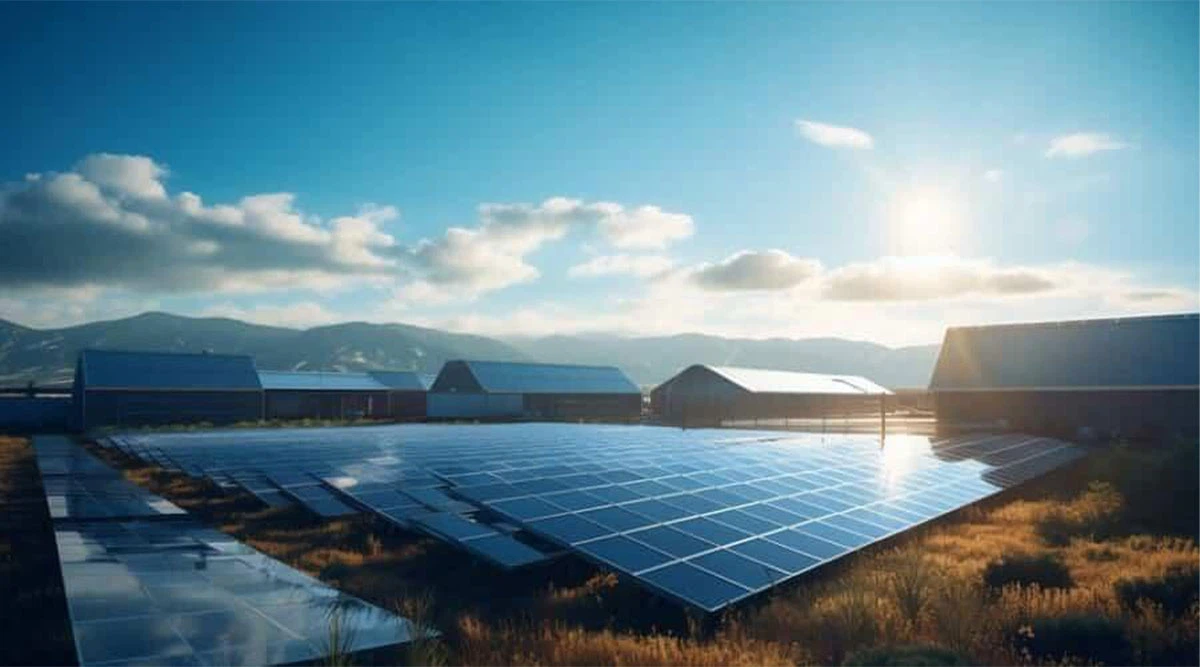
Establishing solar power plants after wars or natural disasters can provide multiple benefits for affected communities. Solar power provides a reliable, environmentally friendly, and cost-effective source of energy that can help rebuild infrastructure, enhance energy security, and create jobs. While challenges exist, solar power can be implemented in challenging environments, as proven by successful case studies in post-conflict zones and disaster-affected areas. Therefore, governments, international organizations, and private companies should consider investing in solar power as a viable way to address energy shortages and promote sustainable development.