

Hey there! I'm an on - grid solar system supplier, and I'm super stoked to walk you through the installation process of an on - grid solar system. It's an exciting journey that can lead to significant savings on your energy bills and a greener planet. So, let's dive right in!
Site Assessment
The first step in installing an on - grid solar system is a thorough site assessment. This is crucial because it helps us figure out if your location is suitable for solar power. We'll look at a few key factors here.

First off, we'll check the orientation of your roof. South - facing roofs are ideal in the Northern Hemisphere because they get the most sunlight throughout the day. But don't worry if your roof doesn't face south; east or west - facing roofs can also work well.
Next, we'll examine the shading. Trees, buildings, or other obstructions that cast shadows on your roof can significantly reduce the efficiency of your solar panels. We'll use special tools to measure the amount of shade at different times of the day and throughout the year. If there's too much shade, we might need to trim some trees or find an alternative location for the panels.
We'll also assess the structural integrity of your roof. Solar panels are heavy, and your roof needs to be able to support their weight. Our team will check for any signs of damage or weakness and make sure that the roof can handle the installation.
System Design
Once we've completed the site assessment, it's time to design the solar system. This involves determining the size of the system based on your energy needs and the available space on your roof.
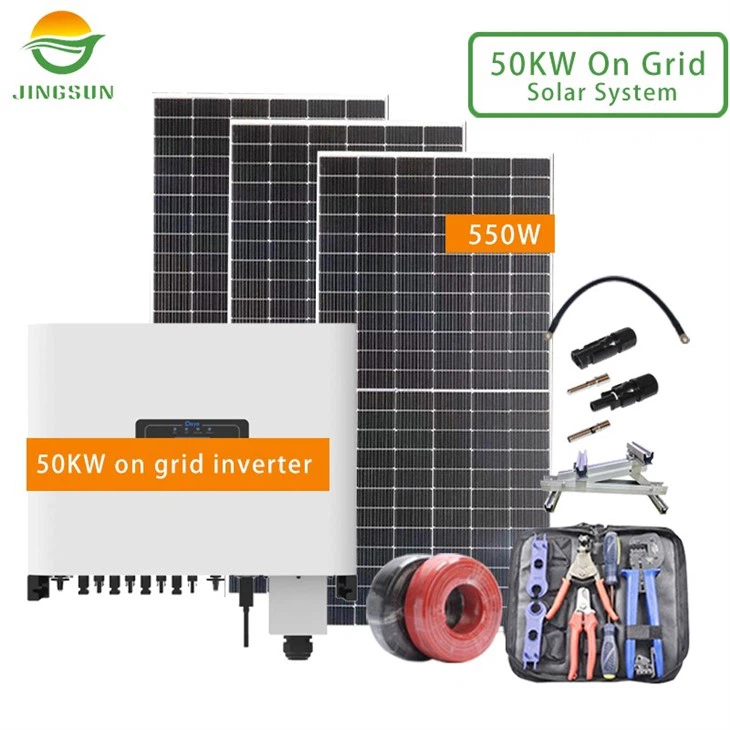
If you're looking for a small - scale system, a 30 KW On Grid Solar System might be a good fit. It's suitable for small homes or businesses with relatively low energy consumption. For larger homes or commercial properties, a 50 KW On Grid Solar System or even a 100KW On Grid Solar System could be more appropriate.
We'll also choose the right type of solar panels and inverters for your system. There are different types of solar panels, such as monocrystalline and polycrystalline. Monocrystalline panels are more efficient but also more expensive, while polycrystalline panels are a more budget - friendly option. The inverter is responsible for converting the DC electricity generated by the solar panels into AC electricity that can be used in your home or business.
Permitting and Approvals
Before we can start the installation, we need to obtain the necessary permits and approvals from your local government. This process can vary depending on where you live, but it usually involves submitting detailed plans of the solar system to the local building department.
We'll handle all the paperwork for you, making sure that everything is in order. This includes getting electrical permits, building permits, and any other approvals required by your local authorities. It's important to follow all the regulations to ensure that your solar system is safe and compliant.
Installation
Once we have all the permits, it's time for the actual installation. The installation process typically takes a few days, depending on the size of the system.
First, our team will install the mounting brackets on your roof. These brackets are used to secure the solar panels in place. We'll make sure that the brackets are properly aligned and securely attached to the roof.
Next, we'll install the solar panels on the mounting brackets. This is a delicate process that requires careful handling to avoid damaging the panels. Our technicians are trained to install the panels quickly and efficiently.
After the panels are installed, we'll connect them to the inverter. The inverter is usually installed in a convenient location, such as a garage or utility room. We'll also connect the inverter to your electrical panel, allowing the electricity generated by the solar panels to be used in your home or business.
Testing and Commissioning
Once the installation is complete, we'll conduct a series of tests to make sure that the solar system is working properly. We'll check the electrical connections, measure the output of the solar panels, and test the inverter.
If everything passes the tests, we'll commission the system. This means that the system is officially up and running, and you can start using solar power to meet your energy needs. We'll also provide you with a detailed manual on how to operate and maintain your solar system.
Monitoring and Maintenance
After the system is commissioned, it's important to monitor its performance regularly. Most modern on - grid solar systems come with monitoring software that allows you to track the energy production of your system in real - time. You can check how much electricity your solar panels are generating, how much you're saving on your energy bills, and if there are any issues with the system.
Maintenance is also crucial to ensure the long - term performance of your solar system. We recommend having your system inspected by a professional at least once a year. This includes cleaning the solar panels, checking the electrical connections, and testing the inverter.
Why Choose Our On - Grid Solar Systems?
As a supplier, we take pride in offering high - quality on - grid solar systems. Our systems are designed to be efficient, reliable, and easy to install. We use only the best solar panels and inverters from reputable manufacturers, ensuring that your system will provide you with clean, renewable energy for many years to come.
We also offer excellent customer service. Our team of experts is always available to answer your questions and provide you with support throughout the installation process and beyond. We'll work closely with you to design a system that meets your specific needs and budget.
If you're interested in learning more about our on - grid solar systems or getting a quote, don't hesitate to reach out. We're here to help you make the switch to solar power and start enjoying the benefits of clean energy.
Conclusion
Installing an on - grid solar system is a great way to reduce your energy costs, lower your carbon footprint, and increase the value of your property. By following the steps outlined in this blog post, you can ensure a smooth and successful installation process.
If you're ready to take the next step and start your solar journey, contact us today. We'll be happy to discuss your options and help you find the perfect on - grid solar system for your needs.
References
- Solar Energy Industries Association (SEIA). Best practices for solar system installation.
- International Renewable Energy Agency (IRENA). Guidelines for grid - connected solar PV systems.