

Hey there! I'm super stoked to share my insights with you on how to pick the right size of an on-grid solar system. As a supplier in this industry, I've seen firsthand how crucial it is to make the right choice. So, let's dive right in!

Why Size Matters
First off, getting the size of your on-grid solar system nailed down is essential. It directly impacts how much electricity you can generate, which in turn affects your energy bills and overall savings. A system that's too small won't meet your energy needs, and you'll still be relying heavily on the grid. On the flip side, an oversized system means you're spending more money upfront without getting much extra benefit.
Assessing Your Energy Needs
The first step in choosing the right size is to figure out how much electricity you use. You can do this by looking at your past electricity bills. Most utility companies provide a breakdown of your energy consumption over a year. Take a close look at your average monthly and yearly usage.
For example, if you're a small household with just one or two people, your energy needs will be much lower compared to a large family or a commercial establishment. A household that uses lots of high-power appliances like electric heaters, air conditioners, and large refrigerators will also need a bigger system.
Let's say you find out that your household uses about 1,000 kWh of electricity per month. This is a good starting point for sizing your solar system.
Sunlight Availability
Sunlight is the fuel for your solar system, so the amount of sunlight your location gets is a big factor. Areas closer to the equator generally get more sunlight throughout the year compared to regions further north or south.
You can use online solar maps or tools to estimate the average sunlight hours in your area. For instance, if you live in a sunny area like Arizona in the US, you'll get more sunlight hours than someone living in Seattle. This means that for the same energy needs, you might be able to get away with a smaller solar system in Arizona because the panels will generate more electricity per hour of sunlight.
System Efficiency
The efficiency of the solar panels and inverters in your system also plays a role in sizing. High - efficiency panels can generate more electricity from the same amount of sunlight compared to lower - efficiency ones. When you're looking at different systems, pay attention to the efficiency ratings.
Most modern solar panels have an efficiency rating between 15% and 22%. If you choose a system with higher - efficiency panels, you'll need fewer panels to generate the same amount of electricity. This can save you space on your roof and potentially reduce the overall cost of the system.
Different Sizes and Their Uses
Let's take a look at some common sizes of on - grid solar systems and where they're best used.
- Small Systems (up to 5 KW)
- These are perfect for small homes or cabins with low energy consumption. They can power basic appliances like lights, a small refrigerator, and a TV. If you're looking to offset a small portion of your electricity bill or have a small off - grid setup in addition to being connected to the grid, a small system might be the way to go.
- Medium Systems (5 - 20 KW)
- For medium - sized homes with a family of 3 - 5 people, a medium - sized system is a great fit. These systems can handle the energy needs of most household appliances, including air conditioners and washing machines. They can also start to make a significant dent in your electricity bill.
- Large Systems (20 KW and above)
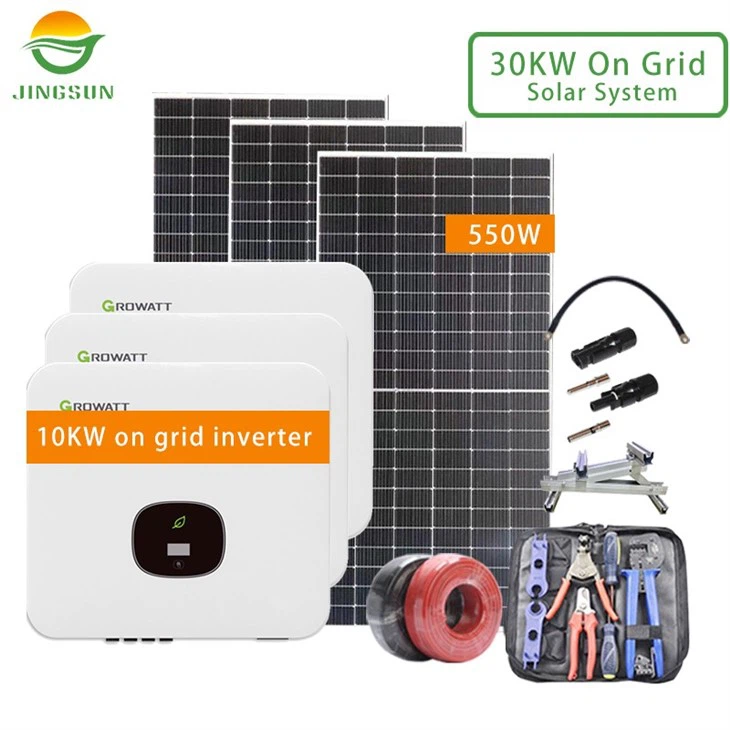
- Commercial buildings, large factories, or big residential complexes need large - scale on - grid solar systems. These systems can generate enough electricity to power multiple high - energy appliances and equipment. For example, a 30 KW On Grid Solar System is suitable for a medium - sized commercial establishment like a small office building or a retail store. A 100KW On Grid Solar System can power a large factory or a big shopping mall.
Three - Phase Systems
If you're dealing with a commercial or industrial setup, you might need a three - phase system. A 10KW On Grid Solar System 3phase is designed to handle the higher power demands of three - phase electrical systems. These are commonly used in factories, large offices, and some high - end residential buildings. Three - phase systems are more efficient at distributing power and can handle larger loads compared to single - phase systems.
Budget Considerations
Of course, your budget is a major factor when choosing the size of your on - grid solar system. Larger systems generally cost more upfront, but they also have the potential to save you more money in the long run. You need to find a balance between your energy needs, the size of the system, and how much you're willing to spend.
Some utility companies offer incentives or rebates for installing solar systems. These can help offset the cost of the system and make it more affordable. Make sure to research the incentives available in your area before making a decision.
Making the Final Decision
Once you've considered all the factors above, it's time to make a decision. You can consult with a professional solar installer or supplier (like me!) to get a more accurate assessment. We can take into account all the details of your situation and recommend the best size for you.
Remember, choosing the right size of an on - grid solar system is an investment in your future. It can help you save money on energy bills, reduce your carbon footprint, and increase the value of your property.
If you're interested in learning more or are ready to start the process of purchasing an on - grid solar system, don't hesitate to reach out. We're here to help you every step of the way, from choosing the right size to installation and maintenance. Let's start this journey towards a more sustainable and cost - effective energy future together!
References
- International Renewable Energy Agency (IRENA) - Solar Power Generation Reports
- US Energy Information Administration (EIA) - Residential and Commercial Energy Consumption Data