

As an on-grid solar system supplier, I often get asked, "Can an on-grid solar system save me money on electricity bills?" The short answer is yes, but let's dive deeper into the details.
First off, let's understand what an on-grid solar system is. An on-grid solar system, also known as a grid-tied solar system, is connected to the local electrical grid. It consists of solar panels that convert sunlight into electricity, an inverter that changes the direct current (DC) produced by the panels into alternating current (AC) for use in your home or business, and a connection to the grid. When your solar panels produce more electricity than you need, the excess is sent back to the grid, and you may receive credits on your electricity bill through a process called net metering.

So, how does an on-grid solar system save you money? Well, the most obvious way is by reducing your reliance on the grid. When your solar panels are generating electricity during the day, you can use that power instead of drawing from the grid. This means you're using less electricity from your utility company, which directly translates to lower electricity bills.
Let's say you have a small business that uses a decent amount of electricity during the day. With an on-grid solar system, you can harness the power of the sun to meet a significant portion of your energy needs. During sunny days, your solar panels will be cranking out electricity, and you'll be using that clean, free energy to run your lights, computers, and other equipment. As a result, your electricity consumption from the grid will go down, and your monthly bills will follow suit.
Another way an on-grid solar system can save you money is through net metering. As I mentioned earlier, when your solar panels produce more electricity than you use, the excess is fed back into the grid. In many areas, your utility company will give you credits for this excess electricity. These credits can then be used to offset your electricity usage during times when your solar panels aren't producing enough power, like at night or during cloudy days. It's like having a virtual battery in the grid, and it can significantly reduce your overall electricity costs.
Now, let's talk about the different sizes of on-grid solar systems available. For smaller homes or businesses with relatively low electricity consumption, a 10KW On Grid Solar System 3phase [/solar-system/on-grid-solar-system/10kw-on-grid-solar-system-3phase.html] might be a good fit. This system can generate a decent amount of electricity, enough to power essential appliances and reduce your grid usage.
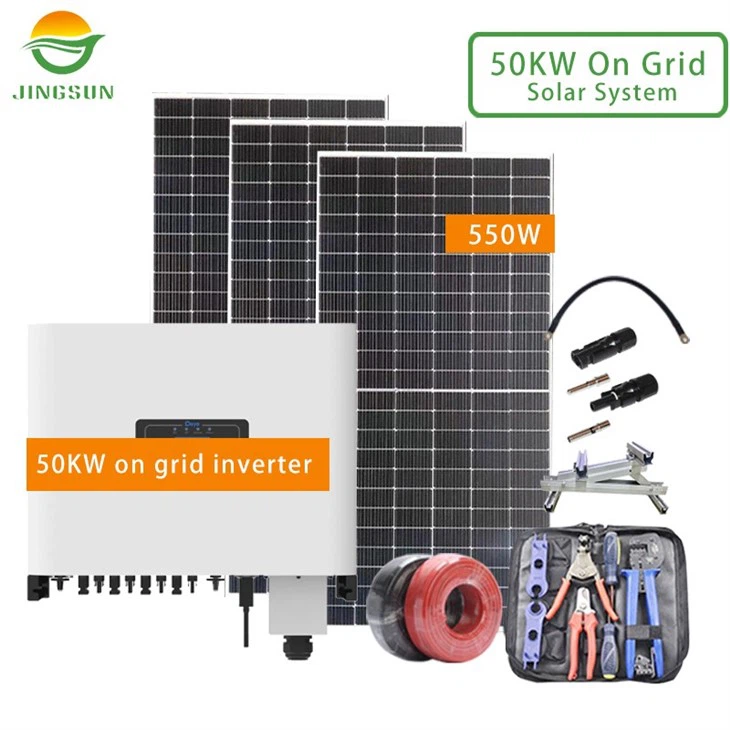
If you have a larger home or a medium-sized business with higher energy needs, a 50 KW On Grid Solar System [/solar-system/on-grid-solar-system/50-kw-on-grid-solar-system.html] could be more suitable. This larger system can produce more electricity, allowing you to meet a greater portion of your energy demands and potentially save even more on your electricity bills.
For commercial properties or large industrial facilities with substantial electricity consumption, a 100KW On Grid Solar System [/solar-system/on-grid-solar-system/100kw-on-grid-solar-system.html] might be the way to go. These high-capacity systems can generate a significant amount of power, reducing your reliance on the grid and leading to substantial savings over time.
Of course, the amount of money you can save with an on-grid solar system depends on several factors. The size of the system is a crucial factor, as a larger system will generally produce more electricity and save you more money. The location of your property also plays a role, as areas with more sunlight will naturally generate more solar power. Your electricity usage patterns are another important consideration. If you use a lot of electricity during the day when the sun is shining, you'll be able to take full advantage of the solar power generated by your system.
It's also important to consider the upfront cost of installing an on-grid solar system. While the long-term savings can be significant, the initial investment can be substantial. However, there are often incentives available from the government or utility companies to help offset the cost. These incentives can include tax credits, rebates, and low-interest loans, making it more affordable to go solar.
In addition to saving money on electricity bills, there are other benefits to installing an on-grid solar system. Solar power is a clean, renewable energy source that produces no greenhouse gas emissions. By using solar energy, you're helping to reduce your carbon footprint and contribute to a more sustainable future. Solar panels also have a long lifespan, typically lasting 25 years or more, which means you'll be enjoying the benefits of solar power for decades to come.
So, if you're thinking about installing an on-grid solar system to save money on your electricity bills, I encourage you to do your research. Look into the different system sizes available and determine which one is right for your needs. Consider the incentives and financing options available in your area. And most importantly, reach out to a reputable on-grid solar system supplier, like me, to get a professional assessment and quote.
At the end of the day, an on-grid solar system can be a great investment that pays off in the long run. Not only will it save you money on your electricity bills, but it will also help you do your part for the environment. If you're interested in learning more about our on-grid solar systems or getting a quote, don't hesitate to reach out. Let's start talking about how we can help you save money and go solar.
References
- "Solar Power Basics." EnergySage.
- "Net Metering: How It Works and Why It Matters." SolarReviews.
- "The Benefits of On-Grid Solar Systems." SolarPowerWorld.