

Hey there! I'm a supplier of high voltage cabinet batteries designed specifically for commercial peak shaving. And let me tell you, making sure these batteries can perform at their best is super important. In this blog, I'm gonna share how to test the performance of these high - voltage cabinet batteries for commercial peak shaving.
First things first, understanding the basics. Commercial peak shaving involves using batteries to store energy during off - peak hours and then releasing it during peak demand periods. This helps businesses save on electricity costs and reduces the strain on the grid. A high voltage cabinet battery is a key player in this game, and we need to ensure it can handle the job.
Capacity Testing
The capacity of a battery refers to the amount of energy it can store and deliver. It's like the size of a fuel tank in a car; the bigger the tank, the farther you can go. To test the capacity of a high - voltage cabinet battery, we usually use a constant - current discharge method.
We connect the battery to a load that draws a specific and constant current. For example, if we're testing a 10KWH Lithium Battery, we'll set the load to draw a current that's appropriate for the battery's specifications. Then we let the battery discharge until it reaches its cut - off voltage.
During the discharge process, we keep a close eye on how long it takes for the battery to reach the cut - off voltage. By multiplying the discharge current by the discharge time, we can calculate the actual capacity of the battery. If the calculated capacity is close to the rated capacity of the battery, it means the battery is performing well in terms of energy storage.
Voltage Testing
Voltage is another crucial factor. It's like the pressure in a water pipe; if the pressure is too high or too low, things won't work properly. For high - voltage cabinet batteries, we need to test both the open - circuit voltage and the voltage under load.
The open - circuit voltage is the voltage of the battery when it's not connected to any load. We can use a high - precision voltmeter to measure this. A healthy battery should have an open - circuit voltage within a certain range specified by the manufacturer.
When the battery is under load, the voltage will drop. We need to measure this voltage drop to see how well the battery can maintain its power output. For instance, if we have a 48V 50AH Lithium Ion Battery and we connect it to a load, we expect the voltage to drop within a reasonable limit. If the voltage drops too much, it could indicate problems like internal resistance issues or a weakening battery.
Internal Resistance Testing
Internal resistance is like the friction inside a machine. The higher the internal resistance, the more energy is wasted as heat, and the less efficient the battery becomes. There are a few ways to test the internal resistance of a high - voltage cabinet battery.
One common method is the AC impedance method. We apply a small AC signal to the battery and measure the response. By analyzing the relationship between the applied voltage and the resulting current, we can calculate the internal resistance. Another simple way is to measure the voltage drop across the battery when a known current is suddenly applied or removed.
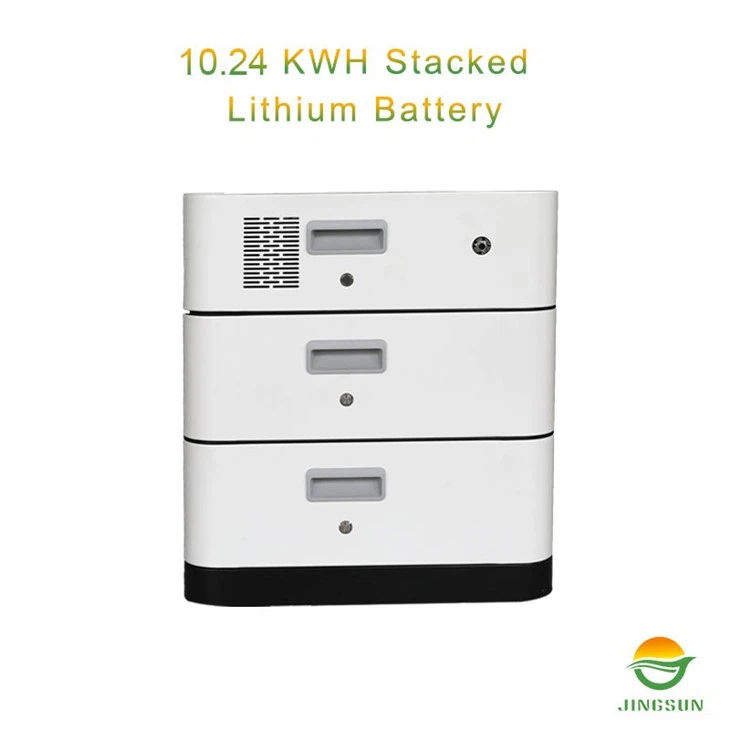
A low internal resistance is a good sign. It means the battery can deliver power more efficiently. For example, in a 10.24 KWH Lithium Battery, a low internal resistance ensures that more energy is available for commercial peak shaving applications.
Temperature Testing
Temperature can have a big impact on battery performance. Batteries generate heat during charging and discharging, and if the temperature gets too high, it can damage the battery and reduce its lifespan.
We use temperature sensors to monitor the temperature of the battery during testing. Some high - end testing equipment can even create a temperature map of the battery, showing where the hottest and coldest spots are.
For a well - performing high - voltage cabinet battery, we expect the temperature to stay within a safe range. If the temperature rises rapidly during charging or discharging, it could be a sign of over - stress or a problem with the battery's heat dissipation system. For example, Rack Lithium Battery installations usually have proper ventilation and cooling systems to keep the temperature in check.
Cycle Life Testing
Cycle life refers to the number of charge - discharge cycles a battery can go through before its capacity drops to a certain level. In commercial peak shaving applications, batteries are constantly being charged and discharged, so a long cycle life is essential.
To test the cycle life of a high - voltage cabinet battery, we simulate real - world usage conditions. We charge the battery to a specified state of charge, then discharge it to a certain cut - off point. And we repeat this process over and over again.

During the cycle life test, we keep track of the battery's capacity and performance over time. For example, a 307V 280AH 86kWh Energy Storage system might be expected to go through thousands of cycles before its capacity drops below 80% of the original.
Self - Discharge Testing
Self - discharge is the phenomenon where a battery loses its charge even when it's not connected to a load. This can be a problem, especially for batteries used in commercial peak shaving, where energy needs to be stored for later use.
To test self - discharge, we fully charge the battery and then leave it in a controlled environment for a certain period. After that, we measure the remaining charge. A low self - discharge rate is desirable, as it means the battery can hold its charge for longer.
Balancing Testing
In high - voltage cabinet battery packs, multiple cells are connected in series and parallel. Battery balancing ensures that all the cells in the pack have similar voltages and states of charge.
We use a battery management system (BMS) to monitor and balance the cells. During testing, we check if the BMS is functioning properly. If the cells are not balanced, some cells may over - charge or over - discharge, which can shorten the battery pack's lifespan and reduce its performance.
So there you have it, folks! These are the main ways to test the performance of a high - voltage cabinet battery for commercial peak shaving. If you're in the market for reliable high - voltage cabinet batteries for your commercial peak - shaving needs, don't hesitate to reach out. We can provide you with top - quality products and detailed performance testing reports. Whether it's a small - scale commercial project or a large - scale industrial application, we've got you covered.
Reference
- Battery Performance Testing Standards and Guidelines. (Year). By [Author or Organization].
- Principles of High - Voltage Battery Systems for Energy Storage. (Year). By [Author or Organization].