

How to Test the Performance of 850W N - type TOPCon Bifacial Double Glass PV Module after Installation
As a supplier of 850W N-type TOPCon Bifacial Double Glass PV modules, I understand the importance of ensuring that these high - performance solar panels operate optimally after installation. In this blog, I will share some practical methods and key points to test the performance of these PV modules post - installation.
I. Initial Visual Inspection
Before conducting any technical performance tests, a thorough visual inspection is necessary. This step helps to identify any obvious physical damages that may affect the module's performance.
-
Surface Inspection
Examine the front and back glasses of the PV module. Look for cracks, scratches, or any signs of delamination. Even minor scratches on the glass can reduce light transmission and thus lower the power output. For 850W N - type TOPCon Bifacial Double Glass PV modules, the double - glass design offers better durability, but it is still vulnerable to physical impacts during transportation and installation. -
Frame and Mounting Inspection
Check the module's frame for any deformation or loose parts. The frame should be firmly attached to the mounting structure. Ensure that all the mounting brackets and fasteners are tightened properly. Loose or damaged frames can cause the module to tilt or move, which may lead to uneven sunlight exposure and reduced performance. -
Junction Box and Wiring Inspection
Inspect the junction box for any signs of overheating, such as discoloration or melting. Check the wiring connections inside the junction box to make sure they are secure and free of corrosion. Loose or corroded connections can cause high resistance, leading to power losses and potential safety hazards.
II. Electrical Performance Testing
-
Open - Circuit Voltage and Short - Circuit Current Measurement
Using a solar module tester, measure the open - circuit voltage (Voc) and short - circuit current (Isc) of the PV module. The open - circuit voltage is the voltage across the module terminals when there is no load connected, and the short - circuit current is the current flowing through the module when the terminals are short - circuited. These two parameters are important indicators of the module's basic electrical performance.
The measured values of Voc and Isc should be within the acceptable range specified by the manufacturer. Deviations from the standard values may indicate problems such as internal cell damage, soiling, or incorrect wiring. -
Maximum Power Point Tracking (MPPT) Testing
The MPPT function is crucial for maximizing the power output of PV modules. Use a solar charge controller or an MPPT tester to determine if the module can reach its maximum power point (Pmax) under different irradiance and temperature conditions.
Under ideal conditions, the PV module should be able to operate at its Pmax for a significant period. If the MPPT fails to track the maximum power point accurately, it may be due to issues with the charge controller or problems within the module itself, such as cell mismatches. -
I - V Curve Tracing
I - V curve tracing is a comprehensive method for evaluating the performance of PV modules. It measures the current - voltage characteristics of the module under different irradiance and temperature levels and plots the I - V curve.
The shape of the I - V curve can reveal a lot about the module's performance. For example, a distorted I - V curve may indicate problems such as shading, cell degradation, or electrical faults. By comparing the measured I - V curve with the reference curve provided by the manufacturer, we can accurately assess the module's performance.
III. Bifacial Performance Testing
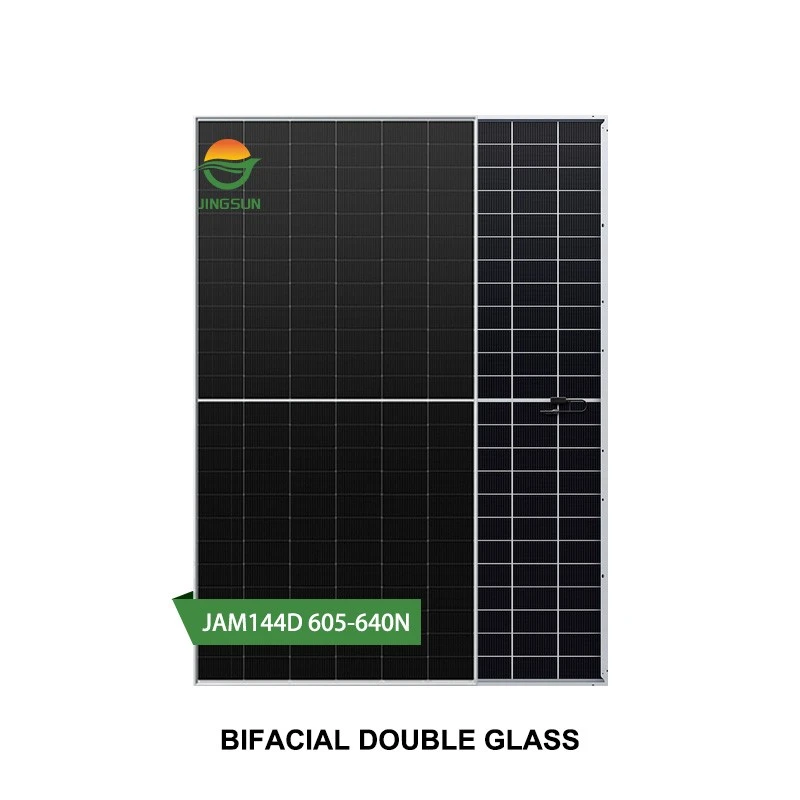
One of the key features of 850W N - type TOPCon Bifacial Double Glass PV modules is their bifaciality, which allows them to generate electricity from both the front and back sides. Therefore, testing the bifacial performance is essential.
-
Rear - Side Irradiance Measurement
Use a pyranometer or a similar device to measure the irradiance on the rear side of the PV module. The rear - side irradiance is affected by factors such as the ground reflectivity, the tilt angle of the module, and the surrounding environment.
By measuring the rear - side irradiance and comparing it with the front - side irradiance, we can calculate the bifacial gain. The bifacial gain is an important parameter that reflects the additional power generated from the rear side of the module.
-
Bifacial Power Output Measurement
To accurately measure the bifacial power output, we need to measure the total power generated by the module, including both the front and rear sides. This can be done by using a power meter connected to the module.
Compare the measured bifacial power output with the theoretical value calculated based on the front - side power output and the bifacial gain. Any significant deviation may indicate problems with the rear - side light collection or internal electrical connections.
IV. Temperature and Irradiance Monitoring
Temperature and irradiance are two important environmental factors that affect the performance of PV modules.
-
Temperature Monitoring
Install temperature sensors on the PV module to monitor its temperature during operation. High temperatures can reduce the efficiency of PV modules. The power output of PV modules generally decreases with increasing temperature.
By monitoring the temperature, we can analyze the temperature coefficient of the module and take appropriate measures to improve its performance, such as improving ventilation or using cooling systems. -
Irradiance Monitoring
Use a pyranometer to continuously measure the irradiance at the installation site. Irradiance is the key factor that determines the power output of PV modules. By comparing the measured irradiance with the power output of the module, we can evaluate the module's performance under different irradiance conditions.
V. Long - Term Performance Monitoring
In addition to the initial performance testing, long - term performance monitoring is also necessary to ensure the long - term reliability and efficiency of 850W N - type TOPCon Bifacial Double Glass PV modules.
-
Data Logging
Set up a data logging system to record various parameters such as power output, temperature, irradiance, and voltage over a long period. Analyze the logged data regularly to detect any trends or anomalies in the module's performance. -
Performance Degradation Analysis
Over time, PV modules will experience performance degradation due to factors such as aging, environmental stress, and soiling. By comparing the long - term performance data with the initial performance data, we can calculate the degradation rate of the module.
If the degradation rate exceeds the acceptable range, it may be necessary to take corrective actions such as cleaning the module, replacing damaged components, or adjusting the system configuration.
VI. Conclusion
Testing the performance of 850W N - type TOPCon Bifacial Double Glass PV modules after installation is a comprehensive process that involves multiple aspects, including visual inspection, electrical performance testing, bifacial performance testing, temperature and irradiance monitoring, and long - term performance monitoring.
As a supplier of these high - performance PV modules, we are committed to providing our customers with high - quality products and professional technical support. If you are interested in our Solar Panel All Black, Solar Panel Double Glass, 400W All Black Solar Panels, 640W N - Type Solar Panel, or Solar Panel 670 Watt, or if you have any questions about PV module performance testing, please feel free to contact us for further discussions and potential procurement.
References
- Duffie, J. A., & Beckman, W. A. (2013). Solar Engineering of Thermal Processes. John Wiley & Sons.
- Green, M. A., Emery, K., Hishikawa, Y., Warta, W., & Dunlop, E. D. (2014). Solar cell efficiency tables (version 42). Progress in Photovoltaics: Research and Applications, 22(1), 1 - 9.